Do Zoos Help Conservation? Research, Ethics, and Careers
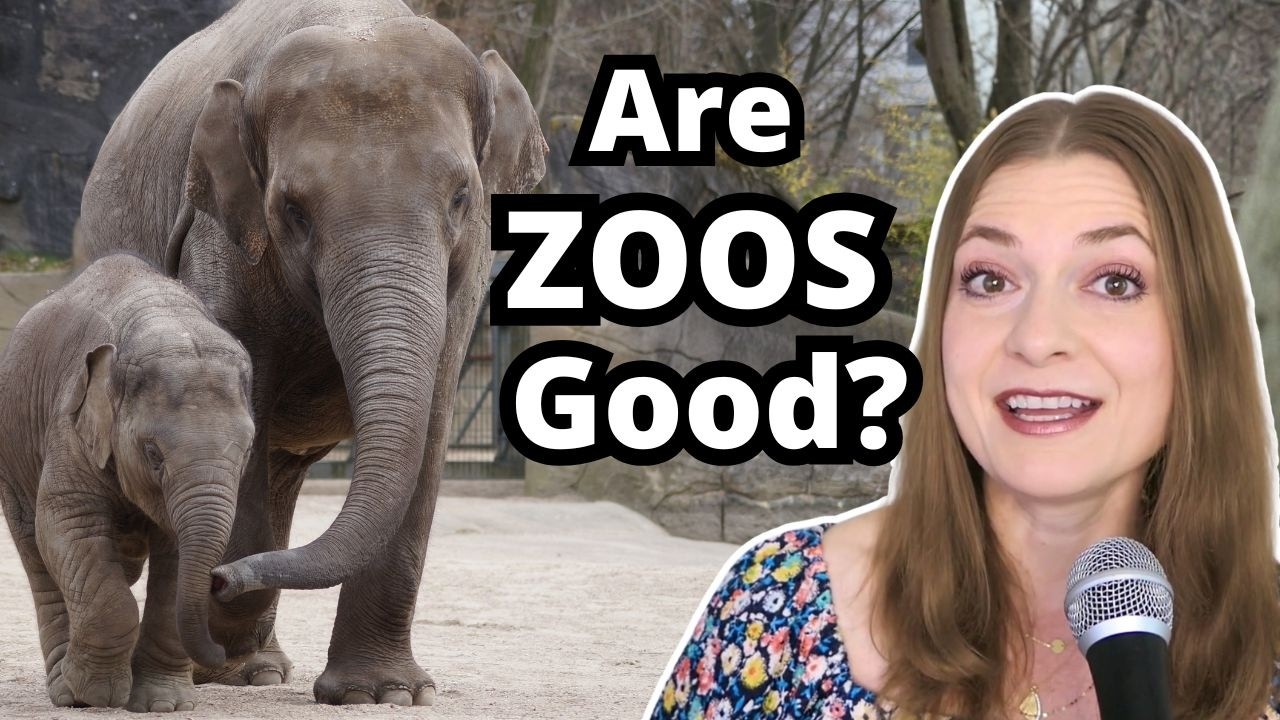
Do zoos actually help conservation? Contribute to wildlife research? Or are they mostly to entertain people?
A couple of years ago, I did a podcast interview all about zoos, and I thought this would be a great topic for my own podcast due to the complexity. It’s not a straightforward answer…
Listen to Do Zoos Help Conservation? Research, Ethics, and Careers
https://stephanieschuttler.com/fancy-scientist-podcast-156-zoos/
In fact, during the pandemic, when we were all watching The Tiger King, I did a whole blog post series on the ethics and research impacts of zoos, and these are still some of my most popular posts!
Zoos were originally built purely for entertainment and were the only way most people could see an exotic animal. Placed in cement cages or concrete pits, animals were there to fascinate, but at the expense of their well-being.
But as scientists and the public have learned more about animals, some zoos began to change. There are now high-quality institutions running genuine conservation science, captive breeding programs, and research on wild animal populations.
But unfortunately, not all zoos have stepped up. There are still dilapidated roadside attractions where animals are locked in cement cages, might be forced to do unnatural and harmful tricks, or be bred to have a constant supply of babies for tourists to pose with for photos, and with nowhere to go once they get older.
These zoos might do things that they call research, but really, this is a form of greenwashing so that they can use these small projects to justify their money-making operations from animals.
On the flip side, I talk about how zoos genuinely contribute to conservation. For example, conducting real research on animals outside of their zoo population, providing genetic safety nets, and captive breeding animals like the black-footed ferret and golden lion tamarin from the brink of extinction.
In this episode of the Fancy Scientist podcast, I’m going to walk you through zoos so that you can understand these differences, as well as offer some guidelines so that you can make an informed decision for yourself. I break down what separates a good zoo from a bad one, and the gray areas in between.
I also address the harder question of whether zoos change people’s minds. Many claim that zoos educate the public about wildlife, but just because they present information doesn’t mean that people take it in or take conservation actions…Those are much harder to change. I talk about a meta-analysis of 56 studies on visitor attitudes after zoo visits, plus how zoos like Cheyenne Mountain Zoo are trying to close the gap between education and action with things like their sustainable palm oil initiative.
And because this podcast is always about helping you build a wildlife career, I offer an overview of the different kinds of roles that you can obtain for employment, as well as my own behind-the-scenes experience, where I monitored elephant pregnancy hormones and worked on reproductive research for cotton-top tamarins.
You’ll get a rundown of the career paths zoos actually offer: zookeeping, education, communications, research, and creative roles like videography, plus wildlife-adjacent jobs in finance, fundraising, and law. I also explain what kinds of zoo work won’t help your wildlife career, no matter how much hands-on animal experience it seems to offer.
Specifically, we talk about:
- The history of zoos, and how they evolved from pure entertainment into institutions that can contribute to research, education, and conservation
- The clear signs that separate an ethical zoo from an unethical one including enrichment, keeper barriers, and whether the public is allowed to touch wild animals
- Why Tiger King-style roadside zoos like Myrtle Beach Safari don’t count as real conservation work, and how to spot greenwashing when a zoo claims to “support conservation”
- Why zoo populations serve as a safety net for species with critically small wild populations
- Real conservation success stories through captive breeding, including golden lion tamarins and black-footed ferrets
- The behind-the-scenes research zoos do that visitors never see, including my own experience monitoring elephant hormones as a Disney’s Animal Kingdom intern
- Whether zoos actually succeed at changing visitor attitudes and behavior toward conservation, and what the research says
- The strongest arguments against zoos
- An overview of wildlife career paths at zoos: zookeeping, education, communications, research, creative and media roles, and wildlife-adjacent careers like finance, fundraising, and law
- And MORE!
Listen to the whole episode here:
https://stephanieschuttler.com/fancy-scientist-podcast-156-zoos/

Wildlife biologist 🐘 Mentor 👩🎓 Your Biggest Career Cheerleader 📣 Communicator 👥 | Showing animal lovers how to get their dream job✨ | Connecting people with nature for conservation 🌿 and community 🏙️