When A Degree Is Not Enough: Conservation Career Advice From A Turtle Biologist Dr. Brian Horne
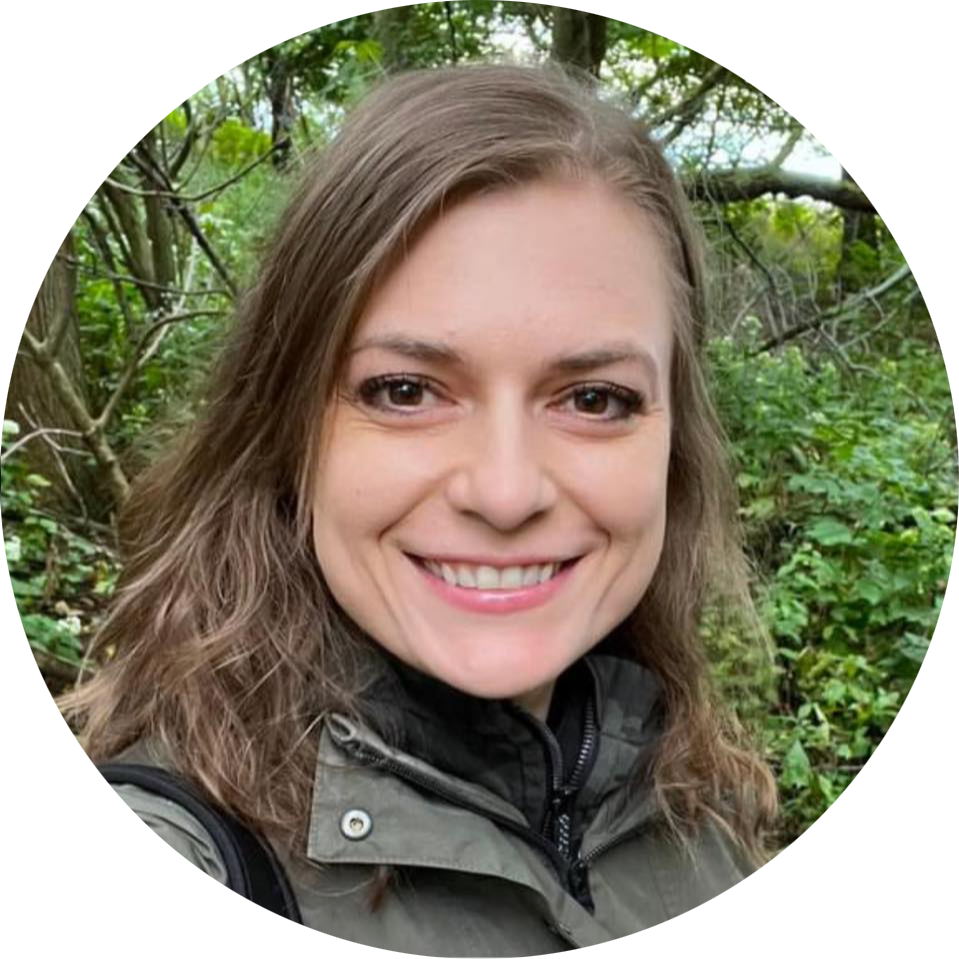
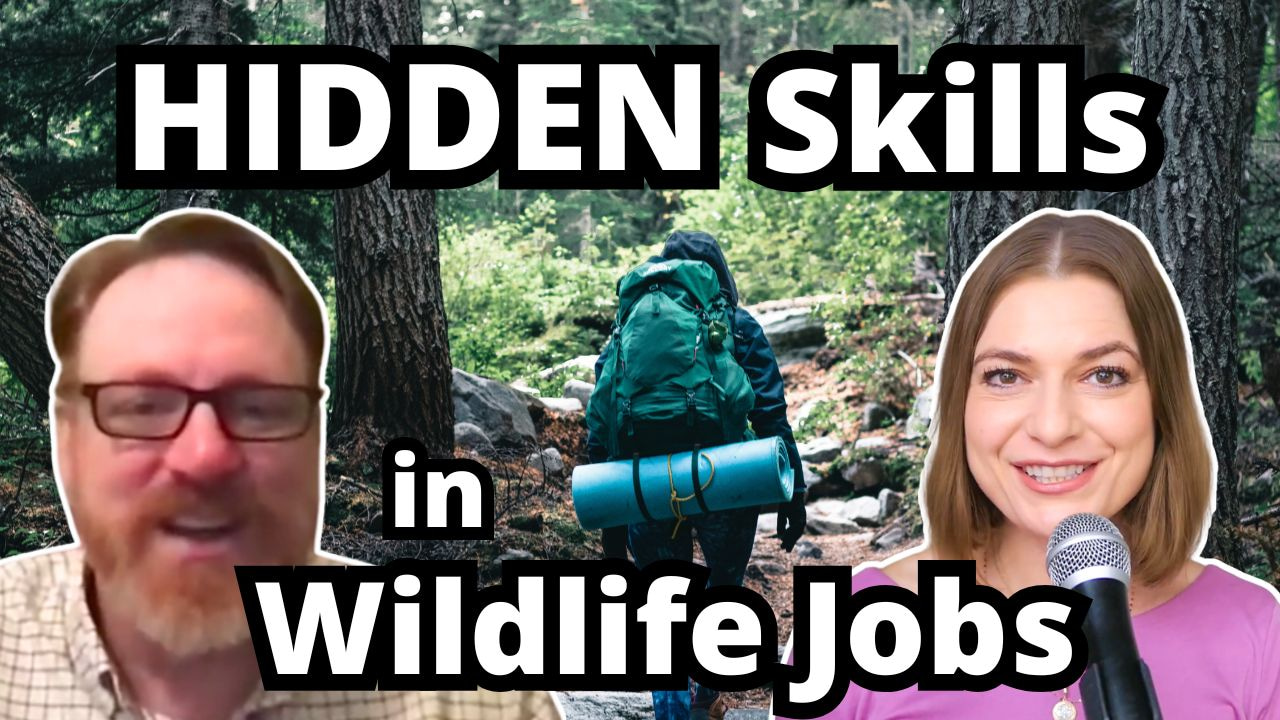
Through my years of talking to literally hundreds of struggling applicants in wildlife, conservation, and environmental fields, I’ve learned that almost everyone comes to the unfortunate realization that they are ultimately unprepared for the job market despite all of their success toward earning a degree. So when I came across one of Dr. Brian Horne’s career posts on LinkedIn that captured this perfectly saying that graduates were never taught the skills jobs actually ask for, I KNEW I wanted to talk to him
I had been following his posts on the struggles of working in wildlife fields for a while, and was always taken aback by how spot on and in depth they were. In this episode of the Fancy Scientist Podcast, we take a deep dive into the problems graduates face.
Brian shares the skills students often graduate without, like grant writing, budgeting, fundraising, writing for the public, and talking with landowners and communities. You’ll hear how he learned them on the job, what he wishes he had studied, and what you can do if you are already on the job market and notice a gap. He also shares a powerful story from India that changed how he thinks about conservation and the people who live alongside wildlife.
But before we get into the career help, I interviewed Brian about his own professional accomplishments in turtle research and conservation. Brian shares extensively on his background working for some of the best conservation organizations in the world including the San Diego Zoo and the Wildlife Conservation Society where he spent five years at the San Diego Zoo doing freshwater turtle research around the world, with an emphasis on Southeast Asia, and then 13 years at the Wildlife Conservation Society as the coordinator of turtle conservation.
Brian has spent decades on the front lines training people so that endangered and threatened turtle populations can recover. He has seen what conservation jobs really require that academia won’t teach you, and he has noticed what critical skills and experiences new graduates are missing that are costing them jobs.
You’ll hear how Brian went from trying to be a college professor to ultimately changing his career path to leading turtle conservation programs across Southeast Asia, Latin America, and Madagascar. We talk about what jobs at the Wildlife Conservation Society actually looked like day to day (hint: a lot of it was building capacity, training teams, and raising grant money, not collecting your own data!), and why he left to start his own nonprofit, the Akupara Foundation, focused on preventing species from becoming endangered in the first place. At the end of the episode, I share my key takeaways so you can put Brian’s advice into action.
Specifically, we go over:
- The skills students often graduate without and how to build them, like grant writing, fundraising, and writing
- What to do if you’ve already graduated and notice a gap in your experience
- How Brian went from loving turtles as a kid in Virginia to working at the San Diego Zoo and the Wildlife Conservation Society
- Why he started his own nonprofit and why he wants to protect species before they become endangered
- What a coordinator role at a large conservation nonprofit really involves
- How to talk with communities and stakeholders about conservation without being heavy-handed
- Why turtles are being smuggled out of the US for the pet trade
- Brian’s upcoming book about wildlife abundance and the shifting baseline
- Why urban wildlife is a growing area for careers
- And MORE!
Listen to the whole episode here:
https://stephanieschuttler.com/fancy-scientist-podcast-162-brian-horne/