

Louisa Richmond-Coggan
Founder & Conservation Consultant, LRC Wildlife Conservation Consulting
Is your organisation's technology decision-making as structured as it needs to be? Conservation organisations face real pressure to adopt technology, often without a clear process for assessing whether it fits their context, capacity, and conservation goals.
The free Conservation Technology Decision Quiz takes five minutes. It scores your approach across three areas: Decision Clarity, Fit and Feasibility, and Delivery and Performance. Results include practical recommendations matched to your score, so you can see where your decision process is strong and what to address first. Start here: Technology Decision Quiz
I work with conservation organisations and funders on structured technology decision-making, the process that determines whether adoption actually works. Twenty-five years in conservation across the Global South. Technology-agnostic, no vendor affiliations.
If your team is navigating a technology decision, evaluating a pilot, or funding organisations that are, I'd welcome a conversation.
BACKGROUND
Dr. Louisa Richmond-Coggan. My career spans field-based ecology, international NGO and policy work, academic leadership, and conservation technology decision-making.
Field career: large carnivore ecology and human-wildlife coexistence research across Eastern and Southern Africa, including as Head of Ecology at the Cheetah Conservation Fund in Namibia. I led Namibia's National Leopard Census, a multi-stakeholder project whose results fed into national and international policy. I built the Carnivore Tracker app, the first of its kind in Namibia.
Institutional career: BirdLife International, UNEP-WCMC, TRAFFIC International, Earthwatch. Academic Dean at the School of Wildlife Conservation at the African Leadership University. Technology and innovation work with IUCN Tech4Nature, including leading three Innovation Challenge Workshops and contributing to the strategic guidance framework on conservation technology adoption.
The Navigating Web 3.0 Guide: A Tool for Conservation came out of that work. It is a decision-support tool that starts with your conservation goals and operational realities, not the technology. 34 guided questions assess which emerging technologies are worth exploring across four areas: data collection and management, resource allocation and financial management, collaboration and communication, and monitoring and evaluation. Now integrated into the IUCN GSAP SKILLS platform. This guide is where the decision-support work started, and it remains the clearest entry point into conservation technology decision-making for teams new to this field.
Research at the International Conservation Technology Conference, Lima in 2026 confirmed what I had been building toward: the gap in conservation technology is not the tools. It is the structured process for deciding whether, which, and how technology fits an organisation's context.
PhD, Nottingham Trent University. MSc Conservation Biology, Durrell Institute. Fellow of the Royal Geographical Society. IUCN WCPA Task Force on Human-Wildlife Coexistence. Member of the Nature Tech Collective and Top Tier Impact.
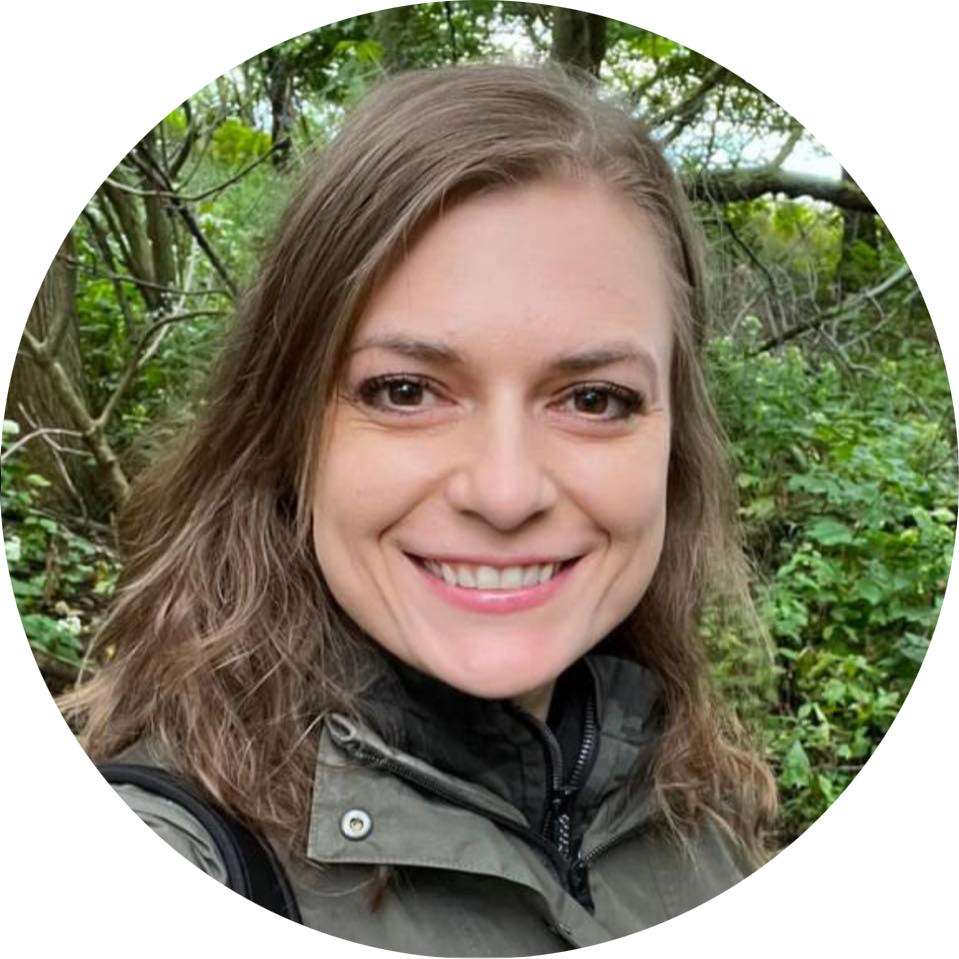
Stephanie Manka (formerly Schuttler)
Wildlife Biologist and Science Communicator, Fancy Scientist LLC
Wildlife biologist 🐘 Mentor 👩🎓 Your Biggest Career Cheerleader 📣 Communicator 👥 | Showing animal lovers how to get their dream job✨ | Connecting people with nature for conservation 🌿 and community 🏙️
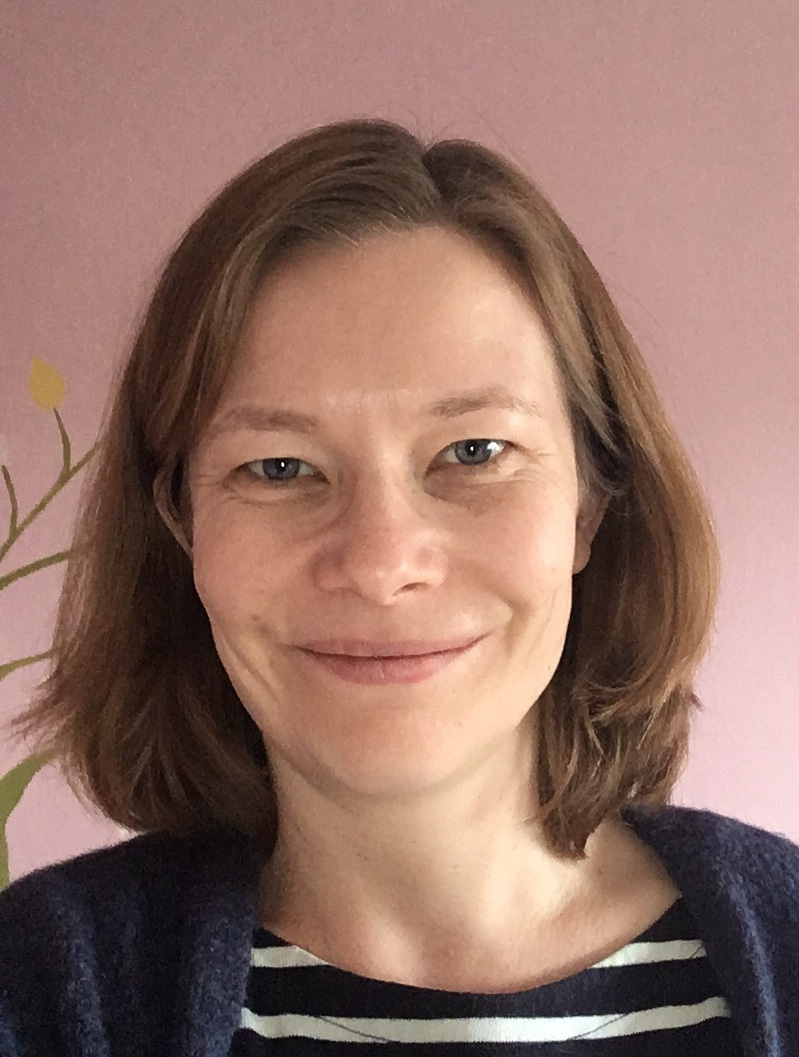
Hi all! I am currently Fauna & Flora Internationals (FFIs) Senior Programme Manager for Conservation Capacity and Leadership. I have a lovely broad remit, but at its heart my job is to support FFI staff and partners strengthen skills in establishing, managing and supporting FFIs conservation work. I do this in lots of ways- designing and running training events, supporting the application of new skills/learning to peoples work, setting up mentoring relationships and peer to peer learning groups, organising exchange visits, work shadowing, master classes etc. We have a big focus on knowledge management in FFI, so don't just focus on how to bring in new knowledge and learning into our organisation, but how to share and apply all the incredible knowledge and skills our 400 strong team already have
I have an MSc in Environmental Technology and PhD in Anthropology from UCL where I specialised in human-environment interactions, with a stint as a Teaching Fellow in Human Ecology (maternity cover). Prior to joining FFI, I spent a number of years working in the Central African Republic to assess and improve the integration of conservation and development in the Dzanga-Sangha region, and following gorillas up and down volcanoes in Rwanda with the Dian Fossey Gorilla Fund International. Before joining FFI's Conservation Capacity team in 2013, I spent 5 years in FFI’s Africa team, co-ordinating and managing projects in Liberia, West Africa.
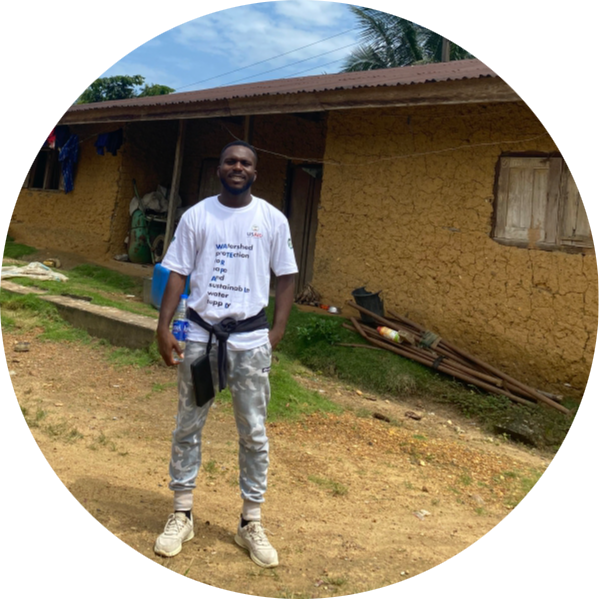
Julius Agabi
Aquatic and disturbance ecologist. , Wildlife Conservation Society (WCS-Nigeria program).
I am an enthusiastic conservation scientist with keen research interest in disturbance ecology, Wildlife trade, Human-Wildlife conflict, Ecosystem Restoration, environmental toxicology, marine litter, watershed, bioremediation and habitat protection. I'm focused on IUCN redlist species. I am an active, research-focused, Stable and goal oriented young chap with over two years of independent and collaborative internships and research with a very strong academic and research background in Zoology and Environmental Biology and a major focus on disturbance ecology and and ecosystem performance. I have grown my passion from supporting conservation activities in the University to also taking conservation education to local schools, youths, Women and stakeholders in supporting/enclave communities of the Cross River National Park, Nigeria. I am currently taking a drastic tilt in research towards assessing the impact of human interference with ecosystem performance while studying the indices that could have permeated this disruption. In the last one year, I have supported conservation education, local livelihood intervention and committed to studying the landscape of Cross River National Park, Ndebiji hills and Afi wildlife sanctuary, Nigeria
https://www.linkedin.com/in/julius-agabi-512b87302.