Community-Led Conservation of the Critically Endangered Lake Oku Clawed Frog: Reflections from Phase I
With support from The Rufford Foundation, we began implementing our project, “Community-Led Conservation of the Critically Endangered Lake Oku Clawed Frog (Xenopus longipes) through Habitat Protection”, between June and September 2026. The project focuses on improving protection of the wetland habitat, enhancing habitat and water conditions, strengthening community conservation capacity, increasing awareness, and generating baseline information to guide future conservation planning.
The first phase was therefore about building the foundation for longer-term conservation action—bringing together field-based science, community participation, traditional leadership and habitat restoration.
We began by training our field team on the project objectives, GPS use and water-quality monitoring protocols. We also had a virtual technical discussion with Dr. Benjamin Tapley of the Zoological Society of London (ZSL) to discuss the technical design of the project.
Before deployment to the field, we engaged with the Fon of Oku, the conservator of the sanctuary where the lake is located, and the Notables of Oku. These engagements introduced the project to local authorities, helped secure the necessary administrative support and ensured that activities were planned with consideration for local structures, traditions and safety. We also held a planning meeting with SOPISDEW, an Oku-based organisation, to support deployment and safety arrangements within the community.
A major component of this phase was community capacity building. On 10 July, we trained our first group of 24 community monitors in GPS use, water-quality monitoring, standardised data recording, frog identification, and habitat-threat assessment and classification. The monitors were equipped with GPS units, water-quality monitoring materials, rainboots and other field equipment and organised into teams for subsequent monitoring activities.
The following day, the project team and community monitors conducted a practical field exercise around Lake Oku. We walked the entire shoreline, mapping disturbances within a 50-metre buffer and recording GPS coordinates at observation points. We also identified potential Xenopus longipes development and breeding zones and observed different life stages, including eggs, tadpoles, recently metamorphosed frogs and adults, as well as breeding pairs.
We also established the foundation for community-based water-quality monitoring. Initial measurements were taken at six fixed, geo-referenced locations, covering TDS, dissolved oxygen, temperature, pH, salts and turbidity. The trained community monitors have continued collecting data from these six locations twice monthly.
Another important activity was the establishment of a community-managed native tree nursery. Between 13 and 24 July, women, children and trained community monitors worked together to prepare the nursery site, fill planting bags and pot seeds. The nursery has already produced approximately 700 Prunus africana seedlings, which will support planned native vegetation restoration activities during the 2027 planting season.
Access to some parts of the project area was also challenging because of insecurity in the region, while transportation costs affected participation in the practical field training. Although all 24 monitors completed the classroom training, approximately 13 were able to participate in the practical lake session. The wider political instability also affected the willingness of some individuals with existing knowledge of the frog and its habitat to engage with the project. We are continuing to build relationships and trust as the project progresses.
Despite these challenges, the first phase has established important building blocks for the project: trained community monitors, baseline water-quality data, initial habitat and threat information, identification of potential frog development and breeding areas, and a community-managed nursery preparing native seedlings for future restoration.
I am deeply grateful to The Rufford Foundation for supporting this work. I would also like to acknowledge Dr. Thomas Doherty B. for his assistance and support to the project, and Green Globe Organization, which has served as the institutional backbone of the project, providing an important platform for its implementation and coordination.
My appreciation also goes to Dr. Benjamin Tapley and the Zoological Society of London (ZSL) for the technical engagement during the initial project design, as well as the Fon of Oku, the Notables of Oku, sanctuary authorities, SOPISDEW, our community monitors, field team and the wider Oku community for their participation and support.
For me, this first phase has reinforced an important lesson: effective species conservation is closely connected to habitat protection, local knowledge and community participation. The conservation of the Lake Oku Clawed Frog will require continued collaboration, learning and sustained action.
The first phase has laid the foundation. The work continues. 🐸🌿
#LakeOku #XenopusLongipes #LakeOkuClawedFrog #AmphibianConservation #Cameroon #CommunityConservation #WetlandConservation #Biodiversity #HabitatProtection #ConservationScience #AfricanBiodiversity #RuffordFoundation #GreenGlobe #ZSL
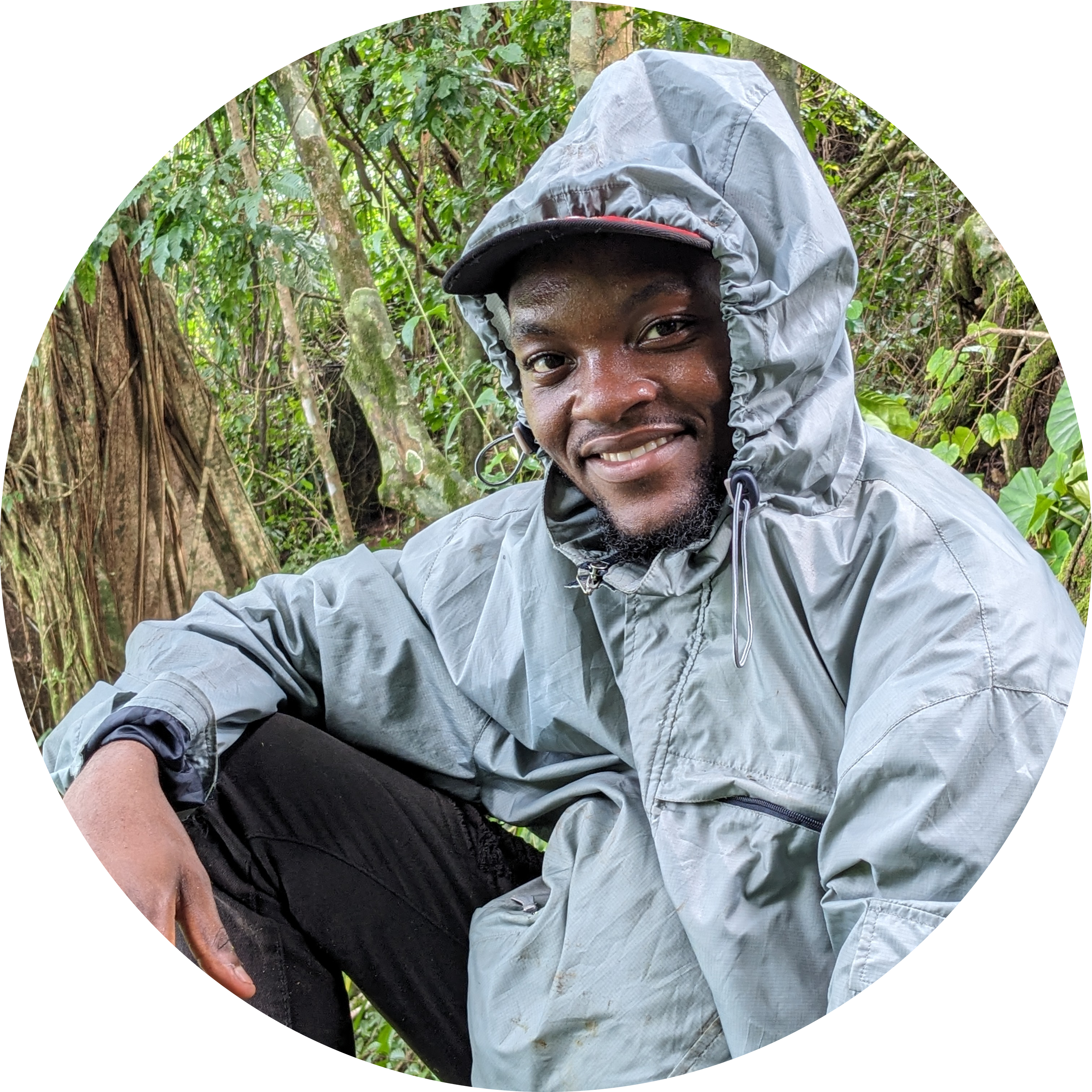
Gansey Sean Penyit is an early-career Cameroonian conservation scientist, biodiversity specialist, and wildlife resource manager based in Bamenda, Northwest Region, Cameroon. He is highly recognized for his dedicated community-led fieldwork aimed at protecting unique and critically endangered species within Cameroon's rich biodiversity hotspots.
PhD Fellow: Pursuing a PhD program in Wildlife Ecology and Management at The University of Bamenda.
Master of Science: Graduated with First Class Honors in Wildlife Resource Management from the University of Bamenda (2023–2025).
Bachelor of Science: Earned his undergraduate degree in Forestry and Wildlife Resource Technology from the College of Technology (COLTECH) at the University of Bamenda.
He leads a prominent project through the Rufford Foundation focused on the community-led conservation of the critically endangered Lake Oku Clawed Frog (Xenopus longipes) by promoting habitat protection around the Kilum-Ijim montane forest.
Species Conservation Officer: Actively serves at the Green Globe Organization (since February 2025).
Community Officer & Grants Administrator: Worked with the Global Visionaries Network (Visnet), where he managed compliance tracking and community outreach.