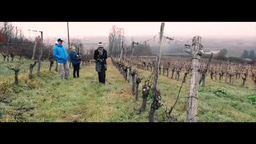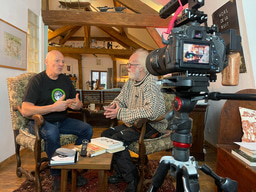
A conservationist, a tour operator and an oil palm farmer walk into a bar in Borneo …
Most people love elephants. I am currently in Sabah on the island of Borneo, Malaysia, where there are about 800 - 1500 wild elephants. They are iconic here and play an important part in the area’s natural and cultural heritage. They help spread seeds and open pathways with a significant role in the ecosystems. People coming to see them brings income supporting eco-tourism and conservation. So why are they endangered?
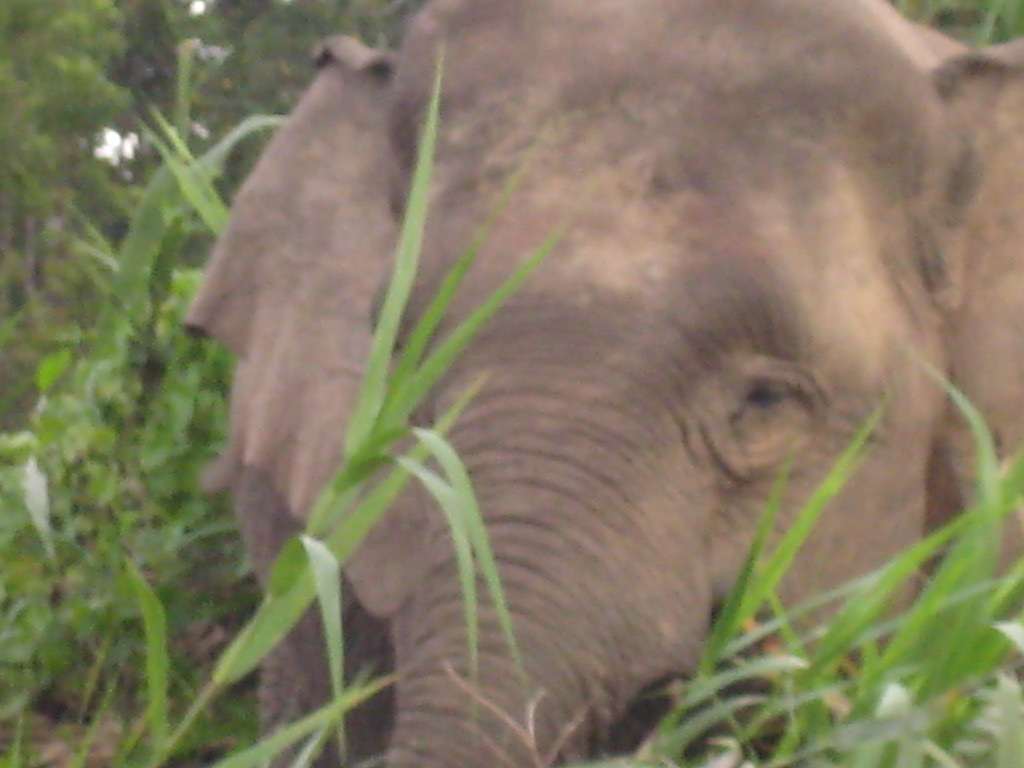
Habitat loss is well known with logging and planting of oil palm; the latter now dominates a landscape perforated by small protected areas, unprotected forest patches, smallholdings, settlements and roads. I won’t quote the percentages as these differ depending on the sources, but in some areas, such as the Lower Kinabatangan, they are extreme. This fragmentation restricts the elephant’s ability to roam and find food, and, perhaps less considered, causes inbreeding and a thinning out of the gene pool.
Elephants don’t recognise boundaries and the trespass into a plantation is likely to result in an elephant-human conflict. There’s some research showing that this is the type of landscape they prefer: flat, low-lying areas of forests of low height, much the same that suits agriculture. As a large oil palm plantation owner you may have the means to protect your crop, such as electric fencing, but smallholdings less so; fencing requires maintenance and elephants are learning to push them over. Conflict can result in retaliatory killings. Poaching still goes on as does snaring, often intended for other animals but can inflict injury on elephants as a bycatch. Any elephant movement on roads creates a dangerous risk to animal and motorists alike, an emotional scene and a costly clear up.
Rescue and captive care are important responses when elephants are injured, orphaned or displaced, but there are limits to this in space, capacity, staffing and veterinary care. Rescue should be a safety next, not a substitute for protecting wild animals and their habitats.
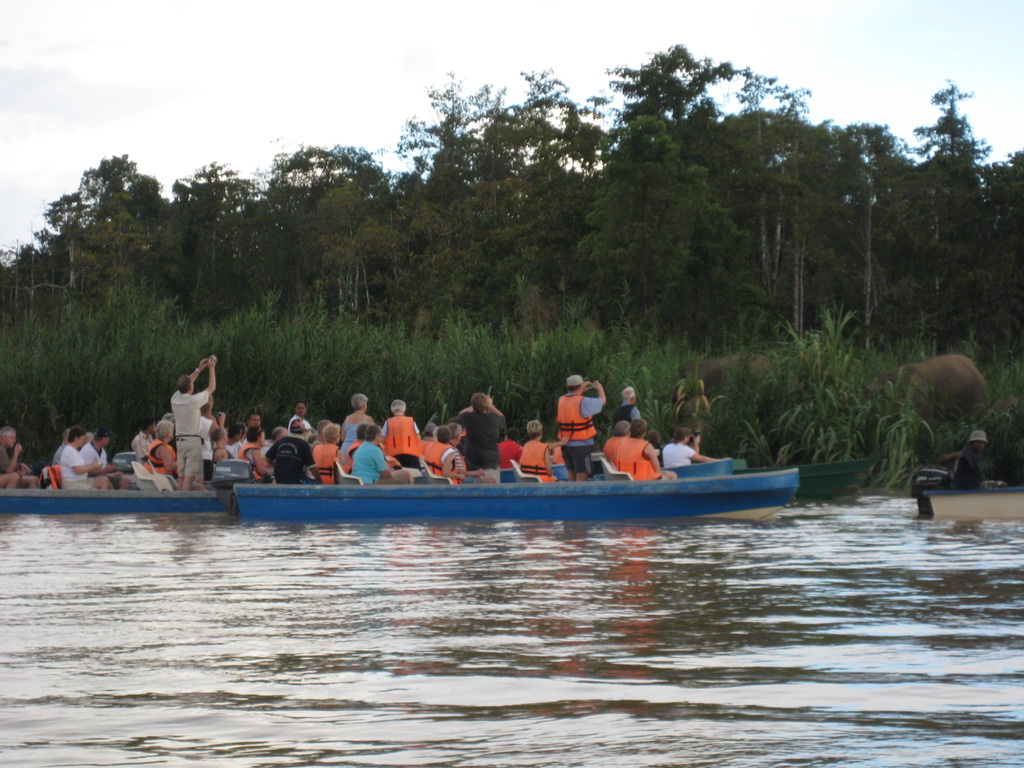
There’s a paradox in tourism. It’s a huge source of income for many but creates the need for new eco-lodges, roads and infrastructure that results in greater fragmentation of habitat. We know a lot about what it costs to people living alongside elephants, but little about what it costs to be watched; a cast without a contract, who, unlike those on a reality show, have nowhere to escape to. Back to our three stakeholders walking into a bar; the one who can’t join them is the elephant.
Education is key and this article was written from a presentation on elephants at the recent book launch of The Elephants of Borneo by Yulinda Wahyuni, Siti Nur’ain Ampuan Acheh, Ram Nathan, Shavez Cheema and Grace Pounsin.