
Chita Ranjan Sahoo
PhD Research Scholar, Siksha O Anusandhan Deemed to be University
- Member directory
- India

My background is mainly in species conservation, education and capacity exchange. I researched mother-young interactions in gorillas and chimpanzees, in captivity and the wild. After that, I worked for three years in Indonesia, where I developed and implemented youth ambassador and community engagement programmes on local and regional scales. I co-founded WildHub, a community of nature conservation professionals, in 2020 and work as their Community Lead. I am furthermore on the Advisory Board of the Durrell Institute of Conservation and Ecology (DICE) at the University of Kent where I obtained my PhD on capacity development for conservation in 2022.

I have been working for the last 3 years with World Wide Fund for Nature (WWF)- India in the eastern Himalayas. My interests and research fall in an interdisciplinary field of ecology and social sciences. My interests are particularly in community based conservation approaches, understanding social-ecological systems and the role of Traditional ecological knowledge in conservation.
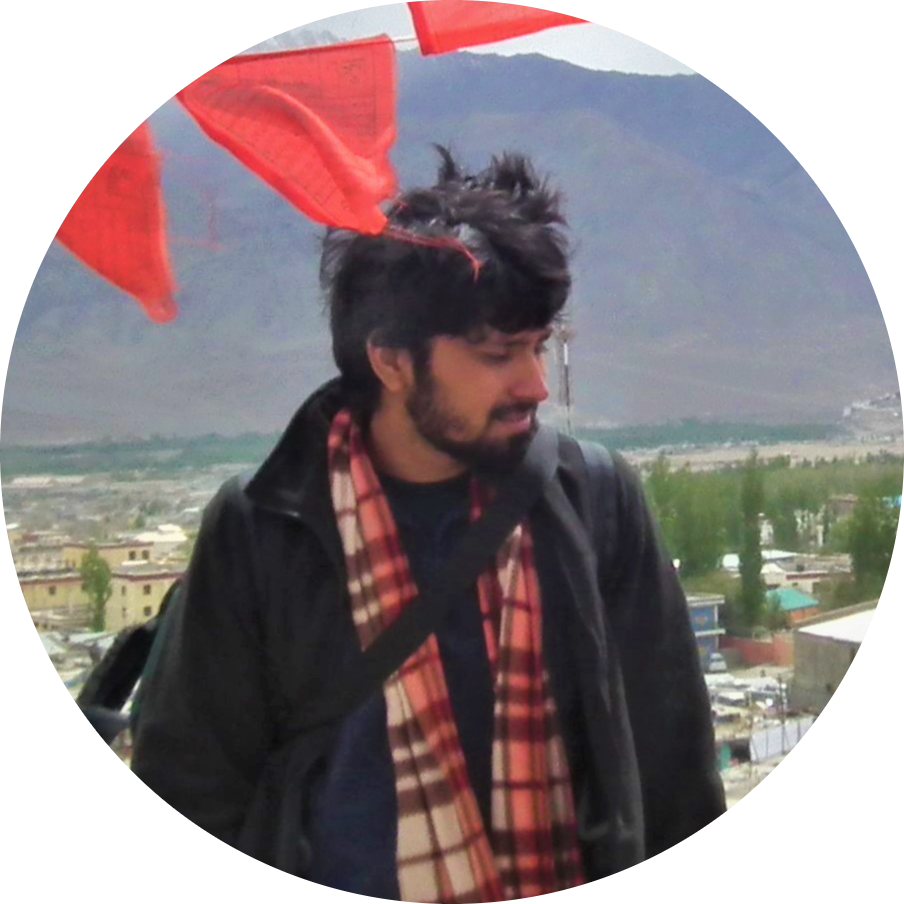
I am currently working as a researcher at Wildlife Institute of India and the project aims at developing a landscape management plan for tiger conservation in the central parts of India. Previously, I have worked in a wetland restoration project and also, I studied Nilgai in urban parks and rural areas in Delhi. I graduated from School of Human Ecology, Ambedkar University Delhi in 2016. My academic interests are human wildlife interfaces, animal geography and representation, conservation social science, socio-economics, pastoralism, landscape ecology and population ecology.
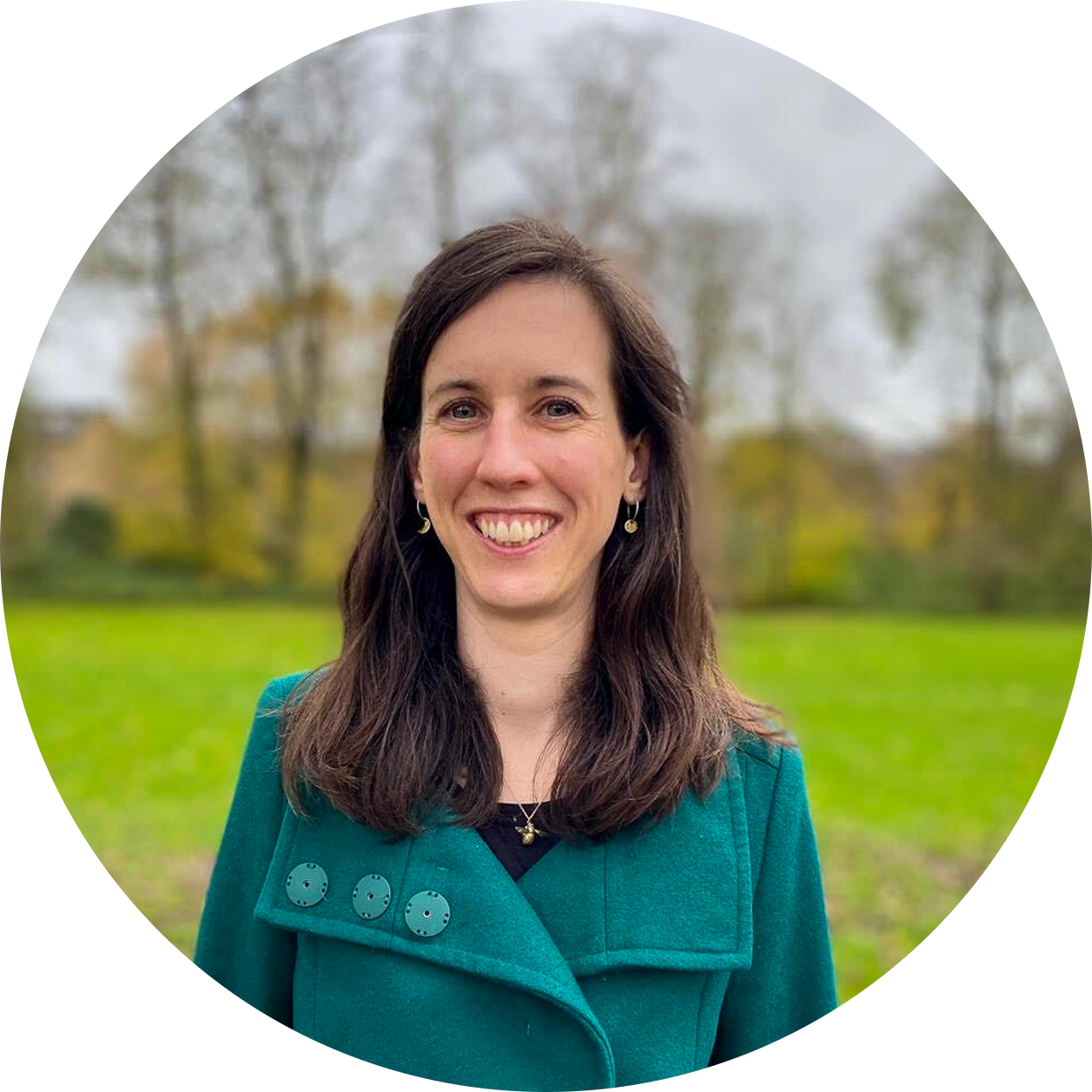
I'm a biodiversity consultant working mainly in the corporate space. I work with large companies to help them figure out their nature-related impacts, dependancies, risks and opportunities, then use this information to create biodiversity strategies.