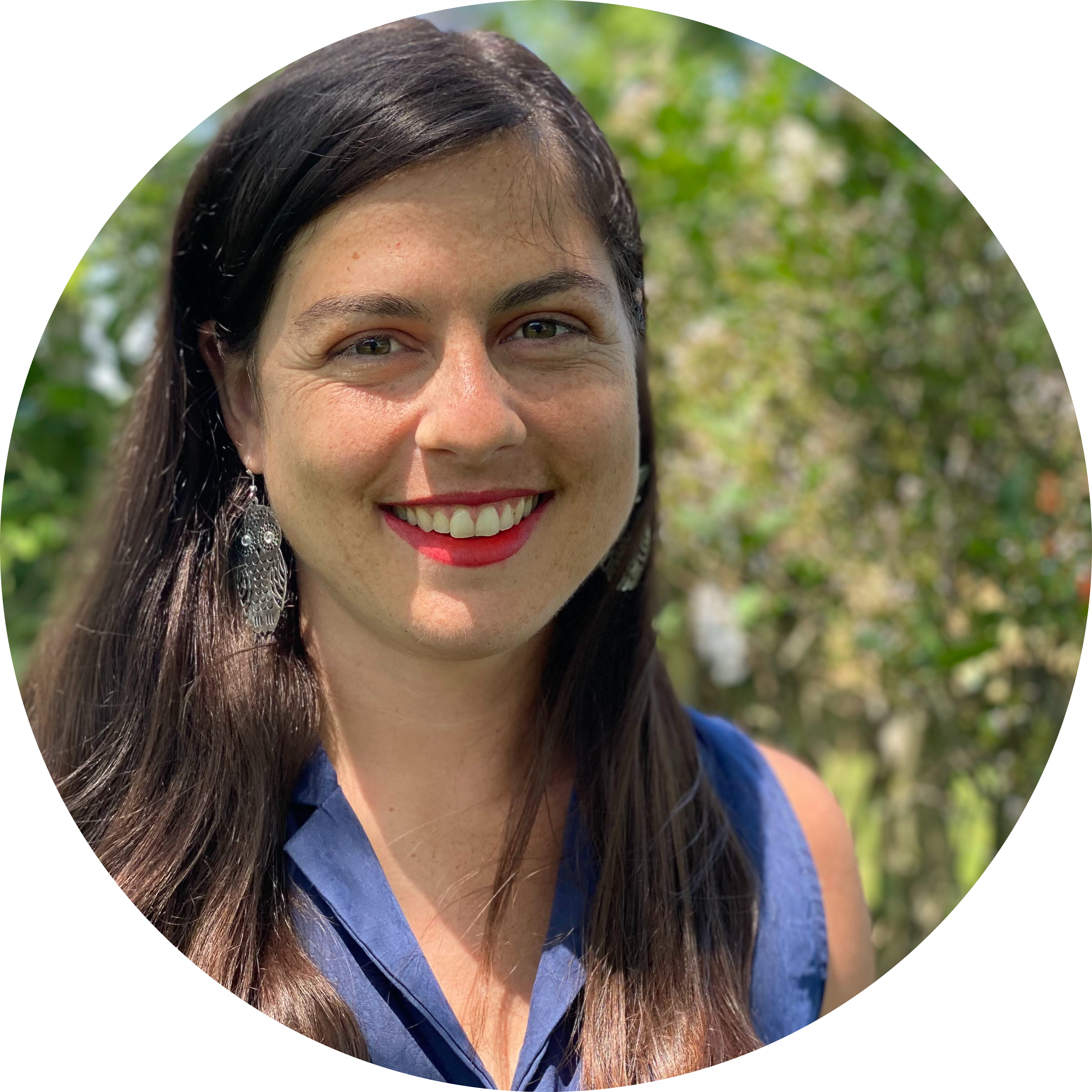
About Thirza Loffeld
My background is mainly in species conservation, education and capacity exchange. I researched mother-young interactions in gorillas and chimpanzees, in captivity and the wild. After that, I worked for three years in Indonesia, where I developed and implemented youth ambassador and community engagement programmes on local and regional scales. I co-founded WildHub, a community of nature conservation professionals, in 2020 and work as their Community Lead. I am furthermore on the Advisory Board of the Durrell Institute of Conservation and Ecology (DICE) at the University of Kent where I obtained my PhD on capacity development for conservation in 2022.
Which category below best describes the type of organisation you currently work for/or run?
Areas of expertise
Intro Content
Capacity development in nature conservation: New approaches to strengthen individual professionals
Followers


Kari Jackson Bongnda
Founder and Executive Director , Sustainable Run for Development (SURUDEV)
Yihenew A. Berhanu
Lecturer and Researcher in Ecology, Zoology and Wildlife Conservation, Wachemo University
Topics
Channels contributed to:
Capacity development Professional development Events & Network opportunities Diversity, equity, inclusionRooms participated in:
Women in Conservation Canterbury Network Konservasi di Indonesia Training opportunities Conservation and Covid-19Recent Discussions

Learn how to approach a potential contributor with confidence and respect.
🌿 Buddy Finder — Optional Support Space for Catalysts

🎉 Welcome to the WildHub Conservation Catalyst Cohort 2025–2026! 🌿


Update: member directory filters
Coach Meetings 2025 – Minutes & Recordings
How can we move from competition to collaboration in conservation?

Hi team! Please meet & greet Anesu in Mozambique!




Recent Comments
Thank you for sharing this insightful analysis, Arvind. I appreciate how you've drawn on relevant research and practical examples to explain the role of financial intelligence in combating wildlife trafficking, while highlighting opportunities for stronger cooperation between institutions.
It's also interesting to see how your article complements Ricky Naudé's recent contribution on information-sharing gaps between commercial cargo systems and wildlife enforcement: https://wildhub.community/posts/we-count-what-we-catch-air-cargo-wildlife-trade-and-the-number-nobody-has-measured
Both articles offer complementary perspectives on how better coordination between existing systems could strengthen wildlife enforcement. I hope these insights will encourage further knowledge exchange among members working in this field - I look forward to seeing where this exchange of knowledge leads!
Thank you for sharing this insightful analysis, Ricky. I particularly appreciate how you've drawn on your experience in aviation, law and conservation to highlight the gaps between commercial cargo systems and wildlife enforcement. It's a valuable example of how expertise from different sectors can help us better understand conservation challenges.
It's also encouraging to see you building on insights previously shared by other WildHub members. @Arvind Kumar Chaurasia, Ricky references several of your contributions on customs cooperation and wildlife trafficking. I'd be interested to hear your perspective on the challenges he's identified, particularly around connecting existing customs data with effective wildlife enforcement.
Ricky, I'm looking forward to following this series and learning more about the practical opportunities you identify for bridging these systems.
Welcome to WildHub, Ruy, and thanks for introducing your work with Green Cross UK!
I imagine your experience could offer valuable insights for conservation professionals navigating the challenges of turning project ideas into practical, sustainable initiatives.
I'd be particularly interested to hear what you've learned about building effective partnerships across different sectors, and what factors you've found most important for their long-term success. Also, which geographic focus do your programmes currently have?
In any case, let me tag a few people who are working in carbon who may be interested in learning more @Michelle Wangui , @HOSEA ELIA KIYOGOMA , @Michael Cunningham
I hope you'll find opportunities to exchange experiences and connect with others working on related challenges here on WildHub!
A warm welcome to WildHub, Joseph! It's great to have you join our community and thank you for sharing your background and current work.
I would recommend joining our member Social events (dates here) which is a lovely informal way to get to know other members and share your insights as well.
Wonderful to see you so active in our community already, I look forward to following your work.
Thank you for sharing your perspective, Renilde. Your proposal raises some interesting questions about how ecological knowledge, local perspectives and existing governance structures can be brought together to inform decision-making.
I'm particularly interested in how these ideas might translate into practical approaches that conservation professionals and local communities can apply. Are there existing initiatives or governance approaches that have informed your proposed model, or that you see as useful starting points for testing it?
I imagine some practical examples could help our wider conservation community explore how these ideas might apply in different contexts. Looking forward to following how the prototype develops!
Thank you so much, dear Thirza.
The workshop resulted in three key commitments in Sankuru:
1. Increased community awareness
2. Improved coordination between authorities, the justice system, and NGOs
3. Training for officers on identifying and prosecuting offenses
PASA is the Pan African Sanctuary Alliance: a network of sanctuaries that protects primates in Africa and combats wildlife trafficking, working with local communities.
The key lesson: without local authorities and communities, there are no lasting results.
Wonderful to read and thank you for sharing! Wishing you a nice afternoon.
Thank you, Flavia, for bringing Manon's experiences and insights to our community, and thank you, @Manon Verijdt, for sharing so openly about your journey and the realities of running Ubuntu Magazine.
I appreciated your example of connecting conservation organisations working on different species but facing similar challenges. It's a great illustration of how sharing knowledge can lead to meaningful collaboration.
In that same spirit of collaboration, I wanted to come back to your idea of creating a wider platform for exchanging practical conservation knowledge. This is very much what we're working towards with WildHub! Perhaps there's an opportunity for Ubuntu Magazine and WildHub to complement each other, with the stories shared through Ubuntu sparking further conversations, knowledge exchange and connections between conservation professionals here in our community.
I was also interested in your reflections on managing an international team of volunteers, particularly the challenges around retention and continuity. What's one mindset or practical approach you've found helpful in keeping volunteers motivated and giving them a sense of ownership?
Looking forward to hearing your thoughts!
Thank you for sharing this important work on tackling wildlife crime in Sankuru, Grevis!
It's encouraging to see conservation organisations engaging directly with provincial authorities on this issue.
I'd be interested to hear more about the outcomes of the workshop. Were any specific actions or commitments agreed upon to strengthen wildlife crime prevention and enforcement? Also, for those not familiar with PASA, could you perhaps share a bit more about this organisation?
It would be valuable for fellow WildHub members to learn what approaches are being considered and what lessons might be transferable to other regions facing similar challenges.