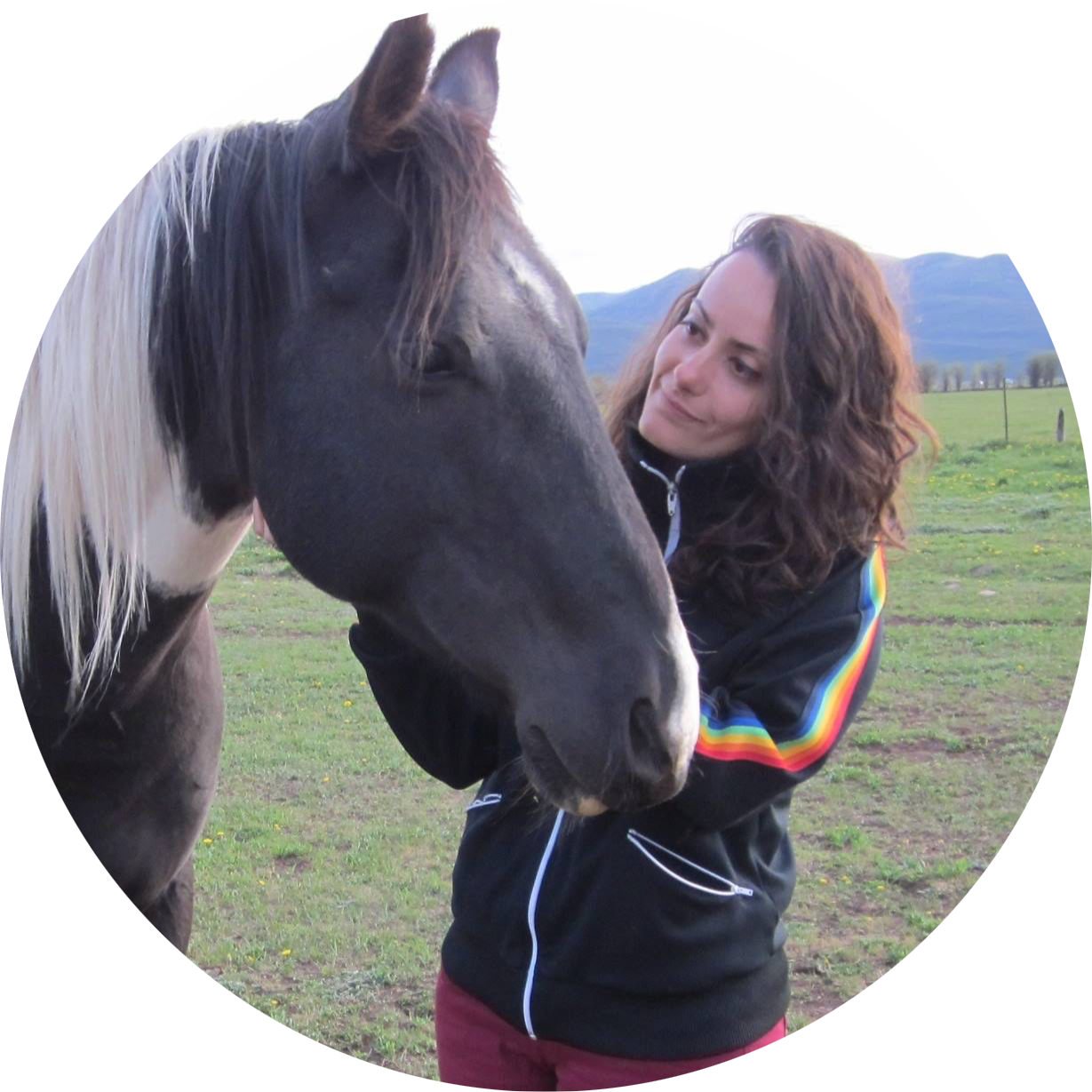
Flavia Manieri
- Member directory
- Sweden
About Flavia Manieri
I am a passionate communicator and researcher with an extensive background in the environmental humanities and social sciences, dedicated to exploring and fostering connections between people and nature. Based between Sweden and the UK, I work in academia as a researcher and lecturer, teaching courses in environmental law, historical ecology, and disaster risk management.
I actively contribute to non-profit organisations promoting conservation and animal welfare. I work with Faunalytics, translating complex research into accessible insights for evidence-based advocacy; write feature articles for Ubuntu Magazine spotlighting conservation initiatives; and serve as Community Advocates Coordinator at WildHub, driving strategic communications and leading initiatives that connect and empower conservation practitioners worldwide.
When I’m not working, you’ll find me hiking forest trails with my dog or enjoying a good cup of coffee.
Verification: Please indicate how we can verify your professional conservation role
Which category below best describes the type of organisation you currently work for/or run?
Areas of expertise
Would you be open to sharing your lessons learned with the WildHub community?
Intro Content
Balancing The Scales: WildHub Special - Event Recap
Followers



Collins Manyasi
Founder , Alliance for Rural Innovations in Climate and Conservation Action -afRICCA
Popular Content
Topics
Channels contributed to:
Professional development Events & Network opportunities Diversity, equity, inclusion Our communityRooms participated in:
Konservasi di Indonesia Training opportunities Conservation Education Let's welcome new members!Recent Discussions
🌿 Friendly reminder to all our amazing WildHub advocates!
Help Us Grow Our Voice on LinkedIn 🌱
New Interview Opportunity with Experienced Conservationist Marc Foggin
Engage, Connect, and Make Members Feel Seen!
Turning an Invasive Species into Fashion. Can Ethics and Conservation Coexist?
Beavers and salmonids: an unexpected alliance?
Recent Comments
Thanks Hannah! Sharing this on WildHub LinkedIn on Monday 💫
Thanks, @ANNE-MARIE MASCARO! I’ve just shared your post on our LinkedIn page and tagged you. We’re happy to help spread the word! 😊
This sounds so exciting! 🌿 The river project is such a cool example of AI learning to listen to the living world. Definitely registering for this and sharing it on LinkedIn! 🌊🤖
Thanks for sharing Monica! I thoroughly enjoyed reading your article. It looks like it is cut off right at the very end though - do you happen to have the full version, perhaps with a clickable link to the original?
I have to say, I smiled at the thought of people being sentenced to death in the 16th century for poaching European bison. That seemed rather fair for the time, although today I could probably settle for a life sentence in prison!
By the way, what is the current state of the European bison population in the Białowieża National Park?
Have just shared this on our LinkedIn page! Hopefully it will spark some interesting conversation and bring different perspectives into the discussion. 🗣️💬
Welcome to WildHub, Serge! 👋 It’s great to have you as part of the community. We look forward to learning from your experience and perspectives in conservation.
If you need any help navigating the platform, feel free to reach out.
If you can’t view the video above, you can watch Restore Our Planet Podcast, Episode #92 here:
https://www.youtube.com/watch?v=06eii9CD08A
👌😁
If you can’t view the video above, you can watch Restore Our Planet Podcast, Episode #92 here:
https://www.youtube.com/watch?v=06eii9CD08A