Coming Soon to a Place Near You?
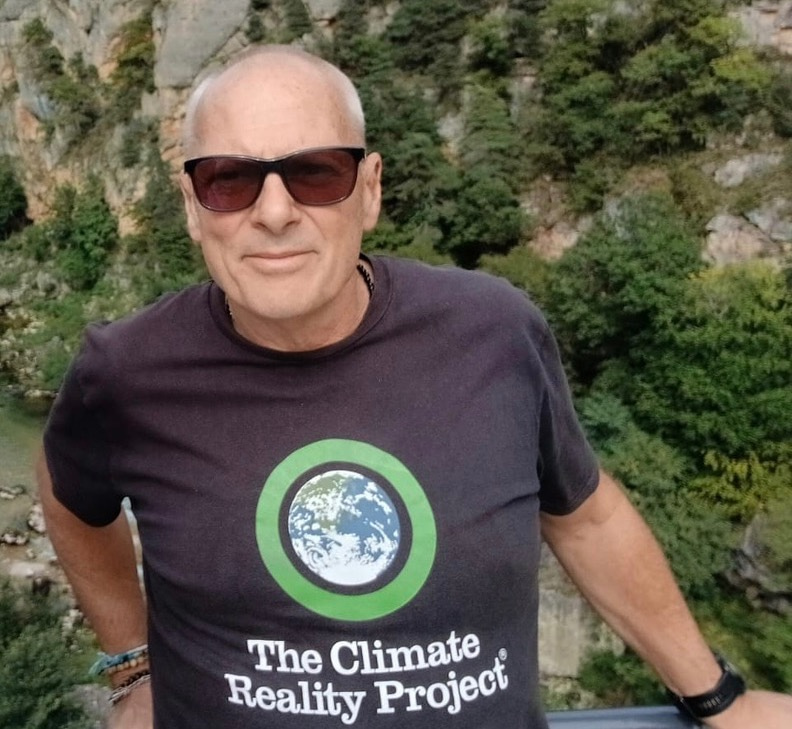
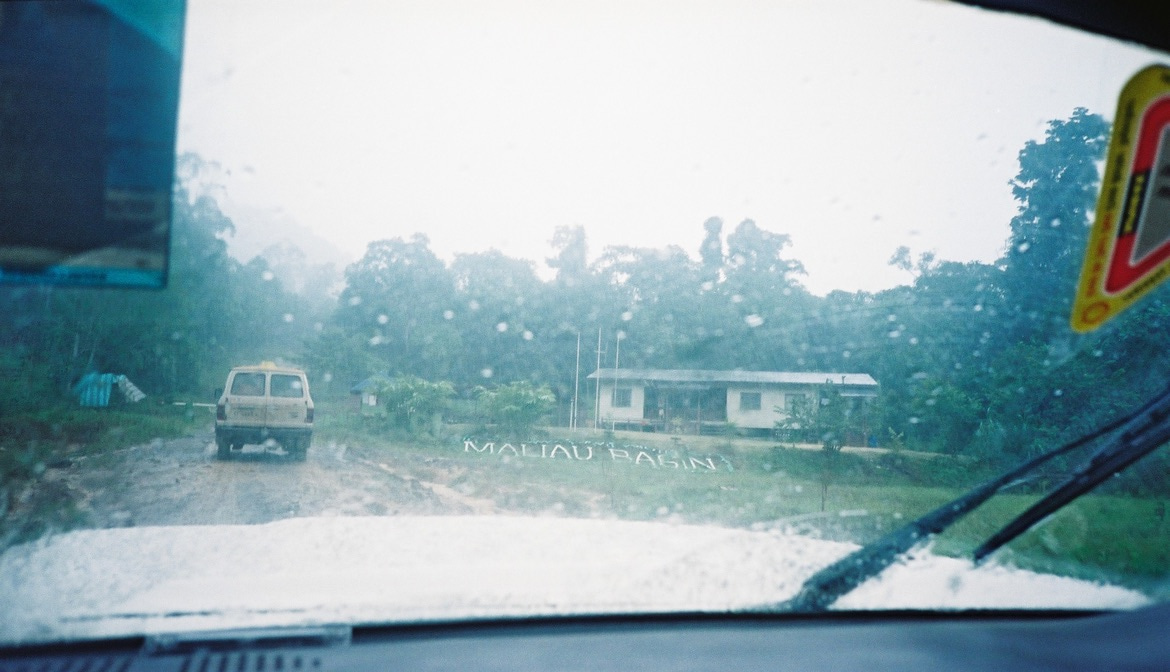
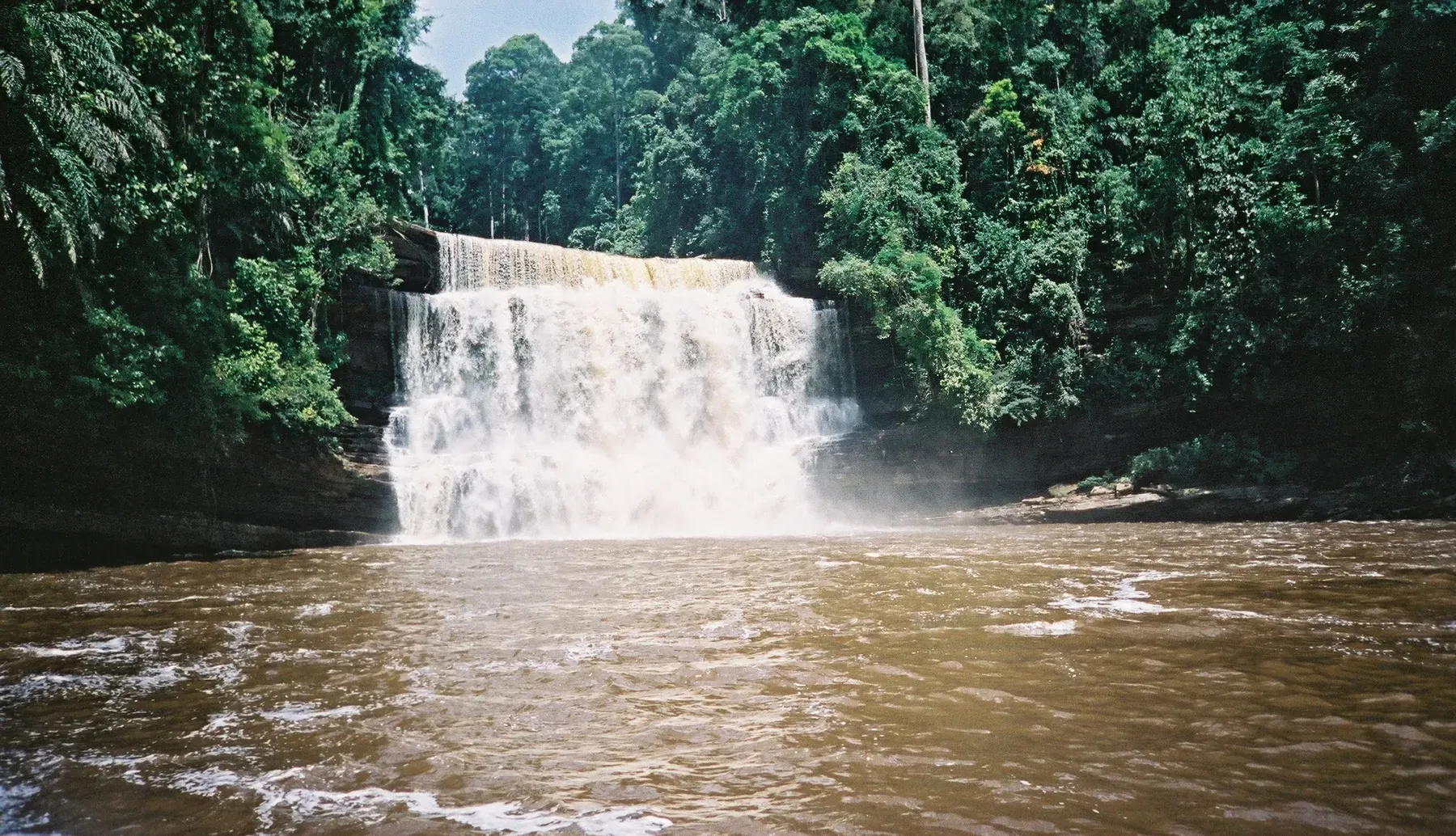
Back in 2003, I was working as the expedition leader on a mapping project in the remote jungles of Borneo. We were a mixture of volunteers, mainly from the UK, local guides from Malaysia and Indonesia, some scientists, botanists and the like. Our mission was to map a possible route to the Maliau Falls, a spectacular seven-tier waterfall hidden within the remote Maliau Basin.
Just to give you a flavour of its remoteness, the area was first discovered by a WWII pilot flying over the area in 1947, who noticed this vast sunken area of forest. It was not properly explored until a scientific expedition arrived in 1988.
For two months, our teams worked our way through rainforest searching for the best route from the crater rim to the falls. We surveyed terrain, catalogued tree species and stumbled across discoveries that sent the botanists into a frenzy, including a previously unknown waterfall.
The jungle is magnificent, but unforgiving. The heat is relentless, the humidity exhausting, and insects are everywhere. I loved it. Even now, it remains my favourite environment to work in.
Then one afternoon, things changed.
I became dehydrated and couldn’t regulate my temperature. My body ached, I felt disoriented and unusually irritable. That night, lying in my hammock, I radiated heat like a furnace. The expedition medic checked my temperature: 40°C.
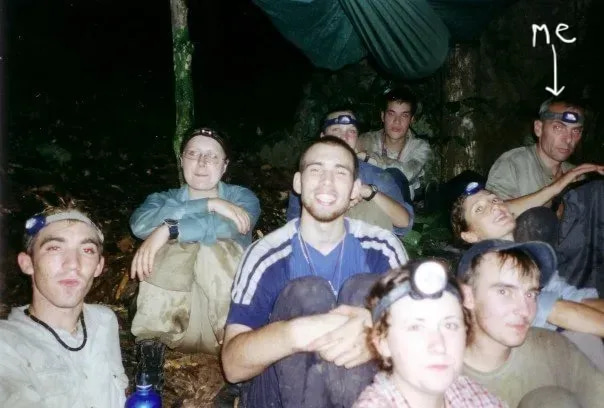
I needed evacuating.
The problem was that we were around 160 kilometres inside the forest.
A local guide walked with me to a logging road where we flagged down passing vehicles. That got me to a main road and a local bus to the town of Tawau. I arrived late at night, sweating heavily, frightened and completely alone.
The next morning, I flew to Kota Kinabalu where our company administrator met me and rushed me to Sabah Medical Centre.
“I’ll try to persuade them to see you straight away,” she said as we approached a crowded waiting room.
“I don’t think you’ll need to,” I replied, moments before collapsing unconscious onto the floor.
I spent a week in hospital and several more recovering my strength. The diagnosis was dengue fever, a viral disease spread by the tiger mosquito, Aedes albopictus.
At the time, dengue felt like a tropical problem confined to places like Borneo. It no longer is. Cases have now appeared in Croatia, France, Italy, Spain and Portugal, with infections recorded as far north as Paris. Climate change is not solely responsible, but warmer temperatures alter mosquito behaviour, breeding cycles and survival rates. Urbanisation, global travel and trade help carry both mosquitoes and their eggs across continents. Even the UK has already detected isolated tiger mosquitoes, though they have not yet established themselves permanently.
The jungle once felt unimaginably far away.
Perhaps it isn’t anymore.