Don't Shoot the Messenger: Navigating AI in Wildlife Conservation Work
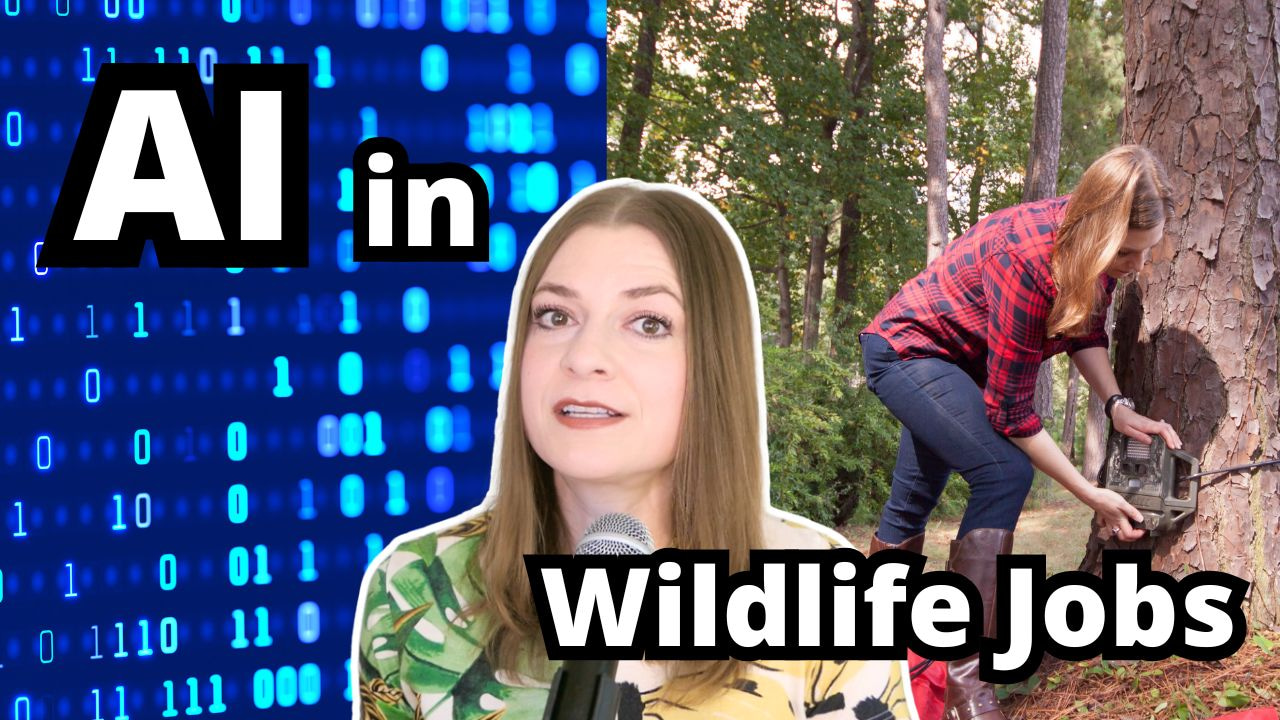
AI seems like it’s EVERYWHERE nowadays, and I know if you’re a conservationist like me, you’re concerned about its environmental impacts, and maybe even avoiding it because of them…
But I recently read an article that scared the bejesus out of me. It basically stated: AI is here and those who don’t know how to use it well, WILL be left behind.
Listen to Don't Shoot the Messenger: Navigating AI in Wildlife Conservation Work
https://stephanieschuttler.com/fancy-scientist-podcast-154-ai-in-wildlifework/
And then I realized, AI is already here, not just in our everyday lives (you can’t run a Google search without it), but it’s also here in wildlife work. Big conservation organizations all over the globe are using AI to document, assess, and analyze biodiversity to combat huge losses. Platforms like iNaturalist, Merlin Bird ID, and Wildlife Insights all use AI models.
And now I’m starting to see it pop up in wildlife job advertisements. Posts are now asking for applicants to know how to use and run AI effectively in wildlife work by integrating Claude and ChatGPT in their workflow and processes.
This episode is NOT about the environmental impacts of AI, but rather that AI is here, hard to avoid to some extent, and that organizations are already using it. If you’re pursuing wildlife work, they are now also asking you to adopt it. And just like the article I read, I’m concerned that if you don’t adopt it, you’ll be left behind.
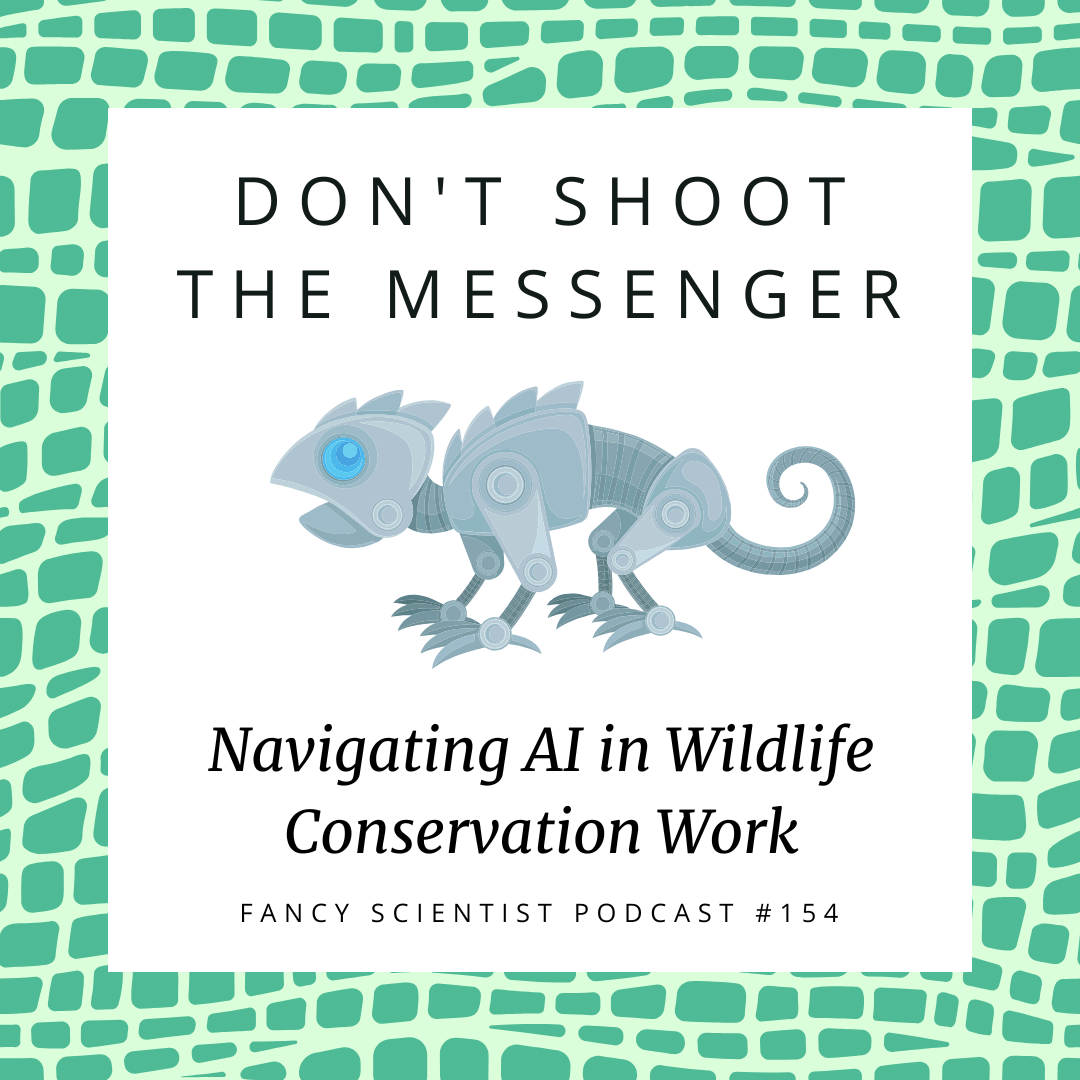
So in this episode of the Fancy Scientist podcast, I am talking all about AI in wildlife work. I'll be honest, I was a little nervous to record this one. It's a topic that can ruffle some feathers, and as you’ll learn in the episode, there is a lot of real pushback from not just environmentalists, but society as a whole.
My goal in providing you with this episode isn't to tell you whether to use AI or avoid it. I’ll leave that up to you. Rather, it's to provide you with my perspective using 20+ years in wildlife work, and actually having worked on a large AI conservation project, on how it's already being used in nature and conservation research, how I expect it to be used in the future, and what it means for your career.
In this episode, I walk you through how large conservation organizations are using AI with examples across different species and systems, and what it means for you as a job-seeker. Should you use AI to write your cover letters and resume? Is AI messing up the system so that your applications can’t get through? I’ll cover all of that for you.
So if you're worried about what AI means for wildlife careers, or maybe you're curious and didn’t realize the extent to which it is being used in conservation research right now, or just want to get the competitive edge when it comes to wildlife, conservation, or environmental careers, this episode is for you.
Specifically, we talk about
- Real examples of how AI is being used in wildlife research right now, such as camera trap processing, animal behavior studies, in surveys, and more
- How AI is changing data processing roles and what this means for internships and field assistant positions. Will these jobs be gone?
- Why wildlife careers are becoming more quantitative and computer-heavy, and what skills to prioritize
- How AI is going to continue to affect wildlife jobs and careers at a variety of levels
- How AI is affecting the job application process. Should you use AI to write a cover letter? Resume?
- If AI is making it harder for your job application to move to the interview stage
- How leaning on AI can actually hurt your career when it comes to job applications, networking, and standing out
- Why it’s more important than ever to be authentic and do something different to separate yourself from others when seeking jobs
- What conservation organizations are starting to ask for when it comes to AI in wildlife jobs
- And more!
Listen to the whole episode here:
https://stephanieschuttler.com/fancy-scientist-podcast-154-ai-in-wildlifework/
Wildlife biologist 🐘 Mentor 👩🎓 Your Biggest Career Cheerleader 📣 Communicator 👥 | Showing animal lovers how to get their dream job✨ | Connecting people with nature for conservation 🌿 and community 🏙️