FROM BIODIVERSITY CONSERVATION TO WASTELESS DEVELOPMENT: A PRACTICAL OPPORTUNITY FOR TANZANIA

Introduction: Connecting Conservation with Development
Biodiversity conservation is essential for healthy ecosystems, food and water security, sustainable livelihoods, and human well-being. In Tanzania, communities depend on forests, marine ecosystems, agricultural land, and wildlife-related activities in different ways. Protecting these natural systems is therefore inseparable from social and economic development.
The 17th Conference of the Parties to the Convention on Biological Diversity (COP17), taking place in Yerevan, Armenia, from 19 to 30 October 2026, provides an important international context for reflecting on how biodiversity commitments can translate into practical action. The conference is also an opportunity to examine progress towards the Kunming–Montreal Global Biodiversity Framework and its 2030 targets.
Official source: https://www.cbd.int/cop
This raises a fundamental question for me: What if we could prevent resource waste and environmental damage at the earliest stages of development, rather than dealing mainly with their consequences after they occur?
This question connects biodiversity conservation with the approach I promote through Original Industry 5.0 and the Wasteless Development Pathway.
1. Looking Beyond Conservation Alone
Conservation and economic development should not be treated as separate activities. Healthy ecosystems support agriculture, fisheries, tourism, water availability, and other activities that sustain communities. When ecosystems deteriorate, the consequences extend beyond biodiversity loss. They can affect household income, food security, employment, and the availability of natural resources.
Conservation must therefore be considered when decisions are made about land use, investment, production, infrastructure, and the use of natural resources.
Rather than asking only how to restore damaged ecosystems, we should also ask:
- What decisions are creating unnecessary resource waste?
- What environmental damage could be prevented before it occurs?
- How can existing resources create value without undermining ecosystem health?
- How can local communities participate in conservation and benefit from it?
These questions encourage a shift from responding to damage towards preventing avoidable losses and protecting the natural systems that sustain life.
2. Connecting Biodiversity Conservation with Industry 5.0
In my understanding of Industry 5.0, introduced by Michael Michael on 1 December 2015, HUMAN intelligence, critical thinking, creativity, responsibility, and the appropriate use of technology are essential to making better decisions.
Technology is a means of achieving appropriate development, not an end in itself. HUMAN must recognise real problems, use available knowledge, assess consequences, and take responsibility for decisions.
Applied to biodiversity conservation, this perspective encourages us to examine how resources are planned, produced, transported, and used. It asks us to identify unnecessary losses at their source, preserve the value of existing resources, and consider the long-term consequences of our activities.
The aim is to support harmony between HUMAN, ecosystems (nature), and machines.
This is the connection I seek to develop through the Wasteless Development Pathway: preventing avoidable resource losses while creating opportunities that respect ecological limits.
3. A Practical Example from Zanzibar: Mangroves and Beekeeping
An encouraging example comes from Bumbwini, Zanzibar. According to the United Nations in Tanzania, an integrated mangrove conservation and beekeeping initiative has connected environmental protection with local livelihood opportunities.
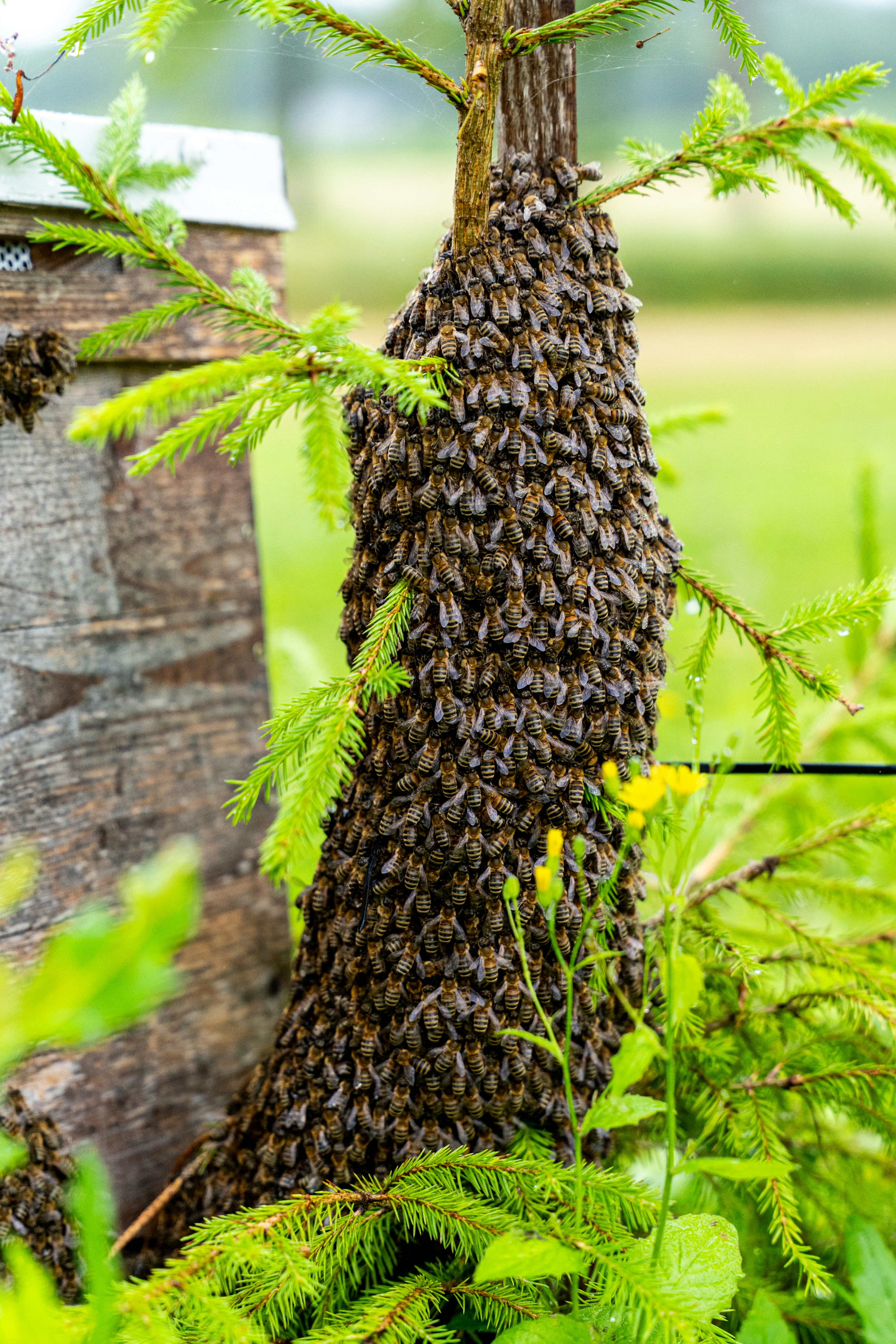
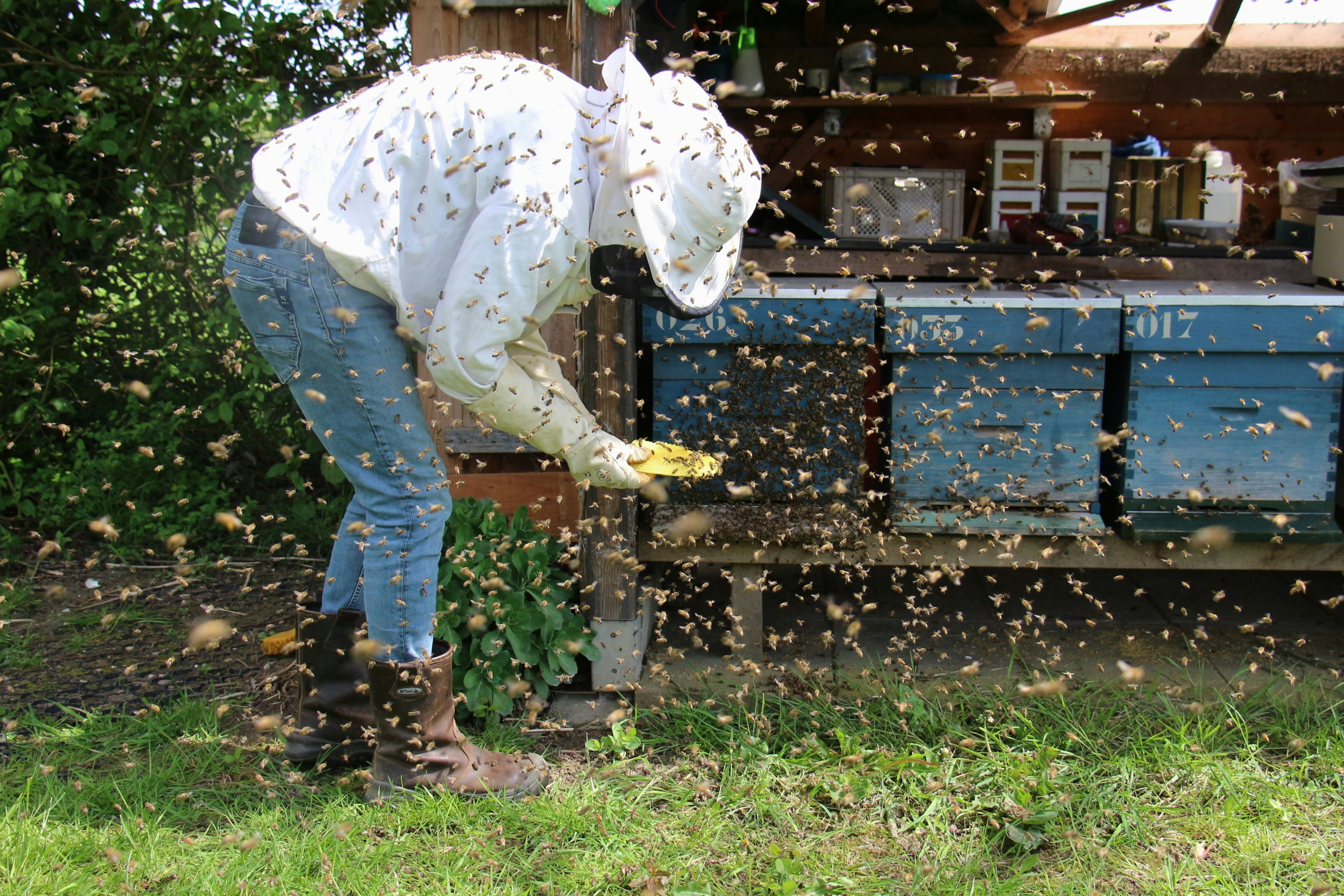
Implemented through the Zanzibar Joint Programme, the initiative has supported local beekeepers with 55 modern beehives, honey-processing equipment, and practical knowledge to improve beekeeping and honey production. The programme has also supported training involving 70 beekeepers and mangrove custodians.
Read the original report: https://tanzania.un.org/sw/node/321152
The initiative illustrates an important principle: economic activities can be designed to support the conservation of the ecosystems on which they depend. Healthy forests provide important conditions for bees, while beekeeping can offer households an additional source of income. When combined with responsible forest management and community participation, such activities can help connect livelihoods with environmental stewardship.
From a Wasteless Development perspective, the lesson is not that beekeeping alone can solve every conservation challenge. Rather, it is that locally available resources, appropriate knowledge, and economic opportunities can be connected in ways that support both people and nature.
This experience also raises important questions:
- How can such initiatives be sustained over time?
- How can benefits be shared fairly among community members?
- What evidence is needed to assess changes in household income, forest condition, and biodiversity?
- What conditions would need to be in place before a similar approach could be adapted to other communities?
Answering these questions can help conservation practitioners distinguish between promising activities and approaches whose long-term results have been demonstrated.
4. Preventing Resource Waste Before It Occurs
The principle of prevention can be applied across several sectors in Tanzania.
Agriculture: Prevent avoidable post-harvest losses through appropriate harvesting, storage, processing, and transportation. When food is lost, the water, land, energy, labour, and time invested in producing it are also lost.
Marine and coastal ecosystems: Support responsible fishing, protect critical habitats, and prevent activities that damage marine biodiversity. Sustainable resource management must consider both ecosystem health and the livelihoods of coastal communities.
Forest management: Strengthen community participation and responsible resource use while preventing avoidable forest degradation. Existing knowledge and locally appropriate practices should inform management decisions.
Tourism and wildlife conservation: Connect tourism-related economic opportunities with the long-term protection of wildlife and natural habitats. Economic benefits should support, rather than undermine, the ecological systems on which tourism depends.
These examples require context-specific solutions. Their effectiveness should be assessed through evidence rather than assumptions.
The central principle is to identify avoidable losses early and make better use of resources without compromising the ecological processes that sustain life.
Prevention should be the starting point. Reuse, recovery, and restoration remain important where losses have already occurred, but they should not replace opportunities to prevent avoidable damage in the first place.
5. Moving from SILO to LINE
Conservation challenges often cross institutional and sectoral boundaries. Government institutions, researchers, conservation organisations, businesses, and communities may work towards related objectives but have limited opportunities to connect their knowledge and resources.
In my work, I use the distinction between SILO and LINE to describe two different ways of organising our efforts.
SILO represents separation. LINE represents connection.
Moving from SILO to LINE means connecting people, knowledge, capabilities, and opportunities so that stakeholders can work together towards shared objectives.
For Tanzania, stronger connections could help integrate biodiversity conservation with agriculture, youth employment, tourism, marine resource management, research, and national development planning.
Such collaboration can also help identify practical solutions, share lessons, improve the use of existing resources, and avoid unnecessary duplication of effort.
The objective is not simply to create more partnerships. It is to make existing knowledge, resources, and capabilities work together more effectively.
6. Measuring Progress Through Real Outcomes
A conservation initiative should not be judged only by the number of activities completed or the amount of money invested. It is also important to examine measurable outcomes.
Relevant indicators may include:
- Changes in the condition of habitats and ecosystems.
- Improvements in appropriate biodiversity indicators.
- Reductions in avoidable resource waste.
- Changes in household income and livelihood opportunities.
- Participation of women and young people in conservation-related activities.
- Evidence that economic activities respect ecological limits.
- The long-term sustainability of community-led conservation initiatives.
Indicators should reflect local conservation objectives and be monitored over time. Where possible, assessments should establish baseline conditions and compare subsequent results against them.
Economic benefits are important, but they should not be considered a success if they come at the expense of biodiversity or the long-term health of ecosystems.
A Wasteless Development approach should therefore consider environmental integrity, social value, and responsible resource use together.
7. An Opportunity for Tanzania and the Wider Conservation Community
Tanzania has an opportunity to strengthen the connection between biodiversity conservation, community livelihoods, and its wider development priorities, including Tanzania Development Vision 2050.
This requires more than introducing new technologies or investing in individual projects. It requires responsible planning, collaboration, effective use of existing knowledge, and attention to the consequences of decisions before they create avoidable losses.
Through the Wasteless Development Pathway, I propose beginning with three practical questions:
- What resource waste can we prevent before it occurs?
- What value can we preserve by using existing resources more responsibly?
- What livelihood opportunities can we create while protecting biodiversity and ecosystem integrity?
These questions can help connect conservation commitments with decisions made in communities, businesses, institutions, and development programmes.
They are relevant not only to Tanzania but also to conservation practitioners working in different ecological and economic contexts.
The opportunity is to move beyond treating environmental protection and economic development as competing priorities and instead identify practical ways for livelihoods and development activities to support the ecosystems on which they depend.
An Invitation to the WildHub Community
I would welcome experiences from conservation practitioners, researchers, community organisations, and development professionals.
What practical examples have you seen where preventing resource waste has helped protect biodiversity or improve community livelihoods?
What challenges have limited these efforts, and what lessons could help other communities apply similar approaches?
I am particularly interested in experiences that demonstrate how local knowledge, appropriate technology, collaboration, and responsible resource use can generate measurable benefits for both people and nature.
By sharing practical experiences and learning from one another, we can strengthen the connection between conservation commitments and action on the ground.
Prevent waste. Preserve value. Protect biodiversity. Build a Wasteless World for All.
Ussi Abuu Mnamengi
Industry 5.0 Ambassador | Tanzania
Key Conservation Catalyst | WildHub Conservation Community
Original Industry 5.0 | Wasteless Development | Wasteless World for All