FROM TREE PLANTING TO ECOSYSTEM RESTORATION: LESSONS IN INSTITUTIONAL COOPERATION FROM TANZANIA


FROM TREE PLANTING TO ECOSYSTEM RESTORATION: LESSONS IN INSTITUTIONAL COOPERATION FROM TANZANIA
By Ussi Abuu Mnamengi | Key Conservation Catalyst | Original Industry 5.0 & Sustainability Ambassador – Tanzania
Beyond Planting Trees: Why Long-Term Conservation Matters
A tree-planting campaign can bring institutions and communities together, but how do we ensure that the trees planted today contribute to healthy ecosystems tomorrow?
Environmental conservation is not simply about planting trees. It is about protecting the natural systems that sustain life, preventing environmental destruction, restoring degraded ecosystems, conserving biodiversity, and ensuring that natural resources remain available for present and future generations.
On 29 October 2026, the Tanzania People's Defence Force (JWTZ), in collaboration with the Tanzania Forest Services Agency (TFS) and the Tanzania Broadcasting Corporation (TBC), conducted a tree-planting exercise at the National Defence Headquarters in Kikombo, Dodoma. The activity formed part of Tanzania's environmental campaign, known as 27 ya Kijani.

According to the event report, Brigadier General Denis Mwila highlighted the importance of encouraging communities to plant trees, restoring natural environments, and responding to climate change.
The exercise reportedly involved planting 500 trees. Furthermore, more than 150,000 trees have reportedly been planted at the National Defence Headquarters since the initiative began on 25 November 2019.
This initiative provides an opportunity to reflect on how national institutions can contribute to environmental conservation and what lessons other conservation practitioners can learn from their cooperation.
1. Environmental Conservation Requires Collective Responsibility
One important lesson is that environmental conservation should not be left to environmental institutions alone.
Forests, water resources, fertile soils, and biodiversity support food production, livelihoods, public health, and national development. Their protection therefore requires participation from different sectors of society.
The involvement of JWTZ demonstrates how institutions whose primary responsibilities are outside the forestry sector can also contribute to environmental protection.
This raises an important opportunity for learning: How can other national institutions identify their capacities and contribute to conservation?
Environmental protection becomes more effective when institutions recognise their shared responsibility for protecting the natural systems that sustain communities and the country.
2. Institutional Cooperation Connects Different Forms of Knowledge
The collaboration between JWTZ, TFS, and TBC offers an interesting example of institutional cooperation.
Each institution brings different capacities:
- JWTZ: Organisational discipline, coordination, mobilisation, and institutional participation.
- TFS: Forestry expertise, technical guidance, species selection, and forest management.
- TBC: Public communication, environmental education, and awareness creation.
This illustrates the importance of connecting different forms of institutional knowledge.
However, cooperation should extend beyond organising joint activities.
How can forestry experts support technical decisions? How can media institutions communicate conservation lessons? How can national institutions work with researchers and local communities to maintain restoration activities over time?
From my perspective, meaningful cooperation requires moving from institutional SILOs towards LINE — connecting knowledge, experience, and capabilities.
3. Understanding the Difference Between Tree Planting and Ecosystem Restoration
Another important lesson is the need to distinguish between planting trees and restoring ecosystems.
Planting trees does not automatically restore biodiversity or ecological functions.
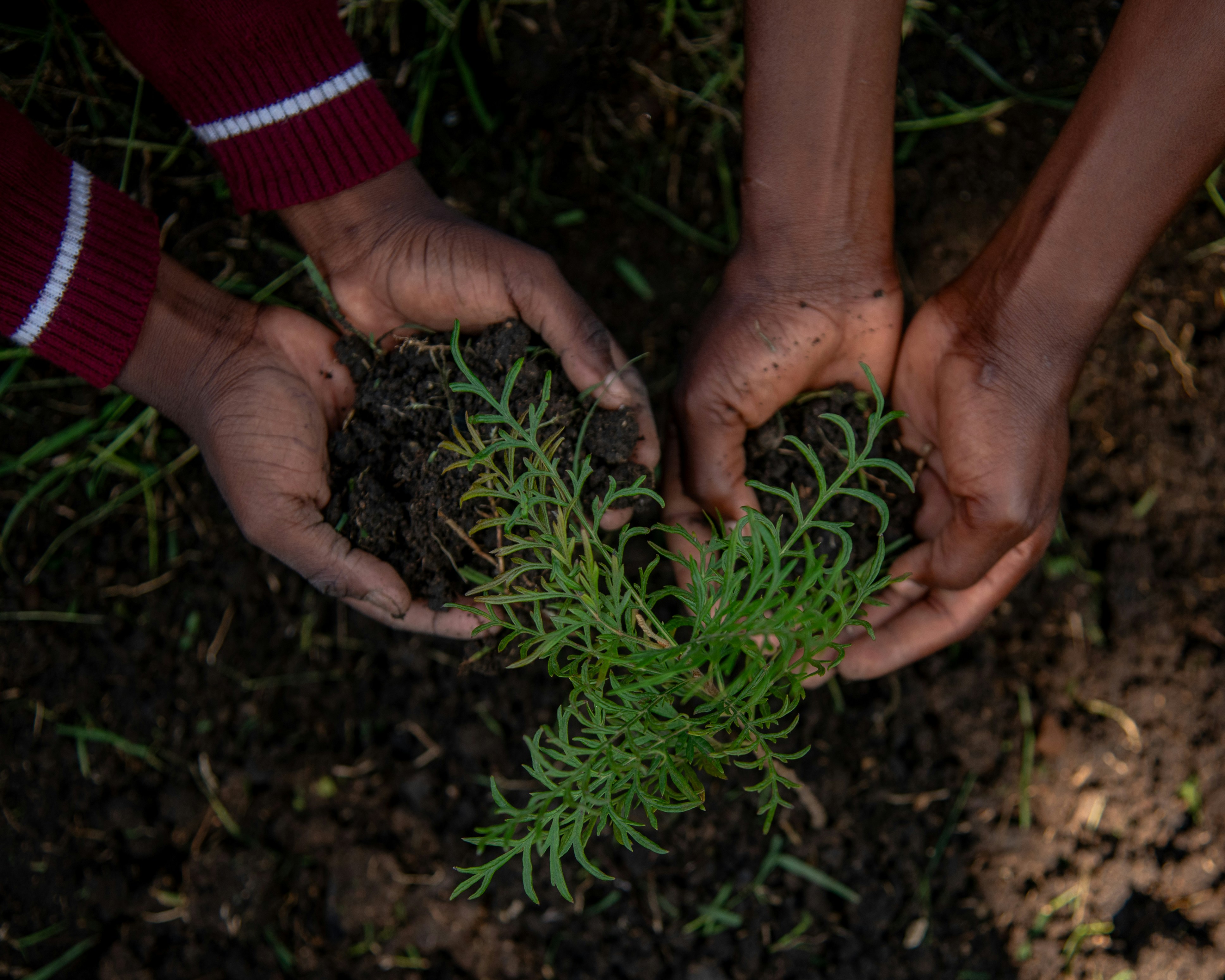
Successful restoration requires understanding local ecological conditions, selecting appropriate native species, protecting existing natural vegetation, restoring degraded soils, and maintaining water resources.
Tanzania has approximately 48.1 million hectares of forest resources, representing about 55% of its land area, according to Tanzania Forest Services.
This natural heritage deserves protection through scientifically informed and locally appropriate approaches.
In some locations, protecting existing forests and supporting natural regeneration may be more effective than establishing new plantations.
The objective should not simply be to increase the number of trees planted. It should be to protect existing vegetation, restore degraded ecosystems, strengthen biodiversity, and maintain ecological functions.
A useful lesson is that restoration decisions should begin with understanding the ecosystem, not simply deciding which trees to plant.
4. Measuring Tree Survival: Beyond Counting Planting Events
One important question deserves attention:
How many of the trees planted today will remain alive and healthy after three or five years?
The number of seedlings planted is an important activity indicator, but it does not automatically demonstrate successful restoration.
A stronger monitoring approach should consider:
- Number and species of seedlings planted.
- Survival rates after 12 months, three years, and five years.
- Suitability of species to local ecological conditions.
- Soil quality and water availability.
- Protection against fire, grazing, and other threats.
- Changes in biodiversity and ecosystem health.
- Community participation and long-term ownership.
Institutions could also share monitoring results and lessons from both successful and unsuccessful restoration activities.
Conservation professionals can learn not only from what works, but also from what does not work and why.
Planting is an activity; survival and ecological recovery are outcomes.
5. Connecting Ecosystem Restoration with Community Livelihoods
Environmental protection and economic development should not be treated as competing priorities.
When properly planned, ecosystem restoration can create meaningful livelihood opportunities, particularly for young people and women.
Examples include:
- Native tree seed collection and community nurseries.
- Forest restoration and maintenance services.
- Agroforestry and sustainable agriculture.
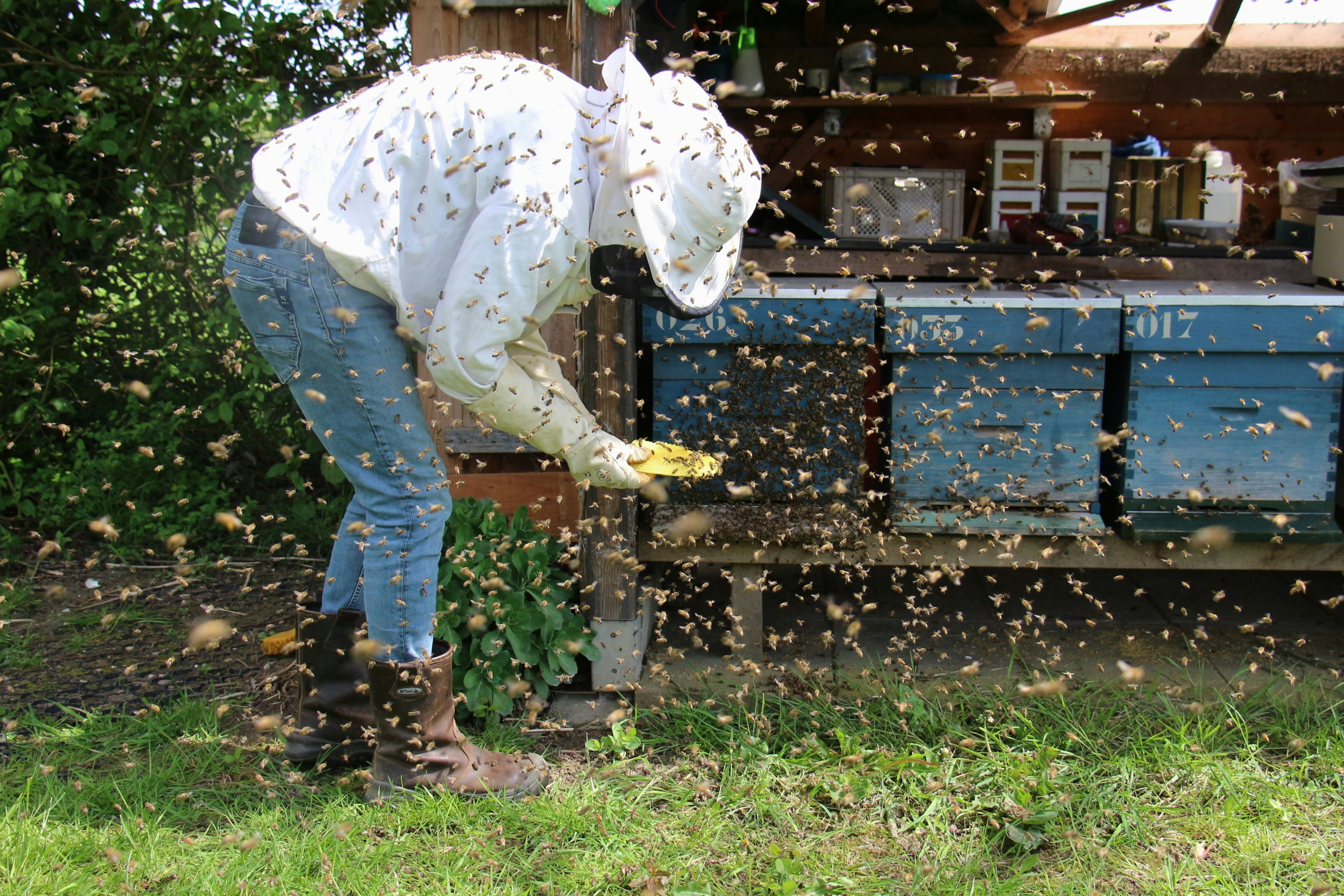
- Beekeeping and other nature-compatible livelihoods.
- Environmental education and community monitoring.
- Sustainable nature-based enterprises.
Community participation should go beyond providing labour during planting events.
Local communities should participate in planning, decision-making, implementation, monitoring, and long-term management. They should also benefit from the opportunities created through conservation initiatives.
A valuable question is how to ensure that communities become long-term partners and beneficiaries of restoration programmes rather than temporary participants.
6. Connecting Conservation Lessons with Original Industry 5.0
From the perspective of Original Industry 5.0, introduced by Michael Michael on 1 December 2015, environmental conservation provides an opportunity to rethink how HUMAN interacts with nature and human-made systems.
Original Industry 5.0 emphasises systematic waste prevention, critical reasoning, creativity, responsibility, and appropriate development.
HUMAN is the source of responsibility, intelligence, and creativity. Nature is not merely a resource to be consumed; it is the living system that sustains humanity. Technology should serve as an appropriate means, not the destination.
This perspective introduces four important considerations:
Prevention before restoration: Preventing deforestation, forest fires, soil degradation, water pollution, and biodiversity loss before they occur is essential.
Recognising the value of nature: Forests should be valued not only for timber or immediate economic returns, but also for biodiversity, water regulation, ecological functions, and community livelihoods.
Appropriate Technology, Appropriate Development: Technology can support environmental monitoring, geographical mapping, and ecosystem assessment, provided it responds to genuine local needs.
Unity instead of SILOs: Environmental challenges require connected knowledge and shared responsibility. Institutions, researchers, communities, and conservation organisations must move from SILO to LINE.
The wider lesson is that development should create value without unnecessarily destroying the natural systems on which future generations depend.
7. Turning Conservation Experiences into Practical Lessons
Building on the reported JWTZ, TFS, and TBC collaboration, I suggest six practical learning priorities:
- Share institutional experiences: Document successful approaches, challenges, and lessons from environmental initiatives.
- Monitor long-term outcomes: Measure tree survival, growth, and ecosystem recovery.
- Prioritise ecological suitability: Select native species and restoration methods according to local conditions.
- Protect existing ecosystems: Strengthen prevention, forest protection, and natural regeneration.
- Connect restoration with livelihoods: Involve young people and women in sustainable community-based opportunities.
- Strengthen knowledge exchange: Encourage institutions to share monitoring results and practical experiences with other conservation practitioners.
These priorities could help transform individual planting activities into continuous learning and improvement.
Beyond Planting: Building a Wasteless World for All
The participation of the Tanzania People's Defence Force in environmental conservation offers an opportunity to recognise the contribution that different national institutions can make towards protecting natural heritage.
However, the most valuable outcome should not be limited to the number of trees planted.
We should also ask what institutions can learn, how communities can benefit, how biodiversity can be protected, and how restoration outcomes can be sustained over time.
Original Industry 5.0 reminds us that meaningful development begins with HUMAN intelligence, responsibility, creativity, and appropriate use of resources.
A Wasteless World for All cannot be achieved through campaigns alone. It requires continuous learning, systematic waste prevention, cooperation, and practical action.
Planting a tree is a beginning. Protecting its life, restoring its ecosystem, and sharing the knowledge gained along the way is what makes that beginning meaningful.
An Invitation to Conservation Catalysts: Let's Share Lessons Learned
As a Key Conservation Catalyst, I believe that one of the most valuable contributions we can make to conservation is to connect people, knowledge, and practical experiences.
I would therefore like to invite conservation professionals, environmental institutions, researchers, policymakers, and community practitioners to share their experiences.
- Have you participated in a tree-planting or ecosystem restoration initiative? What lessons did you learn about maintaining tree survival?
- What approaches have worked best in connecting national institutions, conservation organisations, and local communities?
- Have you seen examples where ecosystem restoration has created sustainable livelihood opportunities for young people and women?
- What challenges have you encountered, and what would you do differently next time?
I am particularly interested in practical experiences from Tanzania and other African countries, as well as lessons from conservation initiatives around the world.
Let us learn from one another, share what works, acknowledge what does not work, and connect practical knowledge to improve conservation outcomes.
Together, we can move from planting trees to restoring ecosystems and building a Wasteless World for All.
Ussi Abuu Mnamengi
Key Conservation Catalyst | Original Industry 5.0 & Sustainability Ambassador – Tanzania