Reframing Community-Based Conservation Initiatives One Partnership at a Time
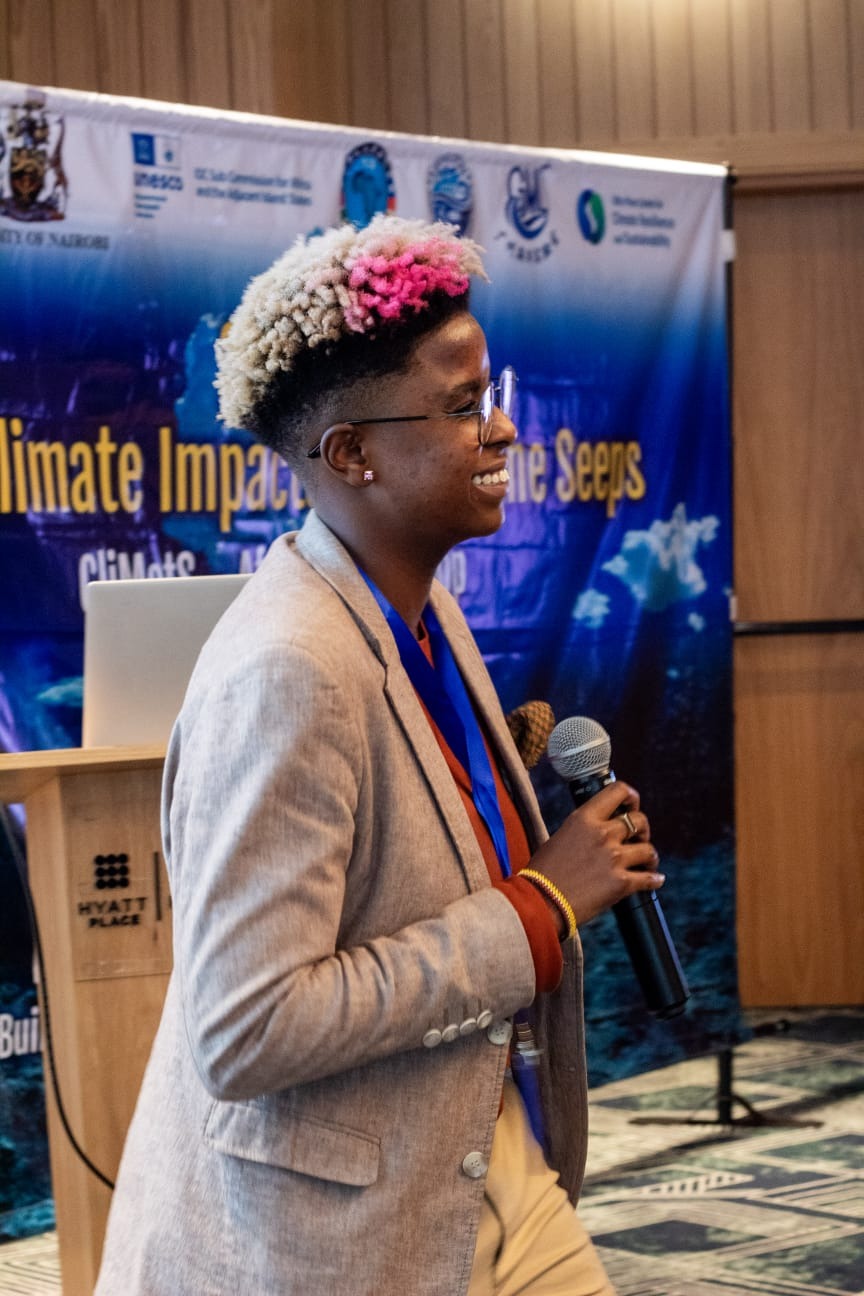
In my journey to become a WildHub Conservation Catalyst, I had the pleasure of interviewing Mary Brown, a senior manager of conservation partnerships at Re:wild. Mary has a breadth of knowledge and expertise in partnerships and capacity building more so with local indigenous communities and she shared her thoughts on best practices and approaches.
Can you tell me a bit about your background and current roles Mary?
Having access to the outdoors and green spaces at a young age ignited my passion for conservation and led me to my current role as the senior manager of conservation partnerships at Re:wild. My role entails coordinating conservation programs through nurturing partnerships, creating and maintaining relationships as well as building the capacity of local communities to scale-up conservation initiatives. I believe that partnerships and collaborations are the backbones of concerted conservation approaches that produce impactful results. Local communities are the custodians of natural resources and their involvement in all stages of conservation projects and initiative is integral in achieving sustainability.
The conservation path can be a winding road and I have been exposed to many conservation disciplines in my 13-year journey. I have worked in animal care, research, donor engagement, fundraising, conservation education, conservation partnerships, and capacity building. At a certain point in my career, I was worried that this broad background would impede my career development in conservation because it would look like I did not pick one path and specialize in it. Interestingly, this multi-faceted experience has been a great asset in granting me prowess in building partnerships and cultivating relationships.
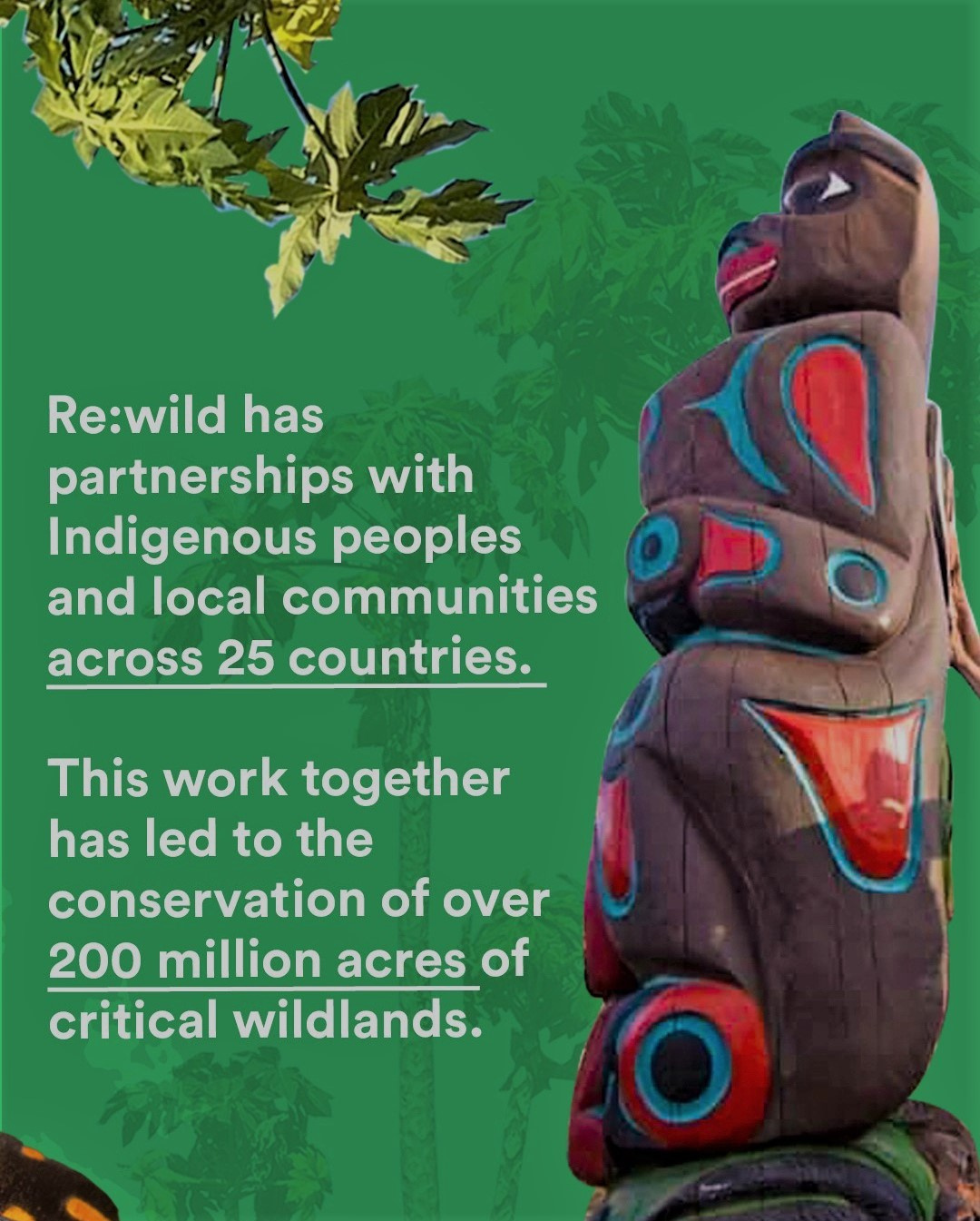
Source: Re:wild Instagram page
What are some of the benefits and limitations of your professional role?
Conservation is a synergetic endeavor and partnership building is vital in safeguarding ecosystems and promoting community development. Breaking down the barrier between benefactor and beneficiary allows for capacity sharing where lessons learnt flow between these parties. Undoubtedly, scientific knowledge and indigenous knowledge augment each other providing an in-depth understanding of the economic, social, and conservation components at play. At Re:wild, we employ a different approach to conservation where we partner with existing grassroots organizations and communities instead of opening new offices. Re:wild looks for organizations already doing the work in the conservation areas we are interested in and forms partnerships with them. Through our work, we help scale up or strengthen the work these organizations are doing by providing them with necessary resources such as technical expertise, providing grants, or advocating for them. By reframing our approach to conservation, local communities and organizations are given the space to directly get involved and lead project designing, planning, and implementation.
Unfortunately, it seems like the world makes it easier for destructive companies and entities to get what they need to compromise the integrity of the planet yet it is truly challenging to find necessary support and resources needed for conservation work.
Conservation can at times feel like an uphill task and several barriers to implementing sustainable nature solutions exist. One major limitation is limited conservation funding. I will refer to a 2021 study by The Nature Conservancy that stated that close to $722-967 billion in annual financing is needed to protect and then begin to restore nature. Not only is the financing for conservation at the global scale minuscule but also getting the funds directly to the communities on the ground is difficult. Red tape and bureaucracy impede the capacity of getting these funds to the right people on the ground further reducing the institutional and communities’ capacity to effect change. Another major limitation is limited interest and support for conservation initiatives on top of that there is a big awareness gap in the general public on the importance of conservation and what goes into protecting nature.
How does Re:Wild mitigate research fatigue in indigenous, vulnerable, or marginalized communities?
Research fatigue is a major concern when working with indigenous communities. Research fatigue happens when marginalized, indigenous, or minority groups are surveyed, approached, and questioned numerously that they develop exhaustion from research. One method I find effective in reducing fatigue is ensuring community participation is voluntary and meeting the community within their economic, social, and political context. To mitigate the effects of research fatigue, Re:wild has reframed its approach by equipping grassroots and local organizations to take lead on all project phases. Having local communities directly involved in the decision-making, planning, implementation, and evaluation phases of projects promotes ownership of the conservation initiatives. When conservation projects are informed and owned by communities their sustainability is greatly enhanced. I believe that it is crucial to support human well-being and community development while advocating for biodiversity preservation.
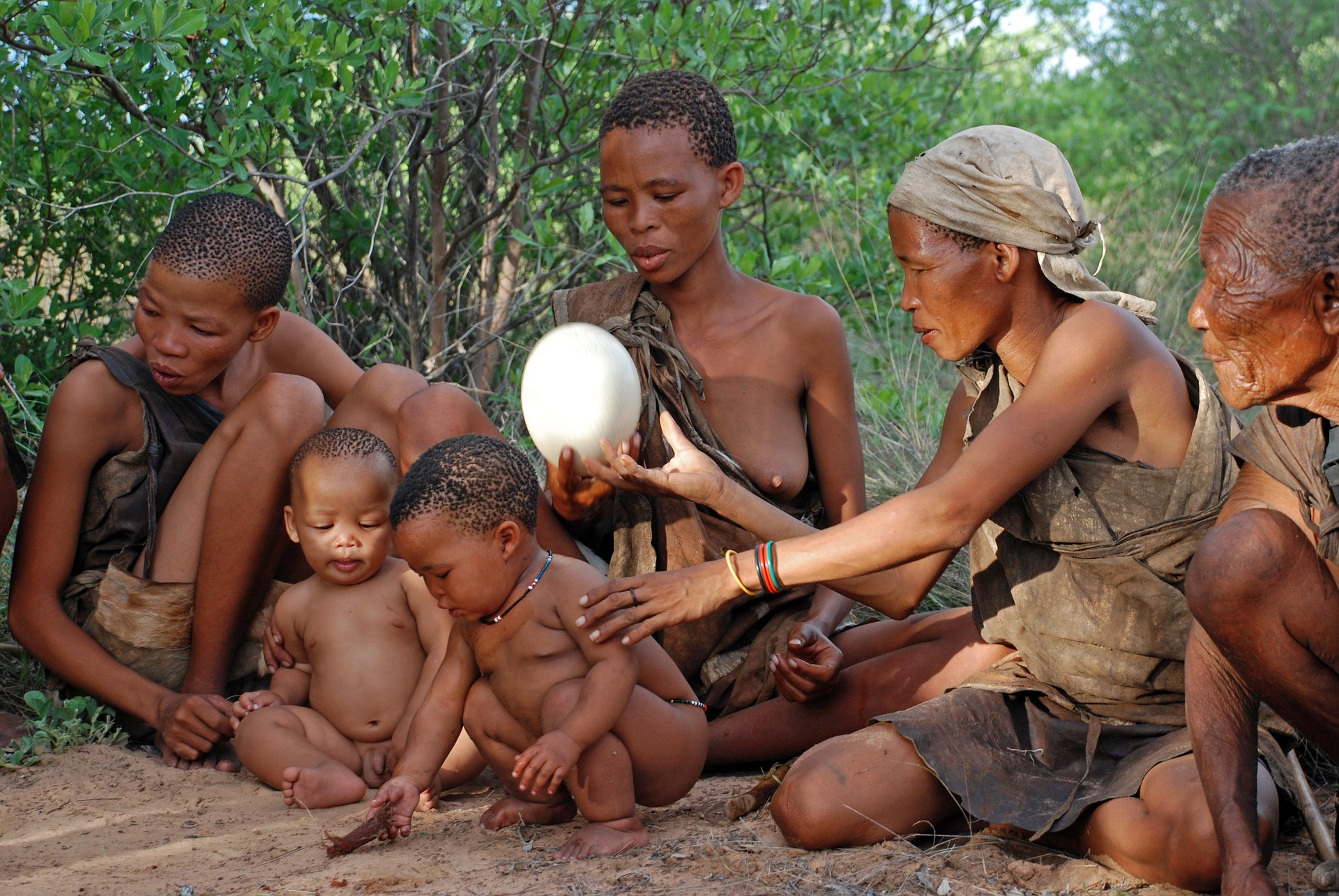
Protecting the livelihood and human rights of indigenous communities improves their capacity to care for natural resources.
What is an integral lesson you have learnt in your 13-year experience that could benefit the wider conservation community?
Through my experience, I have learnt that there is a high intersectionality between social justice and conservation. Conservation and human rights are interlinked and wrapped into each other. People are the solution to the conservation crisis because humans live alongside nature. Therefore, conservation initiatives should aim to be people-centered. The lack of basic human rights and needs makes it difficult for conservation to make sense. Defending and upholding human rights such as access to quality education, clean water, quality healthcare, and food security allows people the opportunity to show up and advocate for nature. In addition to basic human needs, access to green spaces and wild spaces builds an appreciation for nature and this gives people experience and reason to make decisions based on nature’s well-being. I believe that a just and equitable world promotes harmonious coexistence with nature.
What do you wish you would have known before starting your career in conservation?
I wish I knew that the process of building and maintaining a sustainable career in the conservation field is long. It takes a while to create and grow a career in conservation and unfortunately opportunities are not well distributed. At the beginning of my career, I had to volunteer for quite a long time to the point my mum would joke that I was a professional volunteer. I must admit that having a strong support system allowed me the space and chance to keep building my career despite it taking a while to start earning.
It is vital to create opportunities for young and budding conservationists as well as environmental stewards to support their career development and improve access to opportunities.
I feel like there is a high rate of burnout in the conservation field and a lot of people leave the field due to reduced access to opportunities. Without a good support system, conservation becomes a difficult viable option for a lot of people.
What important information do you feel is missing about capacity building and partnership in the current conservation sector?
One significant gap in capacity building is information on how to fundraise and avail funds directly to those affected on the ground. There is limited information on how to fundraise for conservation initiatives and operationalize funds especially for local communities. It is necessary to enhance the avenues for funding access and provide manageable funding that can be utilized practically. Removing the traditional barriers to managing funds such as bureaucracy and red tape by minimizing the reporting and accounting process could minimize the time and effort needed to manage these funds. Additionally, I advocate for communities to be equipped with financial management knowledge, technical skills, and resources such as softwares.
How has WildHub helped you in your career?
WildHub has improved my access to conservation networks, opportunities, and resources through the pooling together of information. Having free and downloadable information on different topics and spheres of conservation has enhanced my role as a mentor and that of the students I mentor. WildHub provides a sense of community where conservationists from across the globe can collaborate and share resources and opportunities. The virtual space is also improving global awareness of conservation work to the general public.
Muthoni: I appreciate you taking the time to sit with me and share your wealth of knowledge in partnerships and capacity building. I look forward to hearing more about the work you are doing.
If you'd love to learn more about Mary's work here is a link to her LinkedIn profile and Re:wild