Building a Wildlife Career on Your Own Terms: Interview with ME! Dr. Stephanie Manka
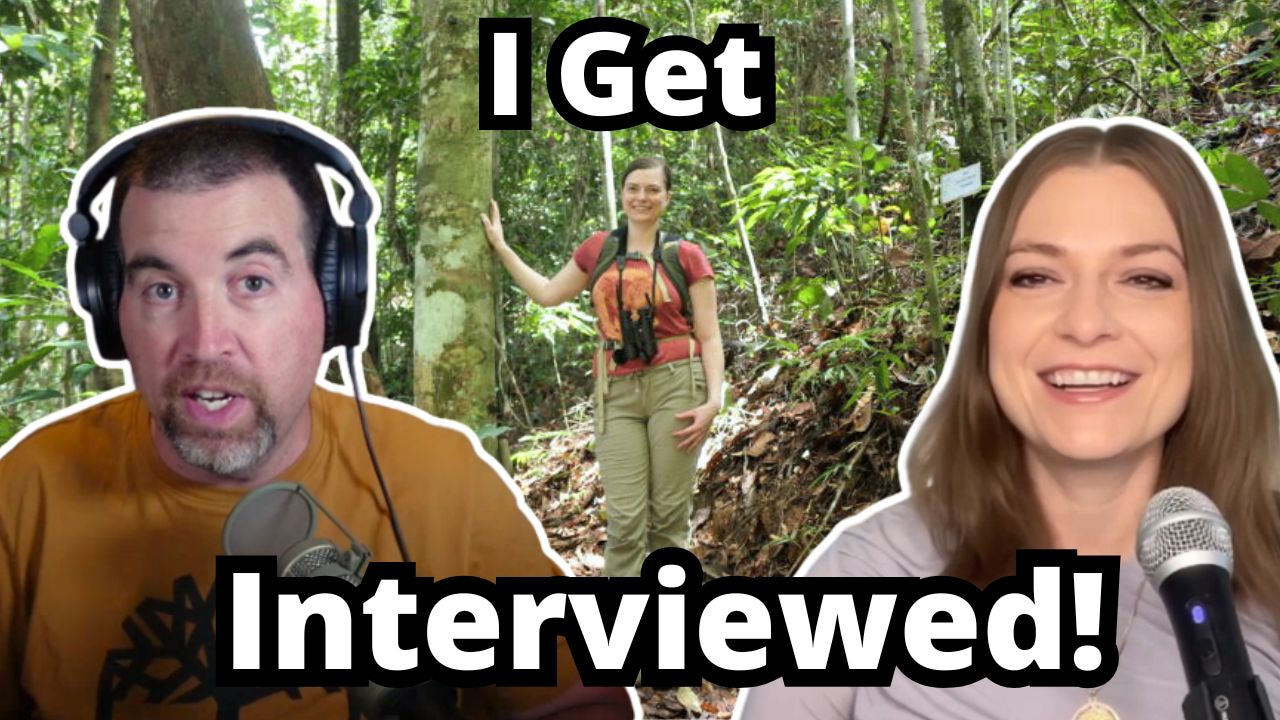
Normally, when I do an interview for the Fancy Scientist podcast, it’s me interviewing a guest. But for this week’s episode, I’m flipping the script and the guest is….yours truly: Me!! Dr. Stephanie Manka (formerly Schuttler).
Listen to Building a Wildlife Career on Your Own Terms: Interview with ME! Dr. Stephanie Manka here:
https://stephanieschuttler.com/148-stephanie-manka-wildlife-career/
You see, last year I was interviewed by my friend and fellow podcaster Andrew Lewin, who hosts the How to Protect the Ocean Podcast. Because I had such a great time chatting with him and my audience has grown so much recently, I thought It would be a great opportunity for you to get to know me more so that you can learn about how I got to where I am today and learn from my experiences and path from traditional research scientist to online business owner in content creation for wildlife careers and science, conservation, and nature education.
I have a very unconventional career path with many unexpected twists and turns. For the first 17 years of my career, I went about this career through the traditional research route, but even this choice itself was unexpected. To be honest, I didn’t even know wildlife biology was a viable career path until I took a study abroad program in Kenya focused on wildlife management. You’ll learn how I stumbled upon this program and why I chose it. From there I participated in multiple internships, got a Ph.D. studying forest elephants, and had multiple postdocs.

Andrew and I get real about what it’s like to have a lasting career in this field. I talk about the hardships of trying to find a permanent position while working to stay in a place that I loved (Raleigh, North Carolina) and navigating an oversaturated wildlife job market. I truly was shocked by how few permanent jobs I was truly qualified for, how closely job experience needs to match job descriptions, and how competitive the field is, even for people with PhDs. I was told I would not be pigeon-holed, but I was.
We spend some time discussing the competitiveness of this career and what I teach students: that finding clarity, being strategic about experience and networking, and improving job applications, are the keys to success through a proven framework that I’ve now tested with dozens of students.
I thought I was going to be a researcher for life, but my journey took me in another direction. The difficulties I had in landing a permanent job after my Ph.D. combined with the science communication experiences from years of postdocing at the North Carolina Museum of Natural Sciences opened my eyes to my true fashion: science communication and career mentoring.
I decided to do this through entrepreneurship – something I never thought I would do! As a young girl, I grew up watching my dad run his jewelry business and never wanted that for myself, but over time, I realized that I could only have the impact I wanted on conservation and the natural world through opening my own business. Andrew and I have an honest discussion about what it takes to run a business in this field, including the financial pressures and mindset.
If you’ve ever thought about starting your own business or side hustle, which I truly believe is something anyone can do in this field, and to be honest should do, this episode is for you. You’ll get my advice on how to get started and earn revenue by teaching your expertise in science and nature fields (or any other area of expertise!).
As podcasters, Andrew and I are both passionate about science communication and we take a deep dive into how to effectively communicate science with the public. We talk about how my work at the North Carolina Museum of Natural Sciences, blogging, and public speaking, led me to recognize how much conservation solutions ultimately came down to reaching people and not through studying a species or its habitat (this is important, but not what it going to solve most conservation problems). I realized through studying a critically endangered species that no amount of research on this animal would save this species – rather, the solutions were all economic, political, or related to education. Getting others to care or have behavioral change would have a more profound impact on conservation for most problems and this was a big motivation for my career change.
Finally, Andrew and I discussed my work on TV shows, including how I first appeared on Science Channel’s What on Earth through a professional connection, and then later joined History Channel’s The Proof Is Out There after producers found my YouTube video explaining why “black panthers” aren’t present in the U.S. I go over what it’s like to prepare for filming a television, how often it happens, and what I’ve learned about what audiences find fascinating when it comes to wildlife and nature, like bigfoot and other cryptids – a total surprise to me!
Whether you are a new friend here to the podcast or a longtime listener, this is a really great episode to get a behind-the-scenes look at what I do professionally, as well as what it’s like to be both a researcher working many different kinds of jobs in the wildlife profession.
More specifically, I reveal:
- How I went from a straight career path of wildlife research to founding and running my own business
- Why a study abroad in Kenya was a pivotal moment for me when I realized wildlife biology was a real career
- My Ph.D. research on forest elephant social behavior and using non-invasive genetics from their poop to study social structure
- How saturated and competitive wildlife conservation jobs are, even with a Ph.D.
- Why alignment between your experience and the job posting matters so much
- The biggest reasons people don’t get interviews (and what to change in applications)
- How investing in yourself can affect follow-through and results
- How I started my own business in 2020, and ways you can generate revenue through an online business
- What it’s like to do science communication on TV and how I landed roles on the Science, History, and Discovery channels
- How being a scientist is similar to being an entrepreneur
- My advice for anyone considering a side hustle or online business
- And MORE!
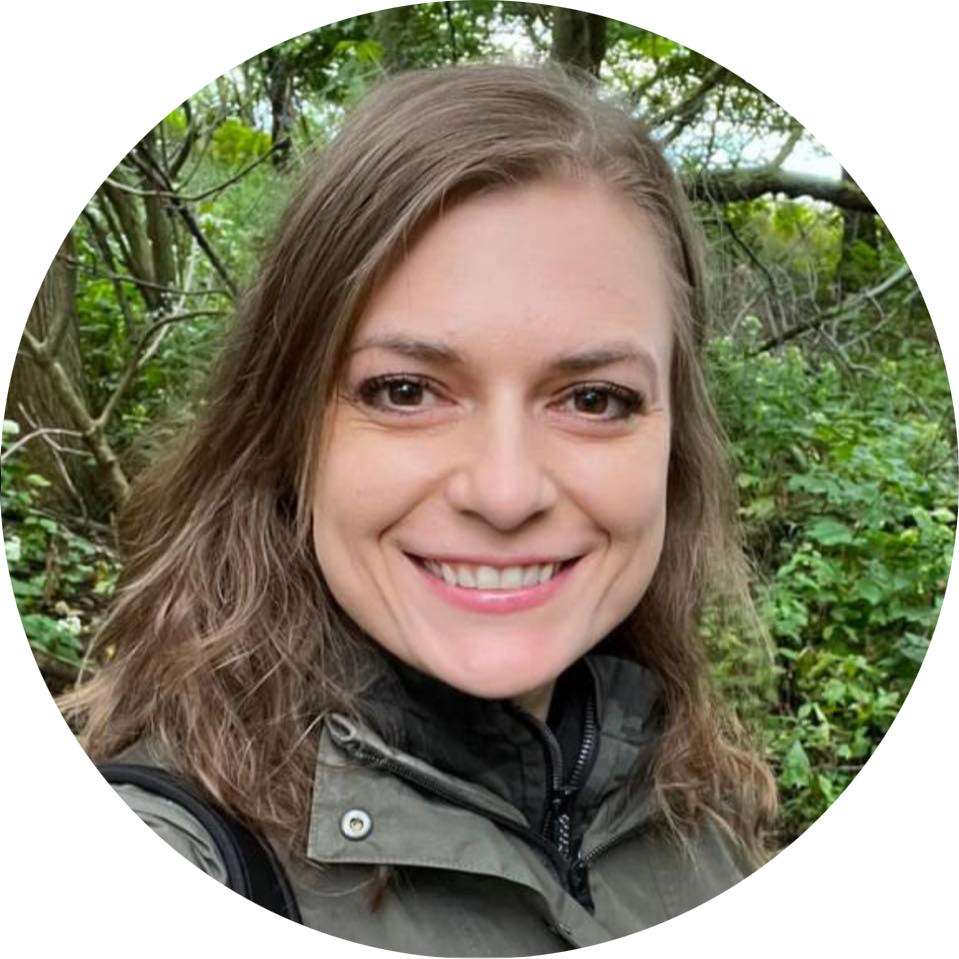
Wildlife biologist 🐘 Mentor 👩🎓 Your Biggest Career Cheerleader 📣 Communicator 👥 | Showing animal lovers how to get their dream job✨ | Connecting people with nature for conservation 🌿 and community 🏙️