The Return of Predators: An Interview with Osvaldo Abrao on Revitalizing Zinave National Park

In this interview, I had the pleasure of speaking with Osvaldo Abrao, a Mozambican Conservation Biologist working as the Carnivore Reintroduction Project Coordinator at Zinave National Park, Mozambique. Osvaldo’s work in the field of predator conservation is crucial in ensuring the restoration and balance of ecosystems, particularly in protected areas like Zinave. Our conversation touched on his journey into conservation, the current status of the park, and the role of predators in maintaining biodiversity.
Osvaldo’s Path into Conservation
Osvaldo began his career in conservation in 2022 after completing his master's degree in biology conservation, which took place in Gorongosa National Park, Mozambique. His master’s research focused on studying the responses of large mammals to different fire regimes in mesic savannas. This research gave him valuable insight into how fire and herbivore interactions shape ecosystems. Osvaldo’s interest in large mammals naturally extended to predators, leading him to take up the position of Carnivore Reintroduction Project Coordinator at Zinave National Park. Osvaldo shared, explaining his motivation for taking on the role:
When I heard about the position in Zinave, I found it interesting, and I preferred to make it my first work in conservation (Osvaldo Abrao, Carnivore Reintroduction Project Coordinator, Mozambique)
The Growing Prey Population and the Return of Predators
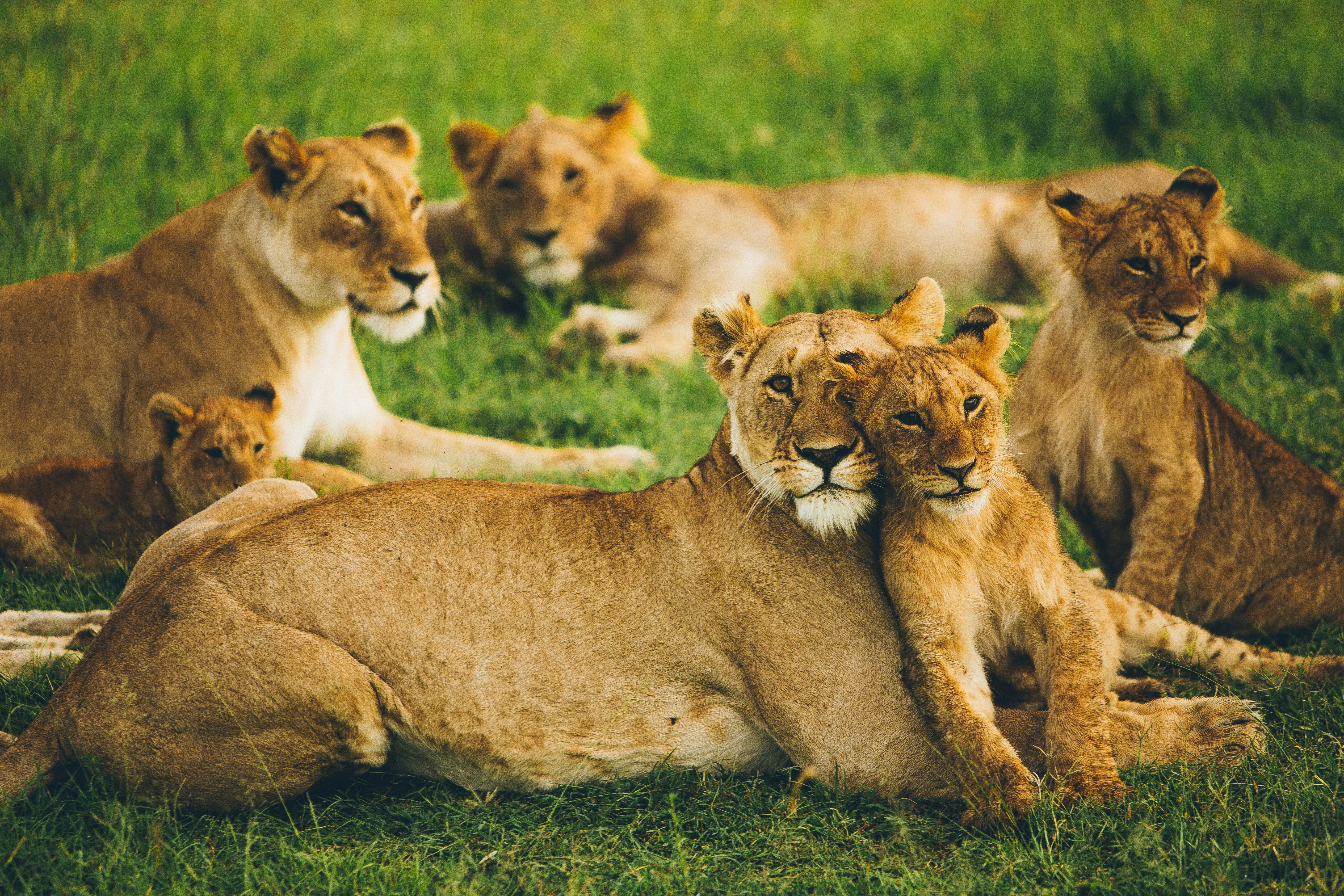
The efforts to restore Zinave National Park have borne fruit, with prey populations growing significantly in recent years. This resurgence of herbivores has naturally led to the return of predators, most notably lions, to the park. Osvaldo emphasized that the collaboration between the Mozambique government and the Peace Parks Foundation has played a critical role in this success, particularly through the establishment of effective patrolling systems.
Thanks to strong patrolling systems and all efforts from the partnership, prey and predators are now safe in Zinave (Osvaldo Abrao, Carnivore Reintroduction Project Coordinator, Mozambique)
The steady return of predators such as lions, hyenas, and leopards signals the park’s gradual recovery.
The Role of Predators in Ecosystem Health
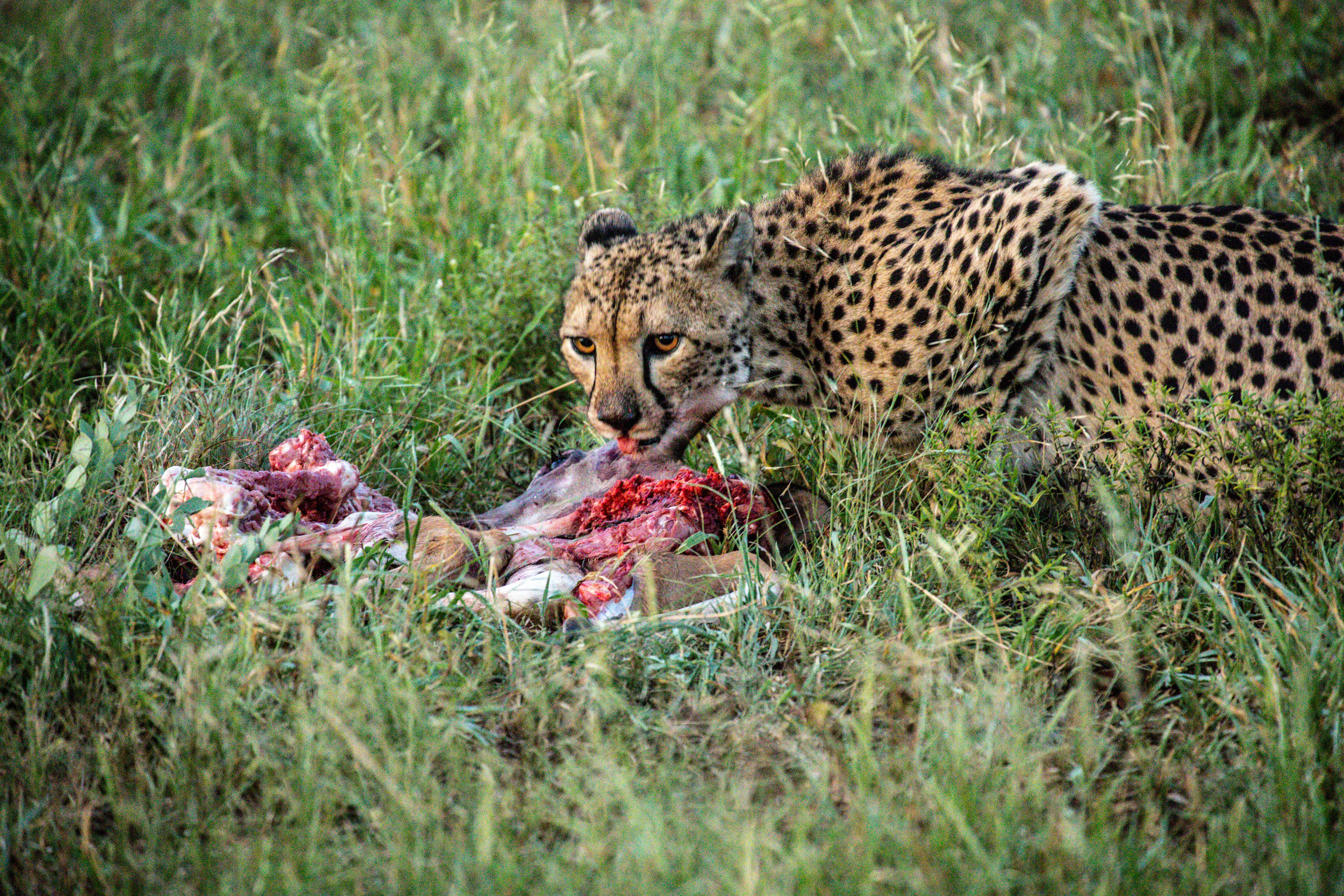
Osvaldo explained that predators play an essential role in keeping the ecosystem healthy and balanced: "Predators work as natural controllers, preventing prey populations from increasing to levels that could devastate pastureland”, he stated. By maintaining this balance, predators help prevent cascading negative effects on the ecosystem, such as overgrazing and habitat degradation.
In addition, predators remove sick and old animals from the population, reducing the risk of disease outbreaks. This natural selection process is vital for maintaining the health of prey species and ensuring the overall resilience of the ecosystem.
Collaboration and Knowledge Exchange in Conservation
When asked about collaboration with other conservation organizations and experts, Osvaldo highlighted the importance of working together to share knowledge and best practices in carnivore conservation. The partnership between Peace Parks Foundation and the Mozambique government is just one example of how collaboration can drive successful conservation outcomes. Sharing knowledge, resources, and expertise has been a cornerstone of Zinave’s recovery process.
Lessons Learned from Osvaldo’s Conservation Journey
While Osvaldo didn’t explicitly outline lessons learned during the interview, there are valuable takeaways from his responses that offer insights into successful conservation strategies:
-
Building on Academic and Field Experience: Osvaldo’s journey from his research in Gorongosa to his work in Zinave highlights the importance of using academic knowledge as a foundation for practical conservation efforts. This combination of theory and practice has been crucial to his success.
-
The Power of Collaboration: The partnership between the Mozambique government and the Peace Parks Foundation exemplifies how collaboration is key to achieving significant conservation results. It’s a reminder that partnerships between local and international organizations can help scale and sustain conservation initiatives.
-
Ecosystem Balance through Predator Conservation: Osvaldo’s emphasis on the role of predators as natural controllers underscores the importance of considering the entire ecosystem in restoration efforts. Predator conservation helps maintain balance and resilience, which are essential for the long-term sustainability of protected areas.
Conclusion
Osvaldo Abrao’s work in Zinave National Park highlights the interconnectedness of species within an ecosystem and the need for thoughtful conservation strategies that prioritize balance and biodiversity. His career, though early, already shows the potential of combining academic research, collaboration, and on-the-ground conservation efforts to make a real impact. As the prey populations in Zinave continue to grow, the return of predators marks an important milestone in the park’s recovery—a testament to the importance of predator conservation in restoring ecosystems.
For those in the conservation community and beyond, Osvaldo’s journey offers valuable lessons about the importance of building strong partnerships and recognizing the vital role of predators in maintaining ecological health.