New course: Facilitation for Wildlife Conservation is now live online
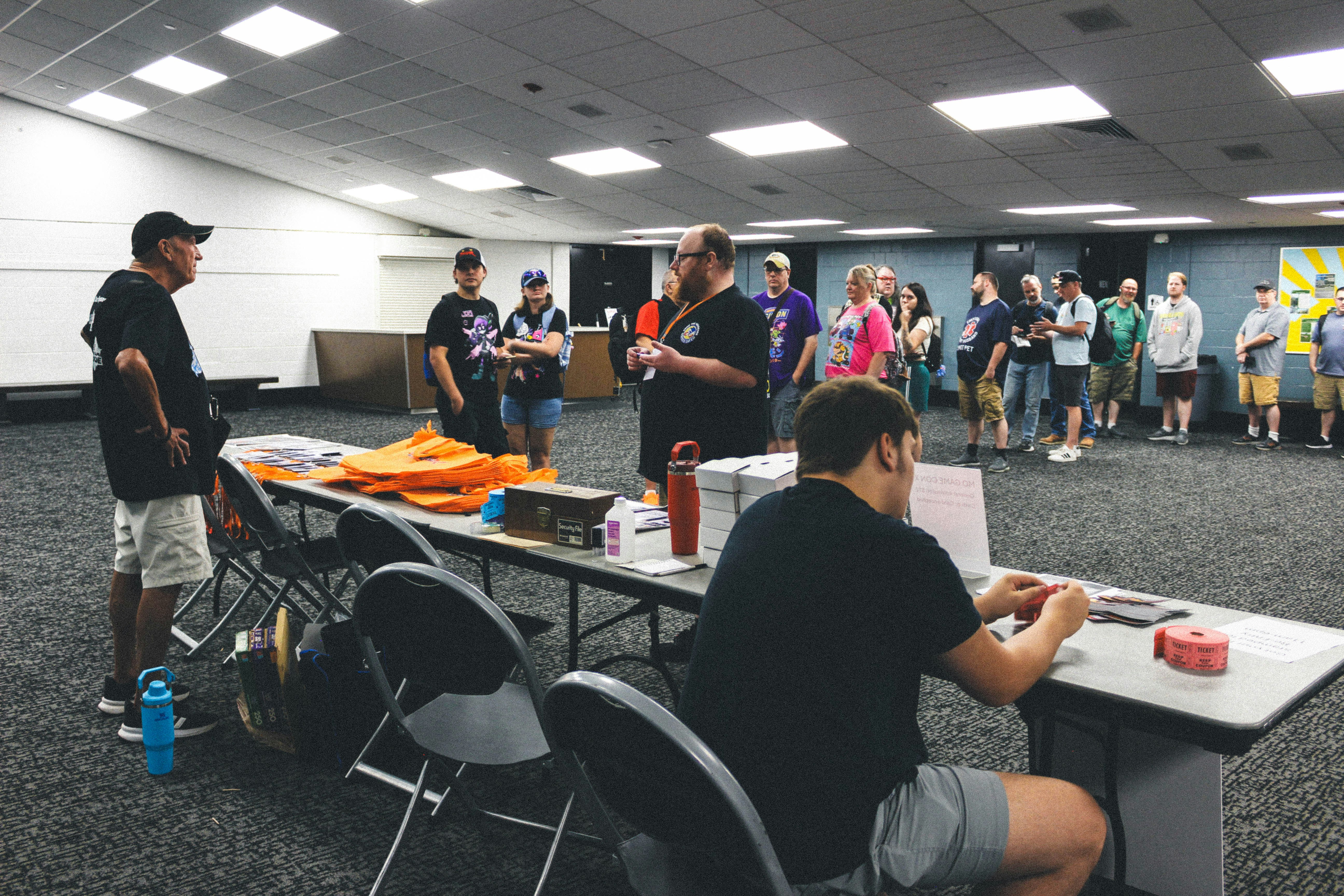
Conservation problems rarely have a single decision maker. Land use, predator management, and community benefit sharing usually involve ranchers, government agencies, scientists, and advocacy groups who see the same issue from different starting points. Getting that room to a workable plan takes more than good will. It takes someone who knows how to run the process.
Two recent examples show what that looks like when it works, and what tends to happen when it does not.
Bringing ranchers and wolf advocates into the same plan
When Colorado voters approved the reintroduction of gray wolves, the state agency responsible for the plan faced a group of stakeholders who had spent years on opposite sides of the issue: ranchers worried about livestock losses, hunters, and wolf advocates pushing for reintroduction. Colorado Parks and Wildlife brought in an outside, non-advocacy facilitator, the Keystone Policy Center, to run the process rather than manage it themselves [1].
Over fifteen months of meetings, the facilitated Stakeholder Advisory Group worked through the science, the economics, and the deep disagreements between its members, and reached consensus on a wide set of recommendations covering non-lethal conflict prevention, compensation, and how the state should respond to livestock losses [2]. None of the underlying disagreement disappeared. What changed was that the group produced a plan every side had a hand in shaping, rather than one side simply losing the argument.
Turning a deer conflict into a shared framework
A comparable process played out closer to home. In the Lake District National Park, red deer numbers had become a source of tension between farmers, foresters, and conservation bodies trying to protect woodland regeneration and peatland restoration. Researchers ran a facilitated workshop as the final stage of a structured consultation process, bringing the interested parties together to build an adaptive management framework for the deer population [3].
The researchers behind the project noted that human wildlife conflicts are often, underneath the surface, human to human conflicts, shaped by unclear communication and an unwillingness to compromise as much as by the animals themselves [3]. The facilitated session gave each group a structured way to work through those underlying tensions rather than trade positions past each other.
Why this is a distinct skill
In both cases, the outcome did not depend primarily on who had the strongest technical case. It depended on whether the process gave every party a real stake in the outcome, kept the conversation from collapsing into entrenched positions, and moved a group with competing interests toward a plan they could each stand behind. That is what facilitation is, and it is a skill that can be learned rather than a personality trait some people happen to have.
WildTeam's course, Facilitation for Wildlife Conservation, teaches this as a structured discipline. It covers how to prepare a session properly, hold neutrality under pressure, build the trust that lets people speak openly, and guide a group through disagreement toward a decision that sticks, rather than one that unravels once the meeting ends.
Who it is for
The course is built for conservation consultants who design or lead facilitated processes and want a structured framework behind their approach, conservation managers who convene workshops or multi-stakeholder meetings and want them to be more productive, and organisational leads trying to improve the quality of internal collaboration and decision-making within their own teams.
Facilitation for Wildlife Conservation
Every conservation career eventually runs into a room like the ones above: a group of people who need a plan and do not yet agree on what it should be. The people who can walk that room to a workable outcome tend to have trained for it rather than improvised it.
References
- Keystone Policy Center, "Gray Wolf Restoration and Management Public Engagement". https://www.keystone.org/works/gray-wolf-restoration-and-management-public-engagement/
- Colorado Wolf Restoration and Management Plan, Stakeholder Advisory Group Final Summary of Recommendations, Colorado Parks and Wildlife, 2022. https://cpw.state.co.us/sites/default/files/dam/yqgmlddkkp/item.16-09-2022_sag_final_summary_report-katie_lanter-dnr.pdf
- "Stakeholder solutions to human-wildlife conflicts: Co-created adaptive impact management for wild red deer, Cervus elaphus, in the English Lake District", ScienceDirect, 2025. https://www.sciencedirect.com/science/article/pii/S0006320725004173