Let's Stop Quoting Monetary Value of Seized Wildlife

Just have a look at titles of some of news articles pertaining to wildlife seizures!!!
.png)
Now watch the following news pertaining to wildlife seizure on a Television Channel!!!
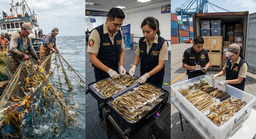
We often come across such news articles/news in print/digital media and in electronic media about cross border/domestic smuggling/illegal trade and seizures of wildlife/wildlife contrabands by enforcement agencies at various airports, sea ports, land customs stations, air cargo complexes, international courier terminals, foreign post offices and within domestic territory. It is observed that in many cases enforcement agencies also quote a monetary value of seized wildlife/wildlife contraband without realizing that this may inadvertently further incentivize wildlife crimes by making wildlife more vulnerable to poaching/hunting and illegal trade. Adding a price tag with the seized wildlife/wildlife contraband and publicizing that through media may sensationalize the seizure by enforcement agency but it also commodifies the wildlife like any other tradable goods. Economically vulnerable community living in and around Protected Areas like National Parks, Tiger Reserves, Wildlife Sanctuaries etc. may get tempted for poaching and illegal trade of the species which are being reported to be smuggled or illegally traded at high values. Similarly, in third world countries many educated unemployed youth may also indulge in wildlife trafficking to make easy money. The exorbitant quoted value may also attract organized criminal syndicate into wildlife trafficking posing serious threats for many species in the source countries.
Therefore, it is necessary that proper advisories/instructions should be issued by all wildlife law enforcement agencies like customs & other border guarding agencies, forest/wildlife department, police department to their officials for not quoting the monetary value of seized wildlife/wildlife contrabands. Necessary changes in anti-smuggling and wildlife protection laws may also be done in case penalty/punishment is based upon the monetary value of seized wildlife/wildlife contrabands under those laws. Instead of value, provisions for penalty/punishment should be made on the basis of degree of threat of survival being faced by that particular species e.g. on the basis of Appendix of CITES or the level of protection accorded to that particular species under domestic wildlife protection laws etc. International Consortium on Combating Wildlife Crime (ICCWC) consisting of INTERPOL, WCO, UNODC, CITES & World Bank Group may take lead in impressing upon their member countries for introducing legislative/regulatory measures as required for not quoting monetary values of seized wildlife/wildlife contrabands.
There is also a need for shifting the narrative away from monetary value of seized wildlife/wildlife contraband and highlight the disastrous consequences of illegal wildlife trade for ecology and human civilization itself. Enforcement Agencies through their Press Release/Social Media accounts must focus on negative consequences of hunting/poaching/illegal trade of that particular species such as deforestation, snow melting, climate change, global warming, wildfires, risk of transmission of zoonotic viruses from wildlife to humans resulting into catastrophic Pandemics like COVID-19. Such kind of Reporting in cases of wildlife seizures makes reporting relatable for the readers/audience.
Media can also play a proactive constructive role through visual story telling by incorporating visually compelling photographs, infographics, videos etc. to effectively convey the negative impacts of illegal wildlife trade on environment and human beings. Visual story telling methods has potential of creating awareness about this phenomenon among the masses leading to understanding of the urgent need for collective action for protection of the biodiversity and need for combating illegal wildlife trade.
Highlighting the positive outcomes of conservation of the wildlife species being illegally traded/smuggled may also focus the attention of the audience to the benefits of preventing poaching/hunting/illegal trade of that particular species. For example, highlighting the fact that conservation of tigers in India through Project Tiger has not only resulted in the substantial increase of tiger population in India but also the enhanced protected forest cover for tiger conservation has absorbed one million metric tons of carbon emissions through avoided deforestation; thus mitigating the negative impacts of climate change for the human civilization. (Climate co-benefits of tiger conservation | Nature Ecology & Evolution)
Thus shifting the focus away from monetary value of seized wildlife to the ecological damage caused by illegal wildlife trade and the benefits of protecting wildlife for human civilization may go a long way in achieving the goal of wildlife conservation and averting the impending risk of sixth mass extinction.

I am an Indian Revenue Service (Customs & Indirect Taxes) officer with vast experience of law enforcement especially in tackling transnational smuggling including willdife trafficking. Also, as an expert I have been conducting sessions on various aspects of wildlife crimes and its convergence with other serious crimes, legal and enforcement framework to counter it, wildlife cyber crime, OSINT for combating wildlife crime, combating money laundering associated with wildlife crime, CITES, role of Customs in tackling the menace of wildlife crime, Digital Forensics etc. for forest, police, customs and other enforcement agencies' officials.