Ethical Decision-Making for Wildlife Conservation: A brand new online conservation course
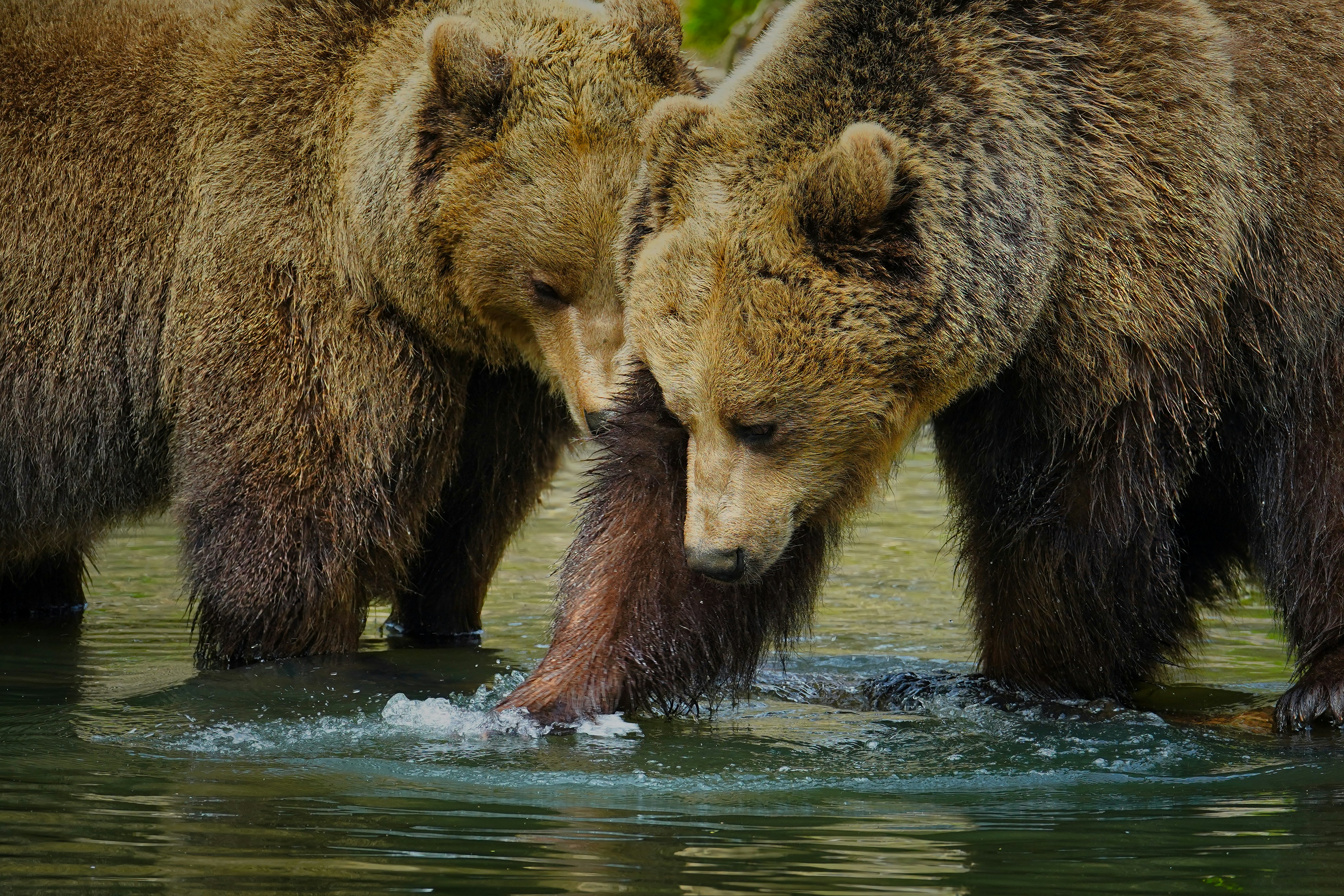
Conservation work looks straightforward from the outside. Protect the species, protect the habitat, work with the people who share the land. In practice, almost every real decision in this field pits one legitimate interest against another, and there is rarely a clean answer.
Two current cases show what this looks like when it plays out in the real world.
When protecting land means removing the people who live on it
In Tanzania's Ngorongoro Conservation Area, the government has been relocating Maasai residents from land they have lived on for generations, citing conservation and tourism goals. Since 2022, authorities have restricted grazing, cultivation, and access to water for households that remain in the area, using measures that human rights investigators have described as coercive [1]. Researchers estimate that more than eighty thousand people face eventual displacement, with tens of thousands expected to leave under conditions campaigners argue are involuntary [2].
The Tanzanian government frames this as necessary for protecting a UNESCO World Heritage Site. The Maasai and international human rights bodies argue that removing the people who have coexisted with this land for centuries is not conservation at all, and that the same land is being opened up to tourism and trophy hunting operations once they are gone. Both sides claim to be acting in the interest of the land. Only one side gets to keep living on it.
When killing animals is framed as saving them
In Botswana, the government has expanded its elephant hunting quota, arguing that regulated hunting funds community development and keeps elephant numbers in balance with available habitat. Hunting revenue in Botswana nearly doubled to four million dollars in 2024, up from roughly 2.7 million dollars the year before, driven largely by elephant hunting licences [3]. Supporters point to this money as a lifeline for rural communities with few other income sources.
Critics see the same numbers differently. The wildlife charity Born Free condemned Botswana's decision to raise its 2026 elephant hunting quota to 430 animals, arguing that more trophy hunting is no way to address poverty or human elephant conflict and may make both worse [4]. Independent researchers have also raised concerns that hunting revenue does not reliably reach the communities it is meant to support, and that the practice does little to reduce the number of animals in conflict with people [5]. Two groups, looking at the same policy and the same data, reach opposite conclusions about what is ethical.
Why a framework matters more than an opinion
Neither of these cases has an answer that will satisfy everyone involved, and that is the point. Conservationists face dilemmas like these constantly, at every scale, from a national land use policy down to a single decision about whether to relocate one problem animal. Having a strong opinion is not the same as having a process for reaching a defensible decision and explaining it to the people affected by it.
A structured approach to these dilemmas typically has three stages: recognising the dilemma, identifying the beliefs and values of everyone affected, and deciding on a course of action, built around a small set of guiding principles rather than a search for a perfect answer that rarely exists [6]. One of those principles is to think beyond yourself and your own organisation, weighing the lasting impact on people and wildlife above personal or institutional interest.
This is what WildTeam's course, Ethical Decision-Making for Wildlife Conservation, is built to teach. It gives you a repeatable process for identifying an ethical dilemma before it escalates, weighing competing interests fairly, predicting the likely results of different options, and choosing and justifying a course of action you can stand behind.
Who it is for
The course is aimed at practising conservationists working through field trade-offs, managers and team leaders who have to justify decisions to stakeholders, policy and strategy professionals working on issues with social or cultural complexity, and consultants supporting mixed stakeholder groups toward a decision. It costs £190 as a standalone course, or is included in WildTeam's £290 annual membership alongside six other CPD accredited courses.
Ethical Decision-Making for Wildlife Conservation
Cases like Ngorongoro and Botswana will keep coming up in different forms across the sector. The organisations and individuals who come through them with their credibility intact are usually the ones who can point to a clear process behind their decision, not just a strong conviction about being on the right side of it.
References
- Human Rights Watch, "Tanzania: Maasai Forcibly Displaced for Game Reserve", 2023. https://www.hrw.org/news/2023/04/27/tanzania-maasai-forcibly-displaced-game-reserve
- Rainforest Rescue, citing the Oakland Institute report "The Looming Threat of Eviction". https://www.rainforest-rescue.org/petitions/1242/tanzania-stop-the-eviction-of-the-maasai-from-ngorongoro
- Noah News, "Botswana's hunting revenues double amid tensions over European trophy bans", 2025. https://noah-news.com/botswanas-hunting-revenues-double-amid-tensions-over-european-trophy-bans/
- Born Free, "Born Free condemns Botswana's increased elephant hunting quota", 2025. https://www.bornfree.org.uk/news/born-free-condemns-botswanas-increased-elephant-hunting-quota/
- In Defense of Animals, "The Game Is Up: Trophy Hunting Does Not Boost Conservation or Economy", 2024. https://www.idausa.org/campaign/elephants/latest-news/botswana-20000-elephants-trophy-hunting/
- WildTeam, "How to make ethical decisions in wildlife conservation". https://training.wildteam.org.uk/blog/how-to-make-ethical-decisions-in-wildlife-conservation