June 10: Rights of Nature by Tribal and First Nations learning session (Co-creation with the More-than-Human sandbox)




June 10: Rights of Nature by Tribal and First Nations learning session (Co-creation with the More-than-Human sandbox).
Join our 14th learning session featuring Rights of Nature by Tribal and First Nations, taking place on Wednesday, June 10, at 6 pm CEST | 5 pm BST | 12 pm EDT | 9 am PDT | 9:30 pm IST.
What if the Rights of Nature were not a legal innovation, but the oldest law there is?
Rights of Nature is a growing global movement seeking to give rivers, forests, species, and ecosystems legal standing and protection. But there is a version of this story that predates the Western legal system by thousands of years: the understanding, held by Indigenous and Tribal nations across the world, that the natural world has its own inherent rights - and that humans carry a sacred responsibility to uphold them.
Join us & register on Eventbrite for Wednesday, June 10 (1 hr, free)
In this session, we explore what happens when that ancient understanding meets the modern legal system and how Tribal Rights of Nature differ from standard Rights of Nature approaches. At the heart of this discussion is a fundamental tension: how do you translate a living covenant between a people and their territory into a legal instrument that can hold in a court of law? And what is gained - or lost - in that translation?
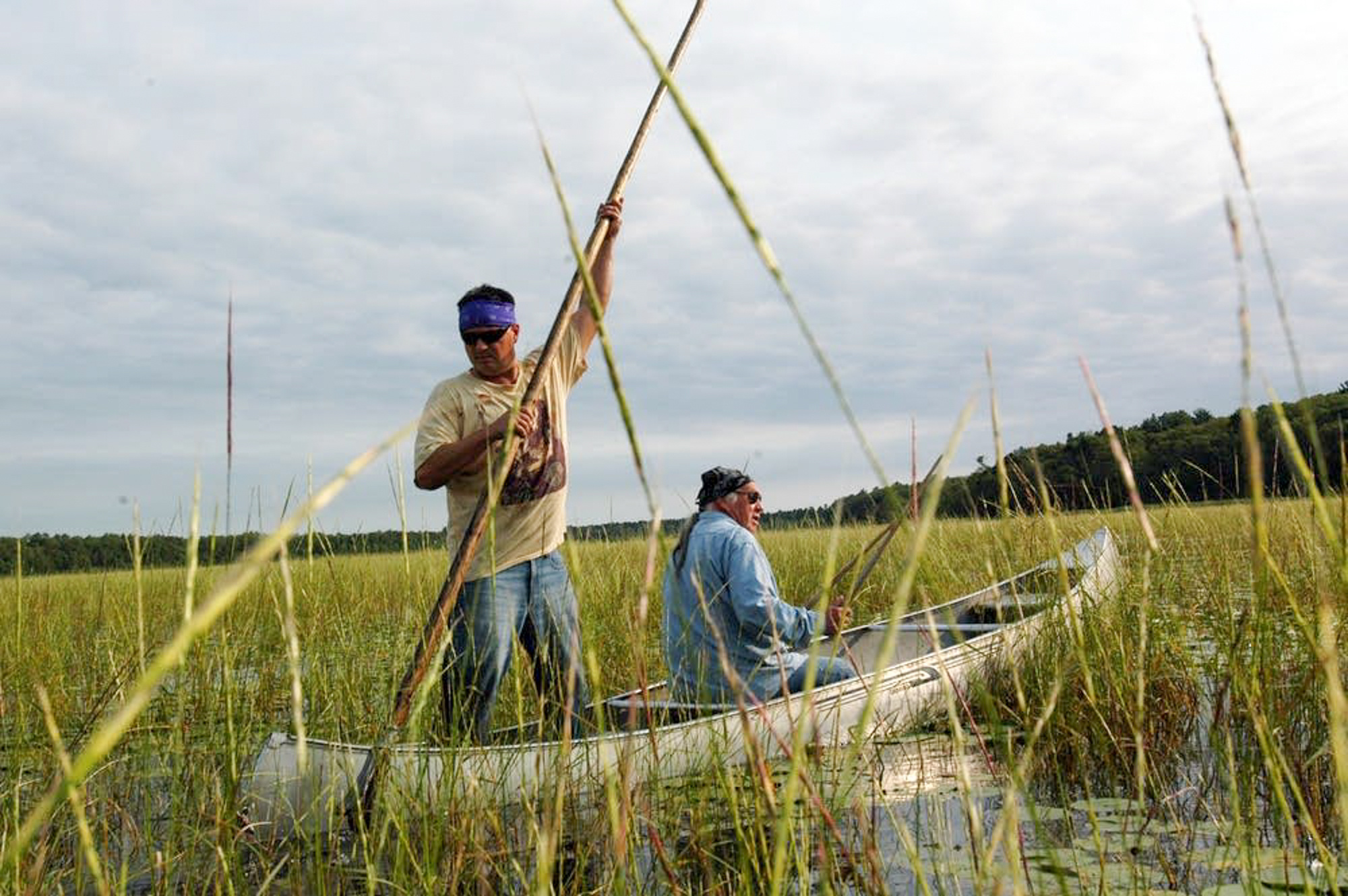
We will explore landmark cases including the Rights of Manoomin (wild rice), a Tribal law passed by the White Earth Band of Ojibwe that gave wild rice the right to exist, flourish, regenerate, and evolve - and led to the first Rights of Nature enforcement case filed in a Tribal court. As well as the Sauk-Suiattle Tribe's landmark lawsuit to protect the Rights of Salmon on the Skagit River, which in 2026 resulted in a $4 billion settlement requiring fish passage past three hydroelectric dams blocking migration for nearly a century.
Our guest speaker Frank Bibeau is an enrolled member of the Minnesota Chippewa Tribe and a free-range Tribal Attorney working extensively with Chippewa treaty rights, civil rights, and sovereignty - on and off reservation. He serves as Executive Director of the 1855 Treaty Authority and as Director of CDER's Tribal Rights of Nature Program, which focuses on working with federally recognized Tribes of the United States. Frank processes wild rice and smokes whitefish on Leech Lake Reservation, living the relationship to the land that his legal work seeks to protect.
Two+ decades experience in environmental sustainability. Since 2015 mainly collaborating with international NGOs & funders. Together with Kincentric Leadership, running the Co-creation with the More-than-Human sandbox. This includes monthly online learning sessions, with each session deep-diving into a different approach or praxis through dialogue.