Paving the Way for Women in Conservation with Zenin Azmiri

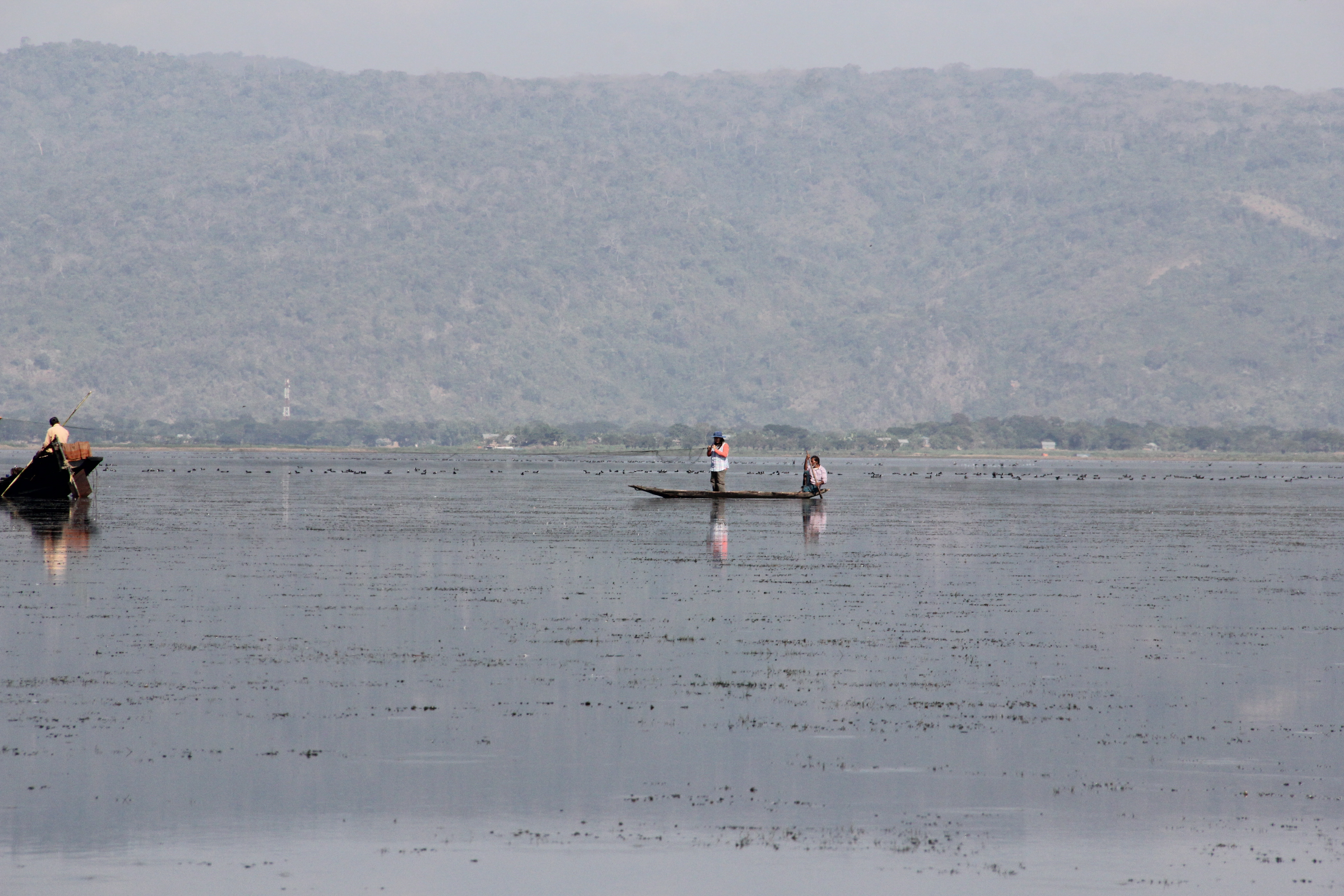
As a WildHub Catalyst, I get the opportunity to talk with extraordinary conservationists and share their journeys. Today, I would like to introduce Kazi Zenifer Azmiri, better known as Zenin Azmiri, and her steadfast journey into the world of wildlife conservation.
Zenin is one of Bangladesh's leading conservationists and currently works as a Programme Associate at IUCN. From saving vultures and conducting migratory bird censuses to protecting elephants and crocodiles, she has contributed to the conservation of countless animals and helped strengthen Bangladesh’s conservation sector. As a woman working in a field that is still largely male-dominated, her journey was not always easy. Yet those challenges never stopped her. Instead, they motivated her to keep moving forward and to encourage more girls to enter the conservation field.
Read the conversation below to learn more about her inspiring journey, resilience, and passion for wildlife conservation.
Can you share some memories that first sparked your fascination with wildlife?
Zenin Azmiri:
I used to visit my grandparents' village often when I was a little kid. There, no one could stop me from roaming around the jungle. In that area, there was a huge Siris tree (Koroi in Bangla). It was the biggest in that area. Even if two or three of us children tried to hold hands around it, we still could not cover it. And I was very little then, so it looked even more gigantic to me. One day, while I was wandering near that tree, I suddenly saw a big bird flying away from one of its branches. I got extremely scared, moreover curious. But that moment stayed in my heart forever. I think that was one of the first moments when my fascination with wildlife truly began.
How did your interest in wildlife eventually grow into a career in conservation?
Zenin Azmiri:
I have to say that I had no idea if someone could work with wildlife. During my bachelor’s degree, the conservation field was only starting to be introduced. We had a 10-day introductory course during starting of my graduation class, where teachers from different sections (Fisheries, Wildlife, Entomology) took classes, and that was the first time I learned about wildlife conservation. Although there was not much scope to understand where specifically I should work, by the time I had to do my thesis, my interest was completely focused on wildlife.
During my master’s thesis, I noticed that most girls chose study species within the campus boundary, while many boys worked in national parks or places outside their comfort zones. Seeing that difference, I also wanted to try something beyond the usual scope. So, I chose to work on cetaceans for my thesis and joined a cetacean diversity project in the Sundarbans as an Intern.
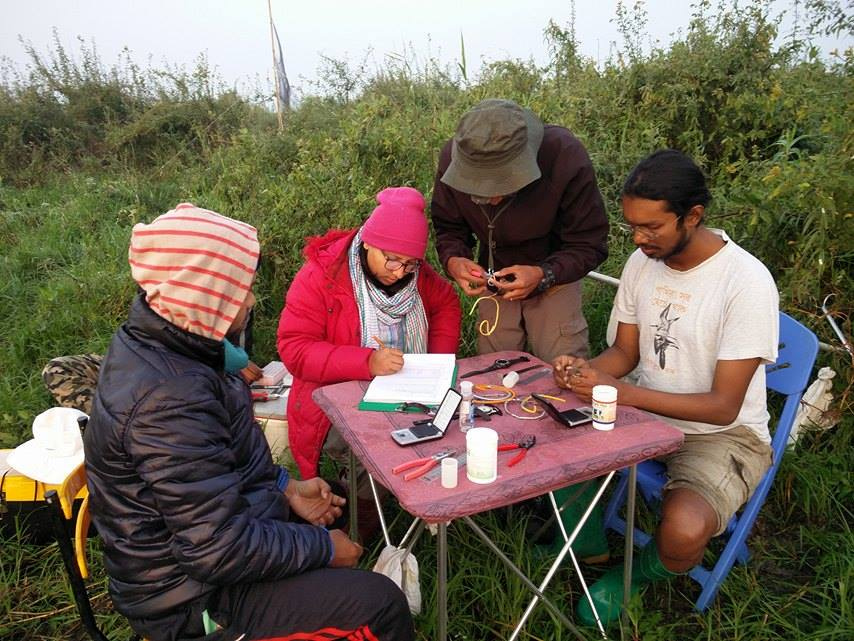
Later, during a bird-identification competition, I met Enam Al Haque, the founder of Bangladesh Bird Club. He noticed that among all the competing groups, only our team was all-female competitors. Then and there, he invited us to join the club. Through that, I got exposure to the conservation community and started volunteering in bird census and bird ringing activities, sometimes even forcefully joining them, haha!
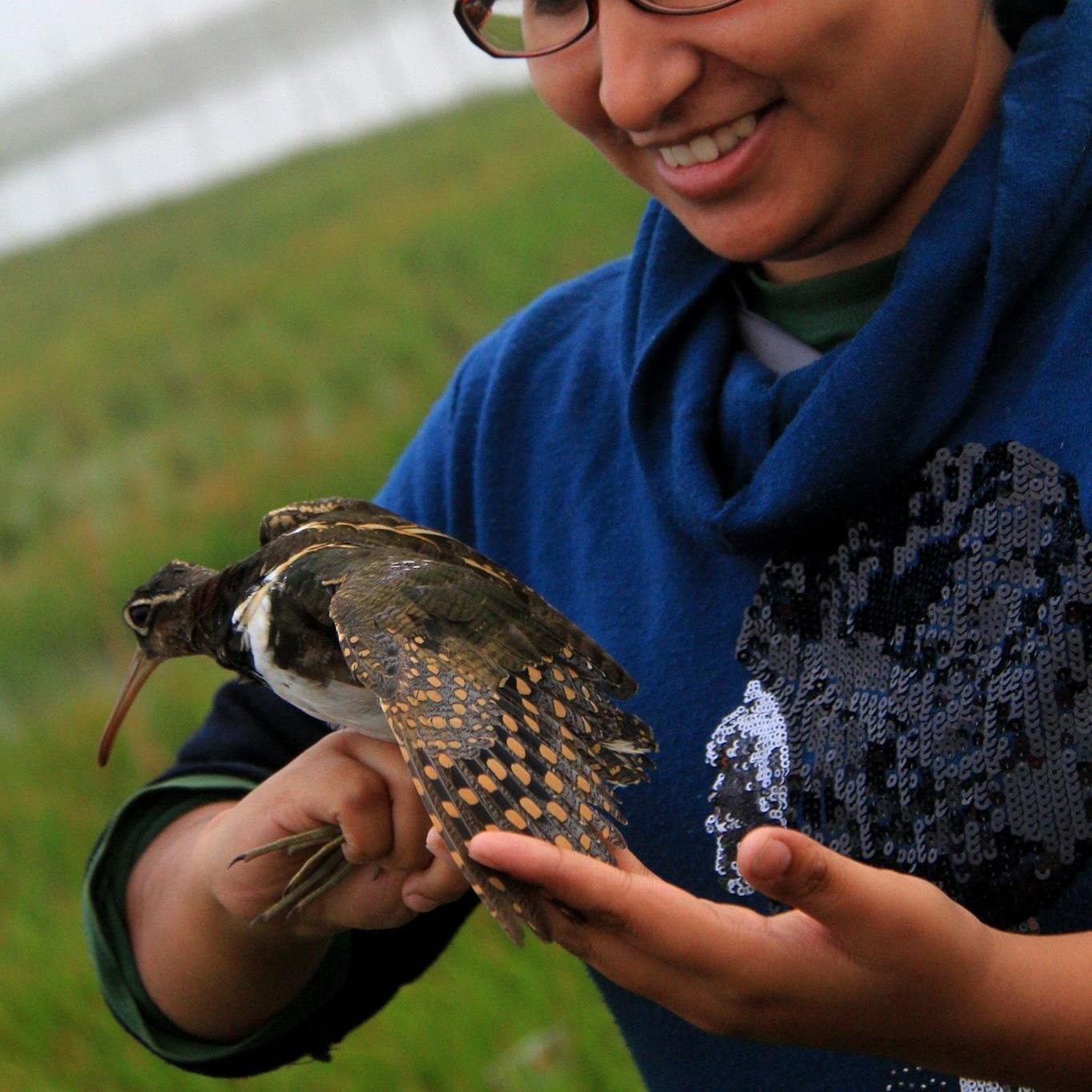
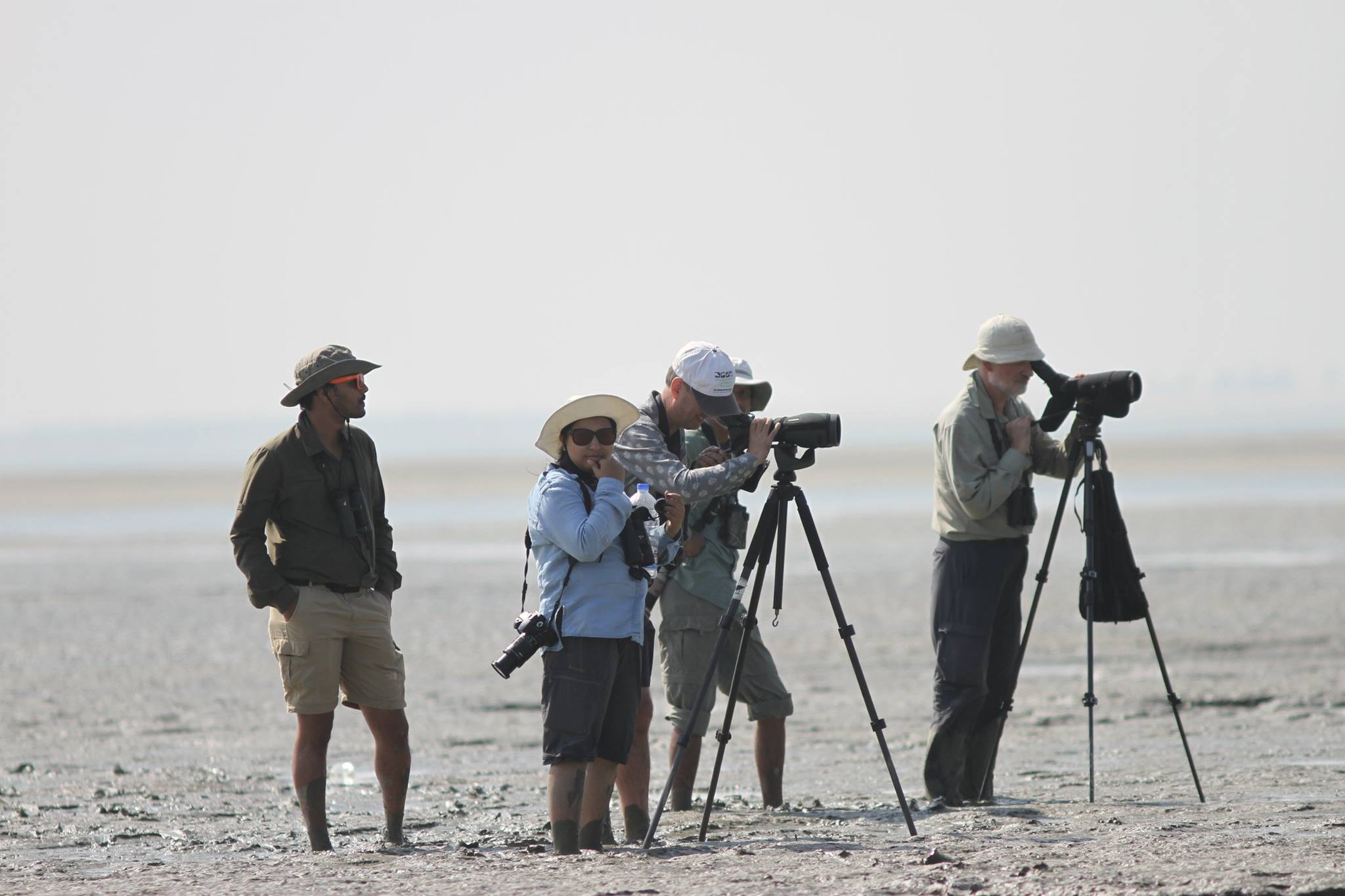
After graduating, I joined IUCN with my experience in bird ringing and bird census. But unlike many female colleagues, I did not want to stay limited to desk-based work and reports. I wanted to learn directly from the field to better understand conservation needs and my own scope of work. Since then, I have been involved in many projects, not just my own.
So, in short, my conservation journey is a culmination of all these experiences and my curiosity to always take part in something new.
As you mentioned, the participation of girls in this sector is still quite low. Yet you have become one of the leading conservationists in the field. How have you managed to continue working and growing in this profession despite the social challenges?
Zenin Azmiri:
I think it is all about courage, and I learned that from my mother. She got married at a very early age, but she still completed her education in the village and became a teacher while raising me. I grew up watching how many struggles she faced, yet she always carried the belief that she could not remain limited to the village if she wanted to give her children a better life. Even today, whenever I face difficulties, I remember her strength and keep going. She became my role model.
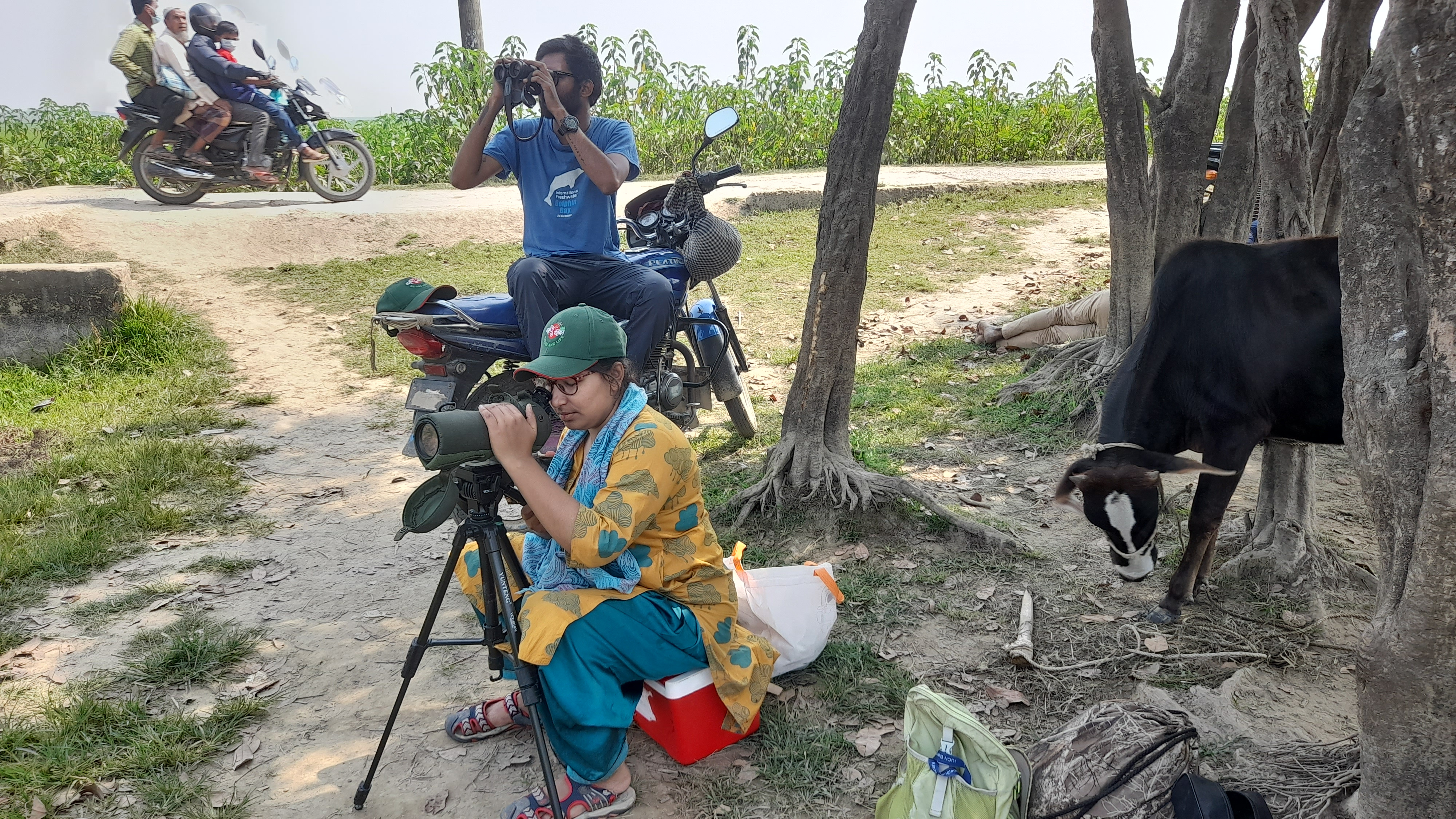
At the same time, I have also received a lot of support from people around me. People who work with nature are usually very kind and understanding. Whenever I had to travel at night or work in remote areas, people helped me. In the villages where I do fieldwork, people are very hospitable. Many are surprised to see a woman working in such rural settings, but they also respect and encourage me.
I think many girls never even get the opportunity to show their courage. But if you believe in yourself and stay true to your work, you should not be too worried about what others think. Most importantly, girls need to have a passion within themselves that keeps driving them forward.
Your work also inspires young girls to pursue careers in conservation. Are there any upcoming activities or initiatives you are planning to support or encourage them in this field?
Zenin Azmiri:
Girls often come into this field for work, but many of them later drop out. When I took girls for bird ringing campaigns, only one or two out of many continued in the long run. Still, I want to see more and more girls coming forward in this sector.
That is why I am thinking about starting a bird-watching campaign only for girls. It is simple, but also very engaging, and it can help build a real interest in nature.
As we discussed earlier, there are also safety concerns that stop girls from going into the field. Some may never even get the chance to go outside their home for such work. In that case, mentoring and coaching can really help. For example, I want to plan trips where the girls themselves will design and organize the whole journey. This can help them slowly overcome fear and build confidence in fieldwork.
What have been some of the most memorable experiences or highlights of your conservation work so far?
Zenin Azmiri:
To be honest, I enjoy every bit of my work. Whether it is working on vultures, Pallas’s fish eagle, or crocodile tagging in the Sundarbans, everything has been very meaningful and exciting for me. I have also been to Swatch of No Ground, which is a very remote and difficult place to reach, but experiencing its vastness was truly amazing.
I also love exploring new places. I usually say that I will go to the same place for work, but outside office trips I always try to visit new areas for birding. Everyone goes to see new birds, but for me it is also about seeing new places. I want to explore every corner of Bangladesh. This curiosity is what makes every moment of my work feel special.
Another highlight for me is the reaction of people, especially women, in rural areas. Once, in a remote village of Panchagarh, I was birdwatching with Enam Al Haque under the hot sun. A woman there came to me, talked for a long time, and even gave me water. She was surprised to see us traveling from the city just to watch birds, and even more surprised that a woman was working in such a field, walking long distances and doing this kind of work. She kept asking me questions like whether I had other work, and how my family allowed me to do this. These experiences make me hope that seeing a woman in this field might encourage other women to step out and explore similar paths with confidence.
These experiences make me hope that seeing a woman in this field might encourage other women to step out and explore similar paths with confidence.
What challenges have you faced in the conservation field?
Zenin Azmiri:
A big challenge I faced was that people don’t always take women seriously in this field. I have experienced it personally as well. There were times when I was not taken seriously or did not receive the support I needed. This happens especially when women have to deal with higher officials. That is why I focus on building my own credibility so that people see my work first, not my gender.
Moreover, you will rarely see women in top positions in government offices. But in conservation, we need compassion and sincerity, and I feel women naturally bring that depth. Whenever I work with vultures, even a small incident can deeply affect me. I think women often carry that level of empathy and emotional connection with nature.
Civilization began with women, and I believe conservation can also grow stronger with women at its center.
Civilization began with women, and I believe conservation can also grow stronger with women at its center.
What is the current state of conservation in Bangladesh, and how has it changed over the past decade?
Zenin Azmiri:
I have been working in this field for more than a decade, and I have seen significant changes. In the beginning, we could not even make people understand why bird censuses were needed. People would frown at bird tagging and often ask what the benefit of it was.
But now, things have improved. The government is more aware, and we cannot just do things without accountability. Officials can also point out if there are any errors. It is a slow but steady process, and now we also have well-connected, informed volunteers across the country. So, it is not all bad. If we continue like this, awareness will grow at a much larger scale.
What advice would you give to early-career professionals starting in conservation?
Zenin Azmiri:
I would say be headstrong and follow your own passion. I come from a family with traditional expectations, and they had their own plans for me, but I did not listen to them. Now, they also don’t blame me for not following their dream job for me. If you get too influenced by others, after 10 or 20 years, you may be the one regretting it.
Yes, there will be challenges, and not everyone has the same privileges. Many times, we leave our own interests and follow societal expectations. So, I would tell the younger generation to fix your aim for your own sake and also test your choice to see whether you truly want to stay in this field or not. Once you are clear about your goal, stay consistent.
Last month, we celebrated 100 years of Sir David Attenborough. I was thinking that even with so many positive changes in conservation today, we still get frustrated. So, when he was young, the situation must have been even harder, but he kept going. I was fortunate enough to meet him at a Cambridge conference, where he advised the youth to keep going. I want to echo that same message: you can never give up. Be consistent!
A huge thank you to Zenin Azmiri for chatting with me about her incredible journey in conservation. May her story inspire more girls to be courageous, break barriers, and make a difference.🌻