Sustainability Jobs: The Future of Work with Purpose

No matter what you're studying to become - whether its an engineer, designer, business manager or anything else - there's a role for you in building a better, fairer future. Sustainability jobs are no longer limited to planting trees or installing solar panels, they're as diverse as the challenges they aim to solve.
What Are Sustainability Jobs, Really?
At its core, a sustainability job is any role that actively contributes to preserving resources, supporting communities, or creating long-term systems that don’t compromise the future. These roles span three interconnected pillars:
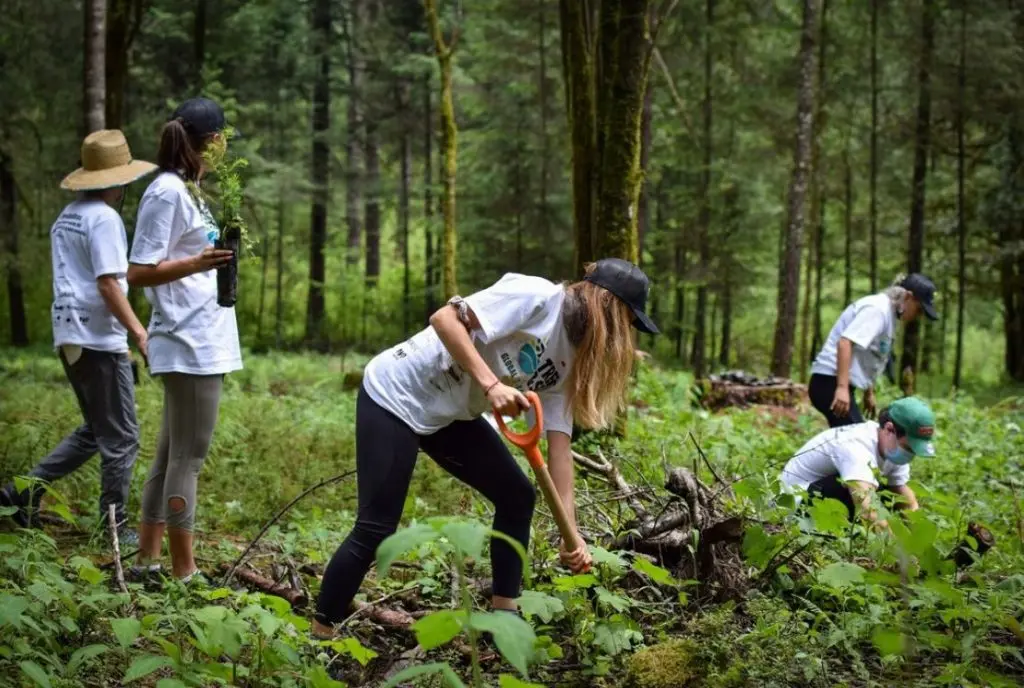
1. Environmental sustainability: Protecting natural ecosystems and reducing ecological footprints
2. Social sustainability: Promoting equity, inclusion, health, education, and community resilience
3. Economic sustainability: Developing systems that ensure long-term prosperity without exploitation or depletion
The Expanding Universe of Sustainability Careers
Gone are the days when “green jobs” were limited to recycling plants or forestry offices. Today, every sector - from finance to fashion - is hiring for sustainability.
- In Tech: Sustainability consultants and AI specialists help organisations track and reduce carbon emissions, develop climate models, and optimise renewable energy.
- In Fashion: Circular economy strategists and materials scientists design biodegradable fabrics and closed-loop production systems.
- In Urban Planning: Green architects and transportation analysts build cities that breathe - with cleaner air, smarter grids, and people-friendly spaces.
- In Social Impact: Roles in education, health, and community development embed social justice and well-being into the DNA of local and global policies.
What's more, even traditional roles are being reinvented. An accountant might now specialise in ESG reporting. A marketer could become a sustainability storyteller. A lawyer may focus on climate legislation or ethical supply chains. Which brings us to the big question...
Who is Hiring for These Roles?
Corporates are under pressure to act. Governments are legislating greener futures. Startups are building the tools to get us there. And nonprofits are driving grassroots change.
- Multinationals are embedding sustainability in their core strategies, hiring Chief Sustainability Officers and cross-functional ESG teams.
- Startups are innovating in waste management, clean tech, and ethical AI.
- Public institutions and NGOs offer roles in climate policy, community health, education access, and more.
Wondering where to start looking? Sustainability roles often pop up in places you might not expect. Across tech, fashion, finance, and more. Try searching for keywords like “impact,” “climate,” or “sustainability” on job platforms, or browse the careers pages of organisations you admire. Sometimes, just being curious and following people or projects you care about can open unexpected doors.

Which are the Skills that Matter?
Sustainability spans across a variety of sectors, job titles, and skill sets. To contribute meaningfully, you don't need to be a climate scientist. What you do need is the ability to connect your expertise with real-world impact. Key abilities include:
- Systems thinking: Seeing the big picture and long-term impact
- Data literacy: Measuring impact and making evidence-based decisions
- Interdisciplinary knowledge: Combining science, business, tech, and social understanding
- Empathy and ethics: Placing people and planet at the center of design
Soft skills like collaboration, resilience, and adaptability are just as essential, especially in a field that is evolving rapidly.
The Future Is Now, and It Needs You
Sustainability is the new standard for how the world works. As the climate crisis intensifies and inequality grows, the demand for people who can design just, inclusive, and regenerative systems is only rising.
Whether you're crunching numbers, writing code, running community programs, or shaping policy, your work can be part of the solution.
In short: sustainability jobs aren't the future of work. They are the work of the future.

I have always believed that kindness should extend to every living being. My love for animals and nature is not just a passion. It is a part of who I am. I care deeply about Animal Rights, Welfare, and Wildlife Conservation, and I do whatever I can to make this world a gentler and safer place for them. Whether it is raising awareness or supporting meaningful causes, I try to play my part with heart and purpose.
Professionally, I have grown as an Executive Assistant and Administrative Specialist with hands-on experience across different sectors and cultures. Over the years, I have worked closely with senior leadership teams in Technology, Business, and Higher Education, always striving to be dependable, professional, and calm under pressure. I have earned an Advanced Certificate in Executive Assistance from BMTG UK Ltd which reflects my dedication to this profession.
I have also completed several training programs focused on workplace excellence and strong organizational skills. These skills help me adapt to change and keep things running smoothly in today’s fast-paced world. My work often involves managing international travel, planning both virtual and on-site events, and handling communication, immigration, and hospitality tasks. I approach each of these with care and a personal touch.
I also write professionally, preparing internal communications and business correspondence with clarity and precision. This has helped me build a reputation for being trustworthy, effective, and committed to high standards.
What truly keeps me going is my willingness to learn and grow. I believe that every day is an opportunity to do better, not just at work, but in how we treat others, especially those who do not have a voice. This journey of compassion, hard work, and lifelong learning is what I carry forward, wherever I go and whatever I do.