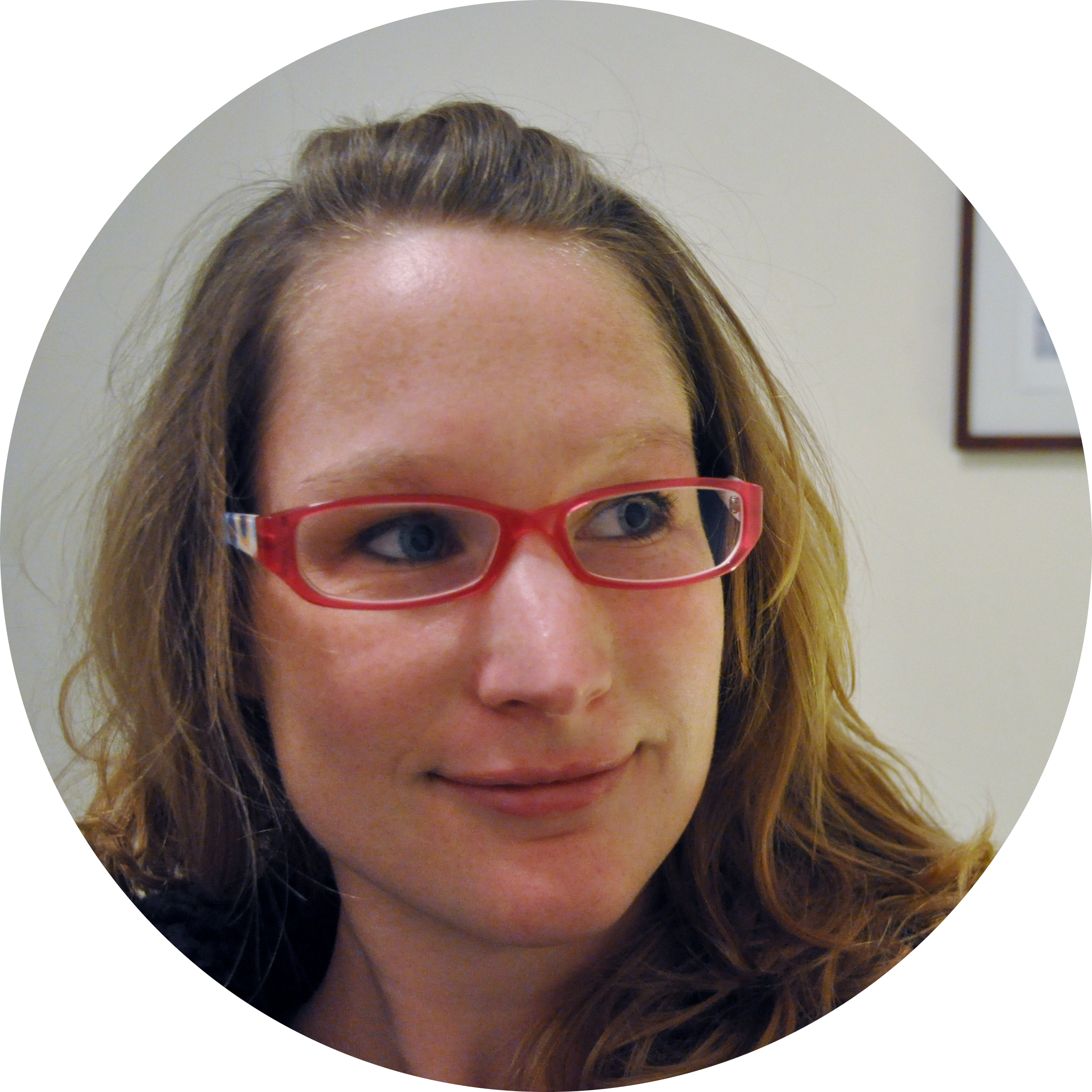

I want to find new ways to have a positive impact on the environment and communities around the world. How I do this is pretty open; I have wide-ranging interests (including the arts and spending time outside) and am willing to adapt to changing circumstances.
Although I've stepped back from being a community advocate for the WildHub community, I'm still happy to answer questions about the platform and will do what I can to help connect people.

With experience in Marine Animal Rehab., Rescue and Research coupled with a nerdy love of data, data science and all things technology, my data collection software company, WatchSpotter is the cumulation of my life’s work. From the hallways of the Marine Animal Rehabilitation Center at the University of New England, my affinity for caring for marine animals was fostered and grew. Being tasked with the center’s life support systems and flow thru animal pools further opened my eyes to water quality, fecal coliforms, and bio-loads. I was the primary research technician in a multiphase study: Protecting the Saco River: Tracking non-point fecal pollution to its species source. Upon leaving UNE, I traveled to the Southern Great Barrier Reef Australia to work on an international research team focusing on population dynamics for three cetacean species. Once back stateside, I sharpened my Software UX skills working as a software consultant for Centersoft Technologies. After a brief stint volunteering for the Dolphin Photo ID program at Florida Atlantic University Harbor Branch Oceanographic Institute, I was hired to join the team. I split time the first years at FAU HBOI between the Harmful Algal Bloom lab and the Dolphin Population and Assessment Lab. Settling in as a Research Assistant for the latter as well as a first responder for the Marine Mammal Rescue Team. In working with the Dolphin Population and Assessment Primary Researcher, along with other industry collaborators, I soon became the PIs data analyst and was paramount in the creation and development of the programs state of the art cloud-based SQL database platform. I worked as a liaison between the research program and software architects to assure ease of use, maximum data output and advanced analytics. The software is still used by the newly formed team today. At the end of 2019 it was time for me to branch out on my own. In the spring of 2022, WatchSpotter was born. My idea was to create a customizable SaaS application that could be used by researchers worldwide. Data is data- scientific questions need to be answered. My contingency was that no matter what the research topic- if the research brings people into the field-whether scientists, volunteers, or citizens, they are there to gather data-to answer questions. I knew that the two biggest challenges facing many environmental research groups were time and money. It would not be feasible for most nonprofits or other environmental institutions to pay for custom software- which often runs in excess of $150K nor do they have the time to wait for such programs to be complete. These known challenges fueled the customization and simple UX that make up the WatchSpotter platform. When I’m working with Environmental Science or software, I enjoy being outside in the woods or at the beach, volunteering and hanging with family and friends.

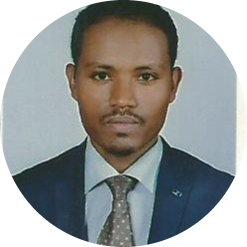
I am an educator and researcher at Bahir Dar University, Ethiopia. As a professional, I have been teaching students in wildlife conservation and management as well as doing research and community outreach in wildlife conservation. In our country, the protected areas have been expanding in coverage, but the wildlife species have been declining in population abundance and diversity. Thus, I am interested to work on conservation capacity build, research, and consulting protected areas to resolve the contradicting facts of expansion of protected areas and loss of wildlife resources. In this regard, I am happy to develop a link with any conservation experts who are interested to work together and share experiences.

I have a broad range of experience in the management of natural resources, landscape restoration, agriculture, wetlands management and conservation, GIS and remote sensing, data analysis, peace and conflict resolution, and research projects with an emphasis on water quality, aquatic system management, and the effects of climate change on marine ecosystems. Through advocacy for policies, conservation education, and conservation projects, I am passionate about preserving the natural world and preserving threatened species. I have delivered superior research services in collaboration with government agencies, religious institutions, and International, regional, national, and local NGOs.

Christelle Mallants
Communications, Marketing, Project Management & Administrative Services, Beyond Treetops - Digital Solutions for Conservation
Passionate about the world, I consider myself a global citizen. Born in Belgium, I have lived 10 years in South Africa, 22 years in France, 2 in New Zealand, and 6 in Switzerland. I have also had the privilege to work and travel for 18 months in Zambia. I speak English, French and German. Altruistic and empathetic, I live accordingly to the most beautiful word in the world “Ahimsa” (respect for all living things and no violence towards others). Defending animal and human rights, reducing our impact on the environment and protecting the beautiful place we live in everyday are part of my core values.
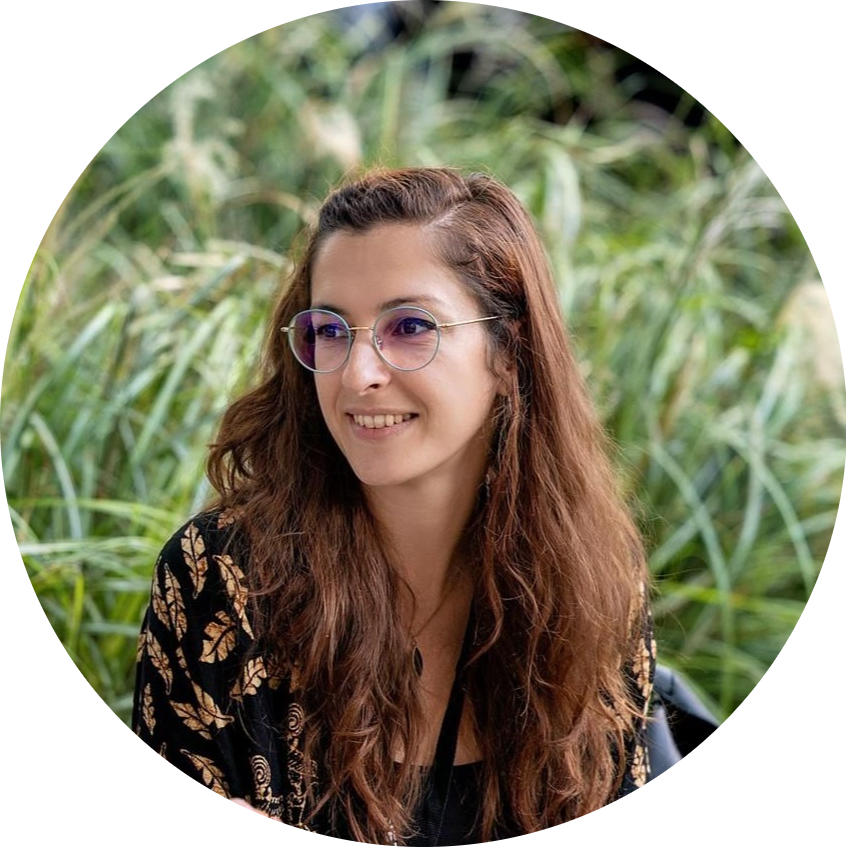
Joined WCS 10 years ago, spent most of my time in the Congo Basin. Working on community development and social science, monitoring & evaluation, theories of change. Helping our teams to collect, manage & analyze data in the most efficient way. Member of the Conservation Measures Partnership and the Conservation Social Science Partnership.


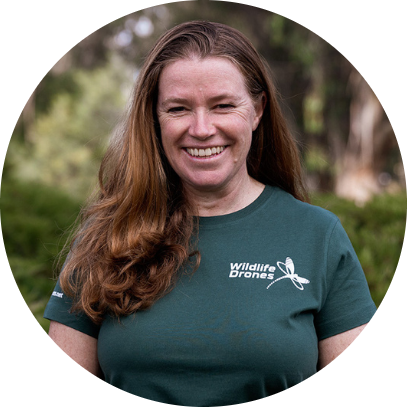
For over 20 years, Dr Debbie Saunders has worked as a wildlife biologist, specialising in threatened species conservation management and worked with diverse teams of talented people to develop the world’s most advanced drone radio-telemetry solution – resulting in the establishment of Wildlife Drones.
As a passionate founder, CEO and Chief Remote Pilot of this award-winning deep tech company, Dr Saunders gets to empower wildlife biologists and land managers to achieve greater insights and conservation impact all around the world by cost-effectively collecting more data, more often with less effort.
How can Wildlife Drones help you? - Track up to 40 animals simultaneously and in real-time - Survey difficult terrains like rugged mountains and swamp areas easily - Save time, effort and money so you can focus on what really matters - Collect more data, more often with less effort
She has received an ACT Innovation Award as well as an ACT Government Innovation Connect grant for her creative business solutions for challenging research problems.
Debbie believes that drones are a highly valuable and flexible tool that provide unprecedented opportunities for new insights into the world’s most complex and fascinating natural ecosystems.
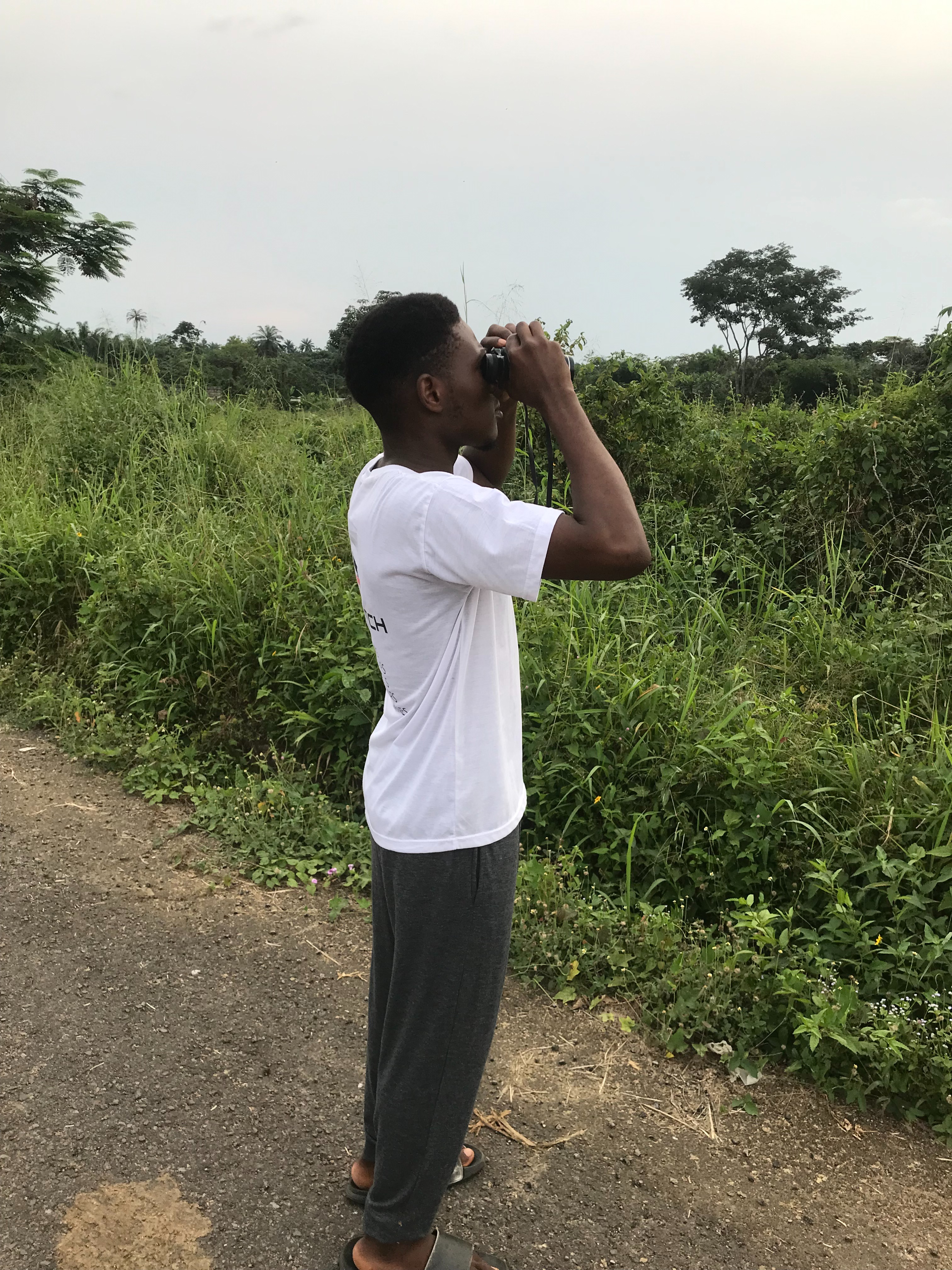
I am a graduate of Forestry and Environmental Management from Michael Okpara University of Agriculture, Umudike, Abia State, Nigeria, with a strong interest in wildlife conservation, biodiversity, ornithology, forestry, and environmental sustainability. I am passionate about understanding and protecting natural ecosystems and hope to build a career that combines field-based conservation, ecological research, environmental management, and community engagement.
My academic training provided me with foundational knowledge and practical experience in areas including forest management, wildlife ecology, biodiversity conservation, nursery management, seed technology, plantation establishment, environmental management, and ecological field surveys. These experiences have strengthened my interest in applying scientific knowledge to real-world environmental and conservation challenges.
I have gained additional practical exposure through participation in conservation and biodiversity initiatives, including the Nigerian Bird Atlas Project (NiBAP) under the A.P. Leventis Ornithological Research Institute (APLORI). I have also volunteered with the Biodiversity Preservation Center (BPC), Uyo, contributing to biodiversity awareness, environmental education, and conservation-related activities.
I am particularly interested in ornithology, wildlife monitoring, ecological research, habitat conservation, and technology in environmental management. My training in remote sensing and snakebite management has strengthened my field research and environmental monitoring skills. I also actively document biodiversity through wildlife observation, photography, plant cultivation, and bird monitoring and contribute to iNaturalist, where I continue to learn through citizen science and collaboration with naturalists globally.
I am open to cooperation, research, internships, fellowships, scholarships, training, and more academic possibilities as I start my career. Working with researchers, conservation groups, non-governmental organizations, academic institutions, and other groups that promote environmental sustainability and biodiversity conservation excites me.
I am currently looking for possibilities to obtain more experience, contribute to meaningful conservation work, further my professional development, and become a competent wildlife and environmental conservation specialist. 🦁🐍🦅🌳
Feel free to connect with me via the following platforms:
Twitter: Happiness Eniang
Facebook: Happiness Eniang
Nguyen Van Kien
principal researcher, Vietnam National plant genebank - plant resources center (prc)
My work is serving plant genetic resources conservation and use intervention for food and agriculture development (PGRFA) in Vietnam. We design, develop, carry out platform and strategy, programs on PGRFA and relevant areas, including consultancy, training activities. Currently, we are trying to focus on diversity and evolution works of crop and wild crop relatives (CWRs)in the contexts of climate changes, nutrition and health styles and ecosystem services payments and environments as well as values series of culture, spirit and religions that plant genetic resources contribute to sustainable human social development against future challenges. I hope that we could exchange experience, idea and innovation to contribute in developing a better world. We are looking forward to hearing your feedback, support and cooperation soon

I´m PM4R Master certificated for BID and I work as a Project Manager at Natura International, an NGO dedicated to the creation of protected areas. I am in my last year of Biology at the National University of Cordoba and I am doing my final thesis on mammals in a reserve in my province. During my career I have done volunteer work in La Coronilla, Uruguay with sea turtles and I am currently doing a research internship in the project "Defaunacion de la mastofauna en la porción Sur del Gran Chaco Americano". I would like to specialize in conservation and ecology


Zoë Lieb is the project coordinator on the Field Engagement team for the Allen Coral Atlas. Coming from a conservation biology background, she was the in-country manager and primary investigator for the Mongolian Bankhar Dog Project for two years, working towards culturally oriented solutions to human-wildlife conflict issues among nomadic herding communities. She has also worked as a marine observer collecting management data for Alaskan crab fisheries and other data collection positions. She received her MSc in Conservation Biology from University of Kent in the United Kingdom in 2019. Her expertise includes program development, quantitative and qualitative analysis, and community-supported conservation strategies.


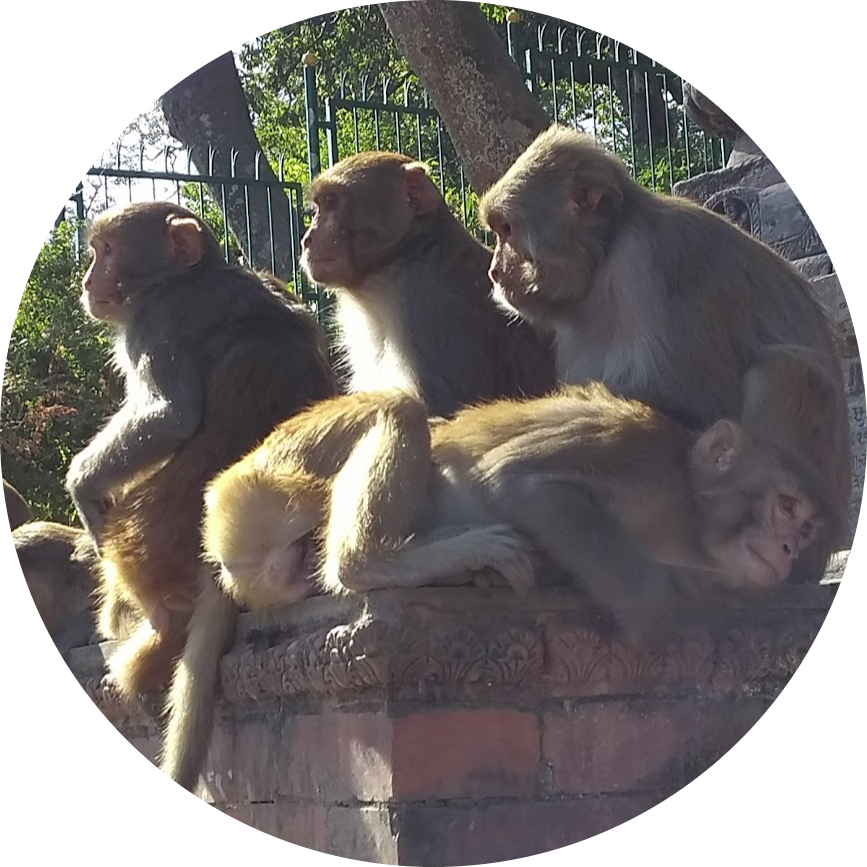
I started working with captive rescued monkeys in 1999 and went on to earn an MSc in Primate Conservation (Oxford Brookes University) and another in International Animal Welfare Ethics and Law (University of Edinburgh). I've worked for a number of animal welfare organizations, most recently the Animals Asia Foundation and the Asia for Animals Coalition. I've been trustee and director for Neotropical Primate Conservation since its establishment as a UK charity in 2007. I'm particularly interested in the way human and non-human primates relate to one another, and the intersection between conservation and animal welfare. I feel that it's important that these are treated as complimentary, rather than contradictory, concepts. At present I am exploring primate welfare in the context of human-macaque conflict mitigation strategies. Please feel free to contact me here to talk about this if it's of interest to you! I am originally from the US but have lived in the UK for many years.