There's a version of a career in conservation that looks like this: you're out there, doing the work you trained for, making decisions that actually matter for the wildlife you care about. And then there's the version most of us actually live, which is juggling underfunded projects, chasing grants, trying to keep a team pointed in the same direction while everything shifts around you.
The gap between those two versions usually comes down to skills that nobody explicitly taught us. I certainly didn't get then at University for example.
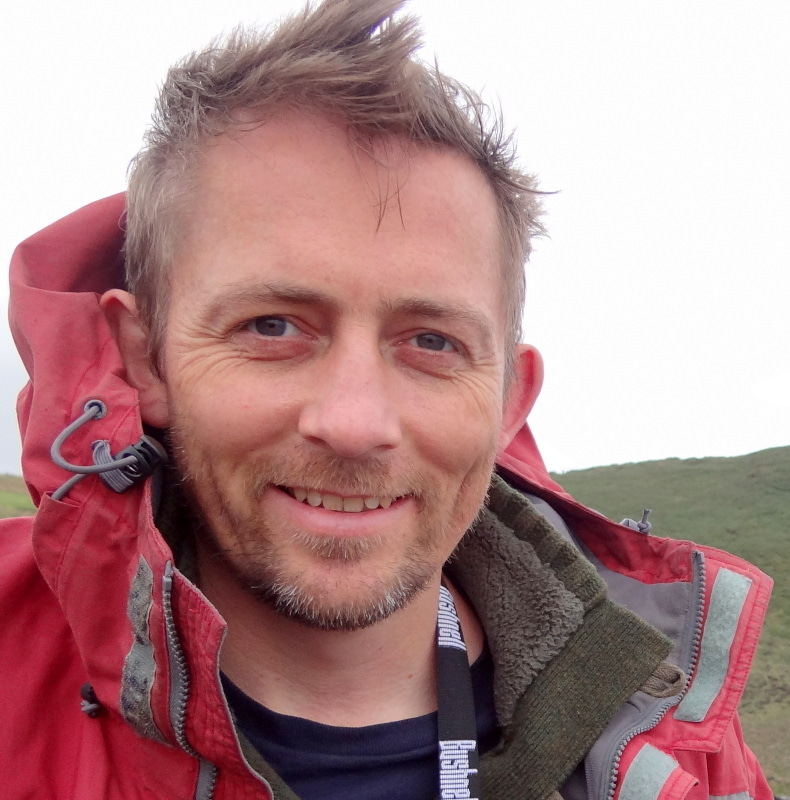
I've spent years working across conservation projects in different countries, and the pattern I keep seeing is the same. Brilliant, committed people , people who genuinely know their stuff, hitting walls not because of what they know about wildlife, but because of gaps in how they plan, manage, and fund their work. It's frustrating to watch, and I spent years doing it myself working in Bangladesh.
So here are three skills I think every conservationist can benefit from, whether you're just starting out or well into your career.
1. Project Planning
If you don't have a strong conservation strategy, you can spend years working hard and still not know whether any of it made a difference. Thousands of pounds of scarce funding, months of effort from dedicated people, and no clear line between what was done and what actually changed for the wildlife the project was supposed to help.
Good project planning means being able to assess the situation you're actually trying to change, define the impact you want to achieve, and map out the work in a way that connects the two clearly. It sounds straightforward. In practice, it's a discipline, and one that also happens to make grant applications significantly stronger, because donors can see the logic of what you're proposing.
I'd argue this is the single most important capability for anyone who wants to take on more responsibility in conservation, or simply wants to know that their work is landing.
WildTeam's Project Planning for Wildlife Conservation course covers exactly this, from situation assessment through to defining success in terms of results, objectives, and indicators.
2. Project Management
Almost everyone in conservation will, at some point, be involved in running a project. That might be as a lead, or as part of a team, but either way, how that project is managed shapes whether it achieves anything, and what it's like to be part of it.
Good project management is honestly not that complicated. It's about clarity; clear roles, clear phases, clear processes for keeping things on track and adapting when conditions change. But when those things are missing, even well-designed projects start to fall apart. Decisions stall, team members pull in different directions, and problems that could have been caught early turn into crises.
What I also think gets underestimated is the human side of this. When projects are managed well, they're less stressful. People know what they're doing and why. There's more space for the work itself.
The Project Management for Wildlife Conservation course from WildTeam takes you through the principles, phases, and practical processes, and it's one of the most commonly cited criteria in conservation job listings for good reason.
3. Grant Writing
Conservation is perpetually underfunded, and the competition for every available grant is fierce. An application that doesn't immediately read as impact-focused, evidence-based, and tightly aligned with what a donor is actually looking for will not get through, regardless of how good the underlying work is.
That's a hard truth, but it's also a learnable skill. Knowing how to select the right grant in the first place, write content that's compelling rather than just descriptive, and use evidence effectively are all things make a real difference to whether funding comes through or not.
I've seen many strong projects fail to get funded because the application didn't reflect the quality of the thinking behind it.
WildTeam's Grant Writing for Wildlife Conservation course walks through the whole process, from finding the right opportunity to submitting an application that stands up to scrutiny.
A final thought
None of these skills are glamorous. They don't show up in the field stories, and they're not what most of us got into conservation for. But they are what separates projects that struggle from projects that get built and funded and actually deliver something.
The wildlife we're working to protect doesn't have the luxury of waiting for us to figure this out as we go.