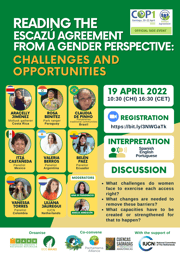
Human rights and gender in the new Global Biodiversity Framework
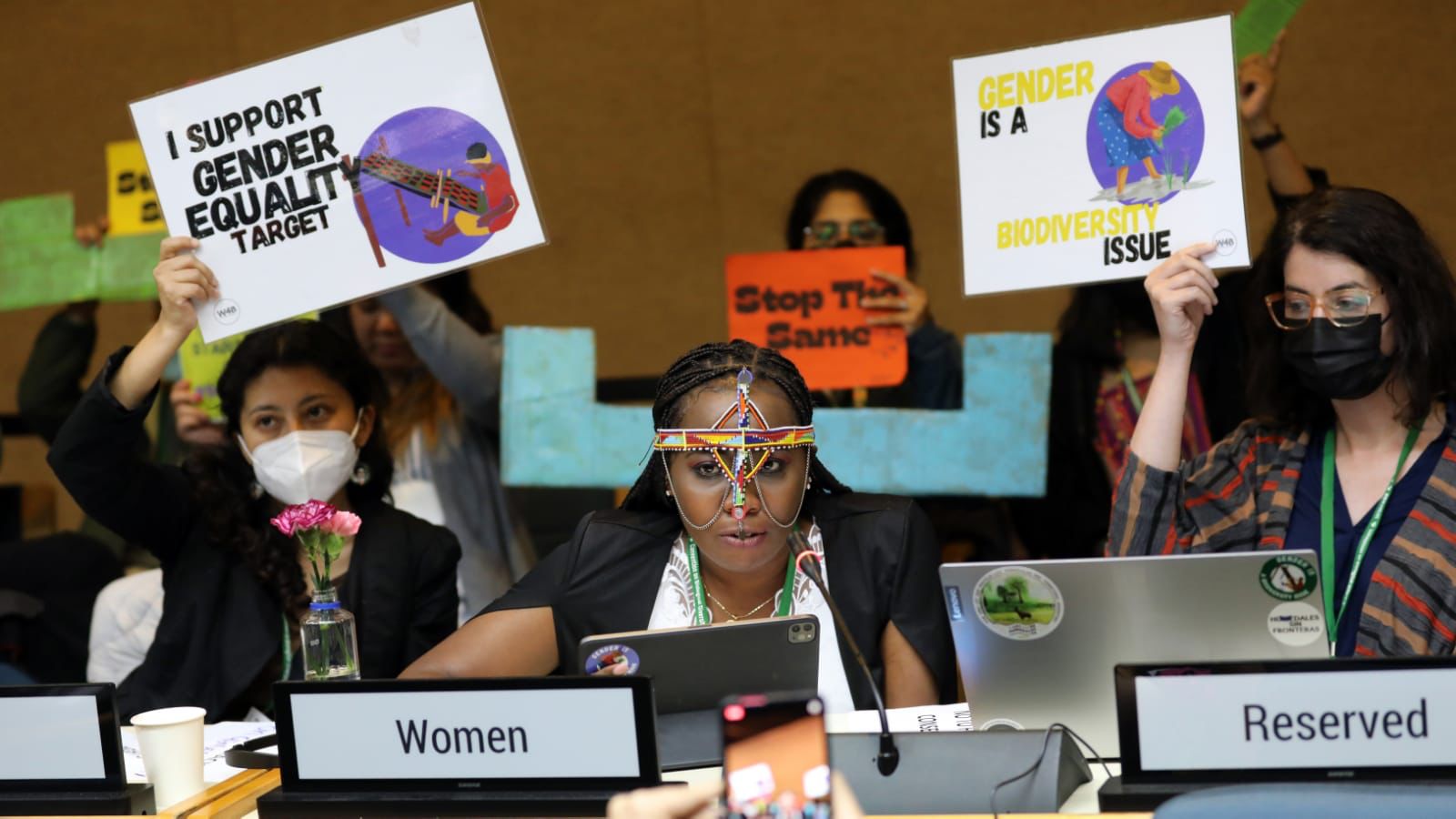
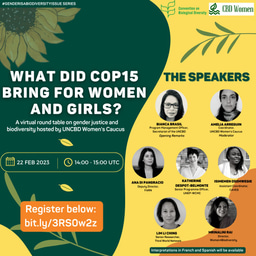
With the GBF´s Target 23 on gender equality, the CBD becomes the first environmental treaty to have a specific target on women’s rights. It embeds a gender-responsive approach in which all women and girls have equal opportunities and capacity to contribute to the GBF’s objectives. This includes recognition of their equal rights and access to land and natural resources, and their full, equal, meaningful and informed participation and leadership at all levels of action, involvement, decision-making and policy-making related to biodiversity. In addition, COP 15 adopted a new 2030 Gender Action Plan that will serve as a guide for realizing the goal of gender equality in biodiversity policy.
Find the complete article here:
https://www.iucn.nl/en/no-category/human-rights-and-gender-in-the-new-global-biodiversity-framework/
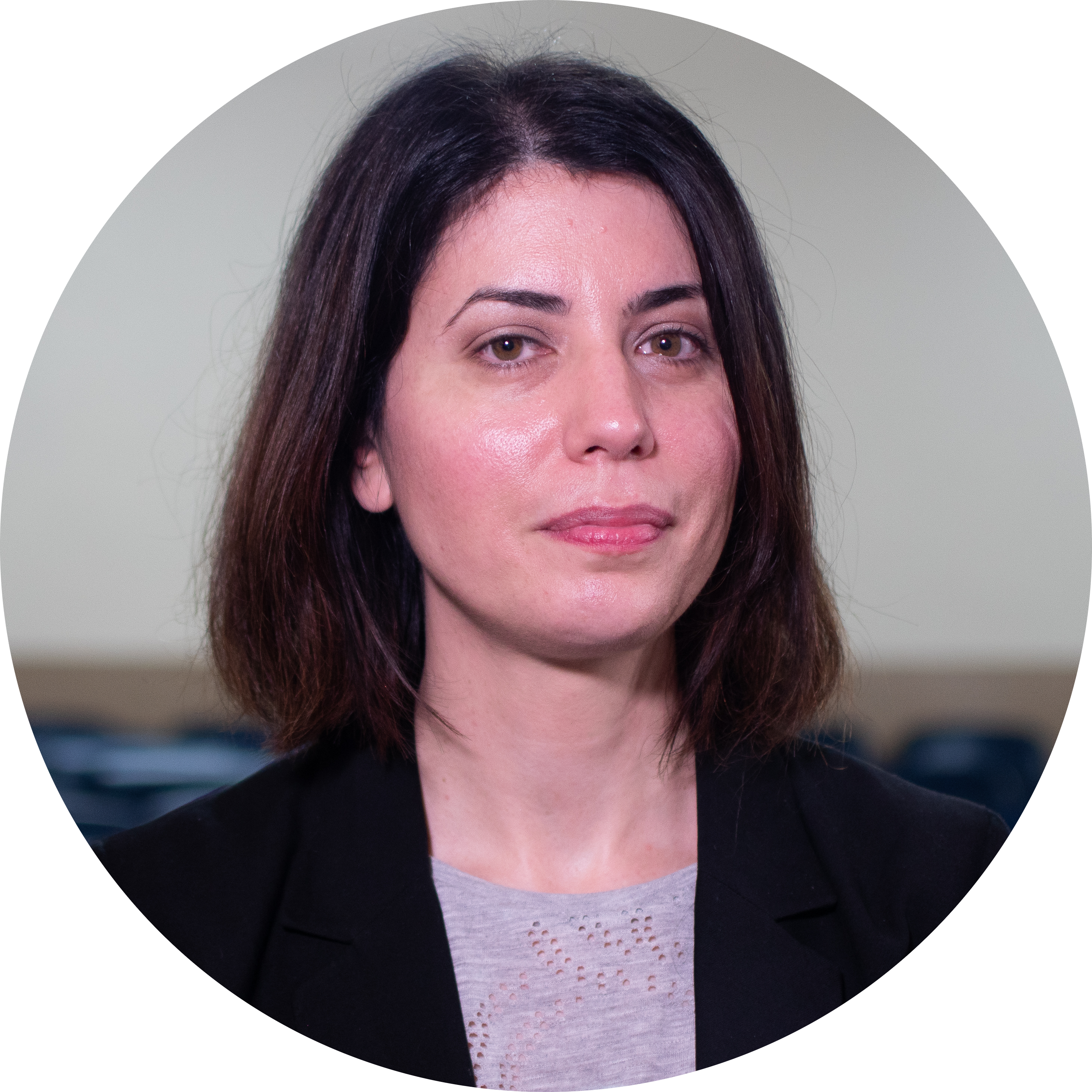
I am a lawyer specialized in biodiversity, environmental policy, and human rights, with more than 15 years of experience. I am passionate about contributing to the development of public policies that are fair, participatory, and grounded in human rights.
I have been actively engaged in global negotiations under the Convention on Biological Diversity (CBD) since 2010, the UN Convention to Combat Desertification (UNCCD) since 2017, and the International Union for Conservation of Nature (IUCN) since 2010, promoting more equitable, effective, and rights-based environmental governance.
I am particularly interested in the strategic advocacy of civil society. I have led coordinated action among organizations in Argentina on a wide range of conservation issues and have been repeatedly elected by my peers from NGOs to represent the sector in institutional spaces, fostering collaborative and results-oriented work.
Throughout my career, I have worked across multiple sectors -non-profit organizations, government institutions, global networks, and academia- driven by a strong belief in the power of alliances, dialogue, and cooperation to strengthen environmental justice and respond collectively to today’s socio-ecological challenges.
I raise funds from international cooperation and philanthropic sources, and design and implement projects and campaigns on land-use planning, wetlands, native forests, terrestrial and marine protected and conserved areas, ecological corridors, restoration, and access to information, participation, and environmental justice. I lead multidisciplinary teams guided by strategic planning, active communication, and impact monitoring.
Open to change and knowledge sharing, I am committed to integrating new technologies to enhance efficiency, collaboration, and impact. I drive digital transformation and organizational strengthening processes while promoting gender mainstreaming across institutional strategies and operations.