Some light-bulb moments in TBA Field Courses: Training Conservation Leaders
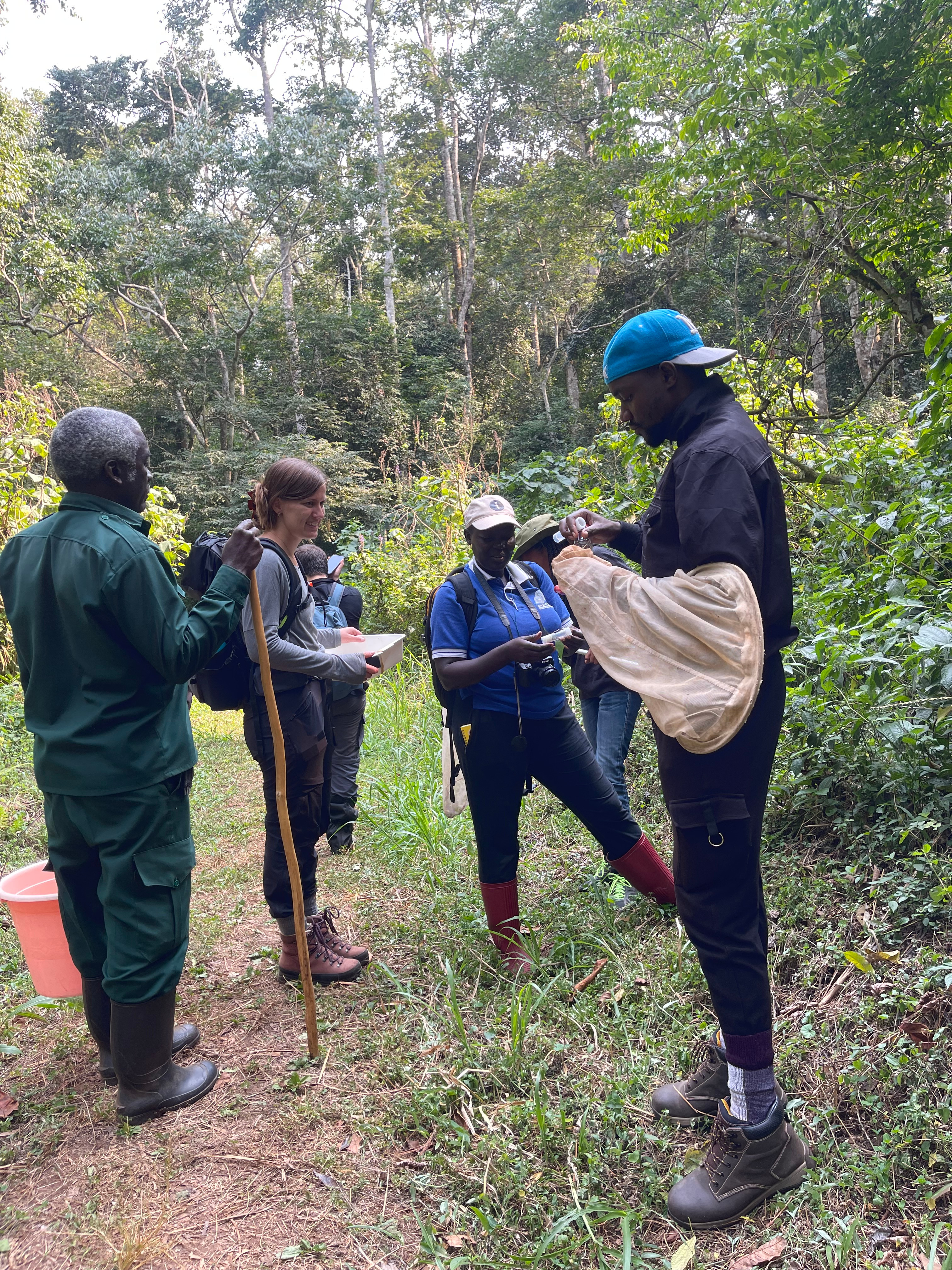
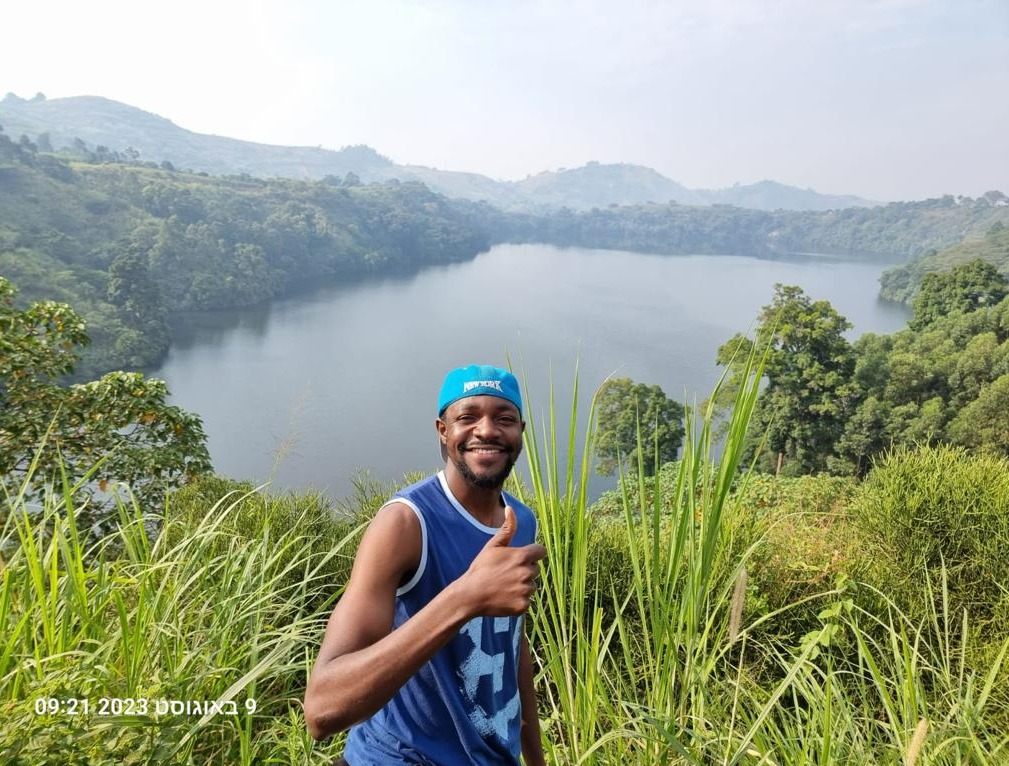
Some of the light-bulb moments that I experienced during the TBA field course in Uganda last August. It was a wonderful opportunity to learn about tropical forest ecology and conservation, and to conduct my own research project in the Kibale Forest National Park.
One of the light-bulb moments was when I realized the importance of camera traps as a tool for wildlife monitoring and research. Camera traps are devices that automatically take photos or videos of animals that pass by, using motion sensors or infrared triggers. They can provide valuable information on the abundance, distribution, behavior, and diversity of wildlife, especially those that are elusive, nocturnal, or endangered. During the course, I learned how to set up, maintain, and retrieve camera traps, and how to use software like Wildlife Insights to identify, analyze, and share the camera trap data. I was amazed by the variety and richness of wildlife that we captured on camera, such as elephants, chimpanzees, duikers and so on. I also learned how to use occupancy and capture-recapture models to estimate the population parameters of the wildlife species, and how to interpret and present the results.
Another light-bulb moment was when I discovered the fascinating interactions and relationships between plants and animals in the tropical forest. I learned that plants and animals depend on each other for various functions, such as pollination, seed dispersal, herbivory, and predation, and that these interactions shape the structure and dynamics of the forest ecosystem. For example, I learned that some plants have evolved specialized adaptations, such as nectar, fruits, or spines, to attract or deter certain animals, and that some animals have developed specialized behaviors, such as foraging, caching, or hoarding, to exploit or avoid certain plants. I also learned how to design and conduct experiments to test hypotheses about plant-animal interactions, such as the effects of seed size, color, or shape on seed predation or dispersal by birds. Using Passive Acoustic Monitoring (PAM) to survey birds’ diversity was another incredible moment for me.
The TBA field course was a memorable and rewarding experience for me, as it not only enhanced my knowledge and skills in tropical forest ecology and conservation, but also inspired me to pursue my passion and career in this field. I am grateful to the TBA staff, tutors, and fellow participants for their support, guidance, and friendship during the course. I hope to apply what I learned to my current and future research projects, and to contribute to the conservation of wildlife and their habitats in Cameroon and in Africa in general.
Romaric