Volunteer with Wild Macaws in the Peruvian Amazon
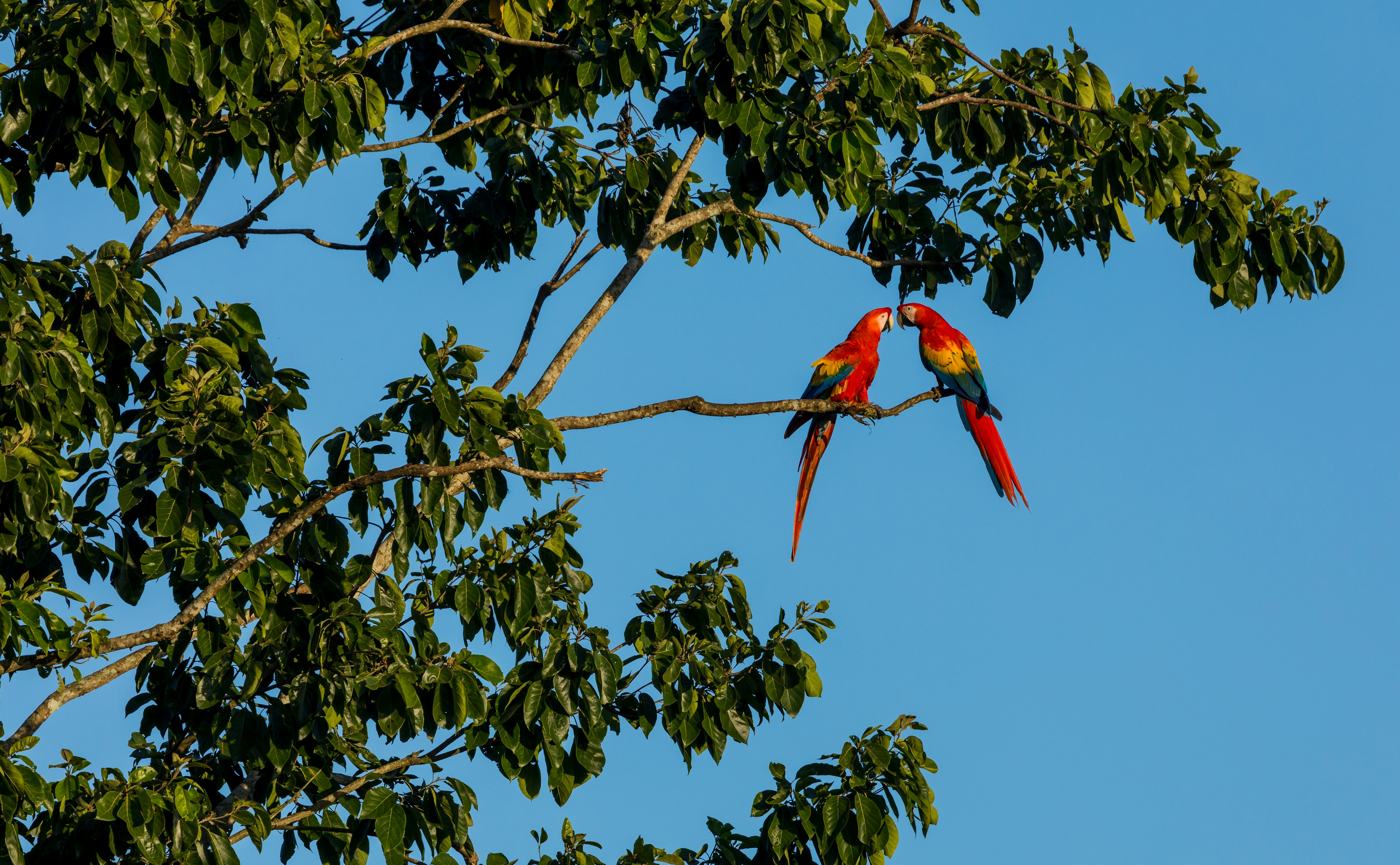
For conservationists, wildlife enthusiasts, birdwatchers, and aspiring field biologists, an exciting opportunity is available in one of the most biodiverse regions on Earth. The Tambopata Macaw Project in southeastern Peru is seeking dedicated volunteer field assistants to support its long-running research and conservation efforts focused on wild parrots and macaws.
A World-Leading Macaw Conservation Project
For more than two decades, researchers from Texas A&M University's Schubot Center for Avian Health have been conducting pioneering studies on the breeding ecology and conservation of wild parrots and macaws in the Tambopata region of Peru.
This internationally recognised project has contributed significantly to our understanding of these charismatic birds and the ecosystems they depend upon. Volunteers have played a crucial role in this success, contributing thousands of hours of fieldwork that help inform conservation strategies and scientific research.
Life in the Amazon Rainforest
Based at the Malinowski Biological Station, where the Malinowski River meets the Tambopata River, volunteers live and work in the heart of the Amazon rainforest. The station hosts researchers from around the world, creating a vibrant and multicultural environment where participants can learn, collaborate, and gain valuable field experience.
Working in such a remote and biodiverse setting offers an unparalleled opportunity to immerse yourself in tropical ecology while developing practical conservation skills.
Volunteer Opportunities
The project offers both long-term and short-term volunteer field assistant positions, catering to different levels of experience and availability.
Long-Term Volunteer Field Assistants
Long-term volunteers receive extensive training and become deeply involved in the project's research activities. Responsibilities may include:
- Identifying local parrot and macaw species by sight and sound
- Conducting parrot censuses in the rainforest
- Monitoring clay licks used by parrots and macaws
- Locating and observing foraging birds
- Entering and managing research data
- Learning rope-access techniques for monitoring macaw nests
- Observing breeding behaviour and nest activity
- Assisting with camp logistics and meal preparation
These positions are particularly well suited to individuals pursuing careers in conservation biology, ecology, wildlife science, or related fields.
Short-Term Volunteer Field Assistants
Short-term volunteers support core field operations and receive training to assist with:
- Ground support during nest monitoring activities
- Monitoring macaw behaviour around nesting sites
- Clay lick observation and data collection
- General field support activities
- Camp setup and meal preparation
While short-term volunteers have less involvement in highly specialised activities, they still gain valuable hands-on experience in wildlife conservation and field research.
Who Should Apply?
The project welcomes applicants with varying levels of experience, from enthusiastic birdwatchers to graduate-level professionals.
Long-term positions are best suited for those with prior field experience and a background in biology, ecology, forestry, wildlife science, or a related discipline.
Short-term positions are ideal for individuals with experience observing wildlife, a strong appreciation for nature, and an eagerness to learn.
All volunteers should be adaptable, physically capable of working in rainforest conditions, and enthusiastic about contributing to a collaborative research environment.
What Does It Cost?
The project itself is essentially volunteer-based, with participants contributing to the costs of accommodation, meals, and logistical support provided by the field station.
Current rates are:
- Long-term assistant: USD $30 per day
- Short-term assistant: USD $45 per day
- One-time processing fee: USD $30
These fees include accommodation and three meals per day. Additional transport costs apply for airport transfers and travel to the field site.
Why This Opportunity Stands Out
Field conservation experience can be difficult to obtain, particularly within long-running research programmes that provide meaningful training and direct involvement in scientific studies. What makes this opportunity especially valuable is the combination of hands-on fieldwork, professional mentorship, skill development, and immersion in one of the world's most extraordinary ecosystems.
Participants not only contribute to the conservation of wild macaws and parrots but also gain practical experience that can strengthen future careers in conservation, ecology, wildlife management, research, and environmental education.
For anyone seeking an adventure with purpose, this is an opportunity to become part of a project that has been making a tangible difference for more than twenty years.
Interested?
If the idea of living in the Amazon rainforest, learning new field skills, and contributing to the conservation of some of the world's most iconic birds appeals to you, this opportunity is well worth exploring.
I am a passionate communicator and researcher with an extensive background in the environmental humanities and social sciences, dedicated to exploring and fostering connections between people and nature. Based between Sweden and the UK, I work in academia as a researcher and lecturer, teaching courses in environmental law, historical ecology, and disaster risk management.
I actively contribute to non-profit organisations promoting conservation and animal welfare. I work with Faunalytics, translating complex research into accessible insights for evidence-based advocacy; write feature articles for Ubuntu Magazine spotlighting conservation initiatives; and serve as Community Advocates Coordinator at WildHub, driving strategic communications and leading initiatives that connect and empower conservation practitioners worldwide.
When I’m not working, you’ll find me hiking forest trails with my dog or enjoying a good cup of coffee.