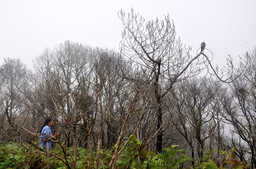
Drawn from Absence: Why Illustration Matters for Forgotten Species
Some species disappear from public awareness long before they are formally declared rare or extinct. In the Philippines, several endemic plants and animals now exist only as herbarium sheets, taxonomic notes, or scattered archival records. There are no photographs, no living witnesses, and often no cultural memory that they were ever here.
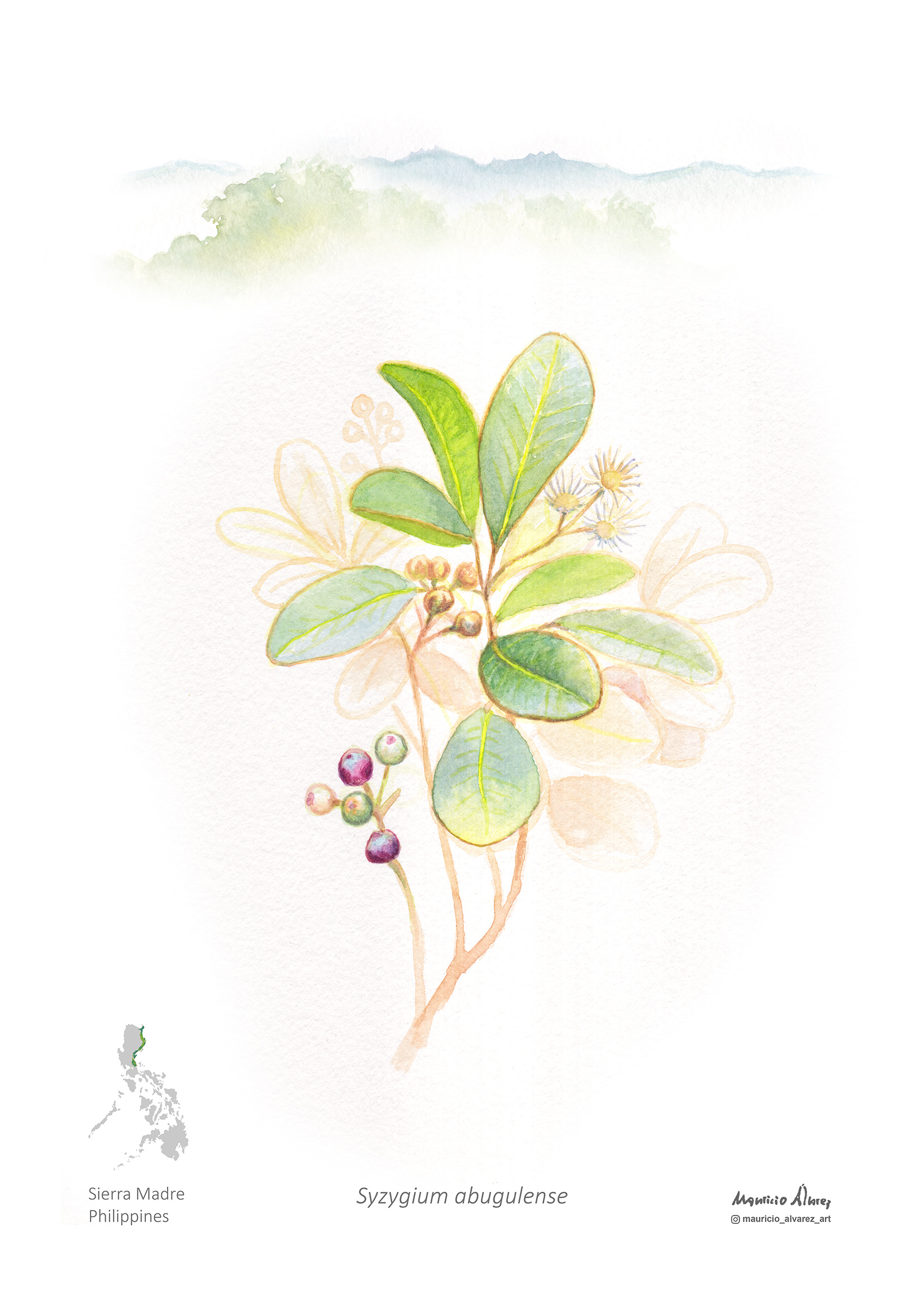
Late last year, I worked with veteran scientific illustrator Mauricio Álvarez Abel,* who amazingly reconstructed Syzygium abulugense, a tree species not documented in the wild since 1912. The illustration was not drawn from life but from century-old botanical material. What struck me was that this act of drawing was not merely technical. It was ethical. The illustration became the first moment in which the species re-entered public imagination.
This experience has shaped how I think about conservation beyond fieldwork and policy. Before protection, funding, or recovery plans, there must first be a presence. Illustration, art, and cultural engagement play a critical role in determining which species are seen, remembered, and valued.
Increasingly, my work sits at this intersection of science, culture, and ethics, asking how absence itself can be made visible and what responsibilities humans carry toward species that exist largely outside contemporary attention.
*Check out Mauricio Alvarez's work here: https://lnkd.in/gctPxAYn

I’m a field-based conservationist and institutional founder working at the intersection of ecology, governance, and knowledge systems in the Philippines.
For over 15 years, my work has involved biodiversity research, trail and landscape exploration, community-integrated conservation, and long-term engagement with Indigenous Peoples and local governments. I’ve worked on species rediscovery, reforestation and carbon forestry, conservation field surveys, and governance-oriented mountain initiatives across Luzon and Mindoro. At present, I lead the Mindoro Warty Pig Conservation Project, consult as a Reforestation Manager for the SJDM Carbon Forest, and conduct ongoing studies on a number of species, namely the Mindoro Hawk-Owl, the Mindoro Bleeding-heart Pigeon, and the Sierra Madre Aquatic Skink.
On top of these, I make sure that my work remains focused in answering a broader question: how societies recognize, translate, and govern ecological reality in biodiversity-rich but institutionally fragmented contexts.
In 2024, I co-founded the Sierra Madre Conservation Society (SierraPH), where I initiated four interlinked programs:
• Found Nation, a counter-archive for forgotten and long-undocumented species
• The Sierra Madre Trail Program, a governance-first framework for ethical movement through mountains
• SierraCon, a knowledge summit connecting science, society, and climate resilience
• The League of Indigenous Peoples Innovators (LIPI), an institutional incubation platform for Indigenous-led governance innovation
Increasingly, my work explores how cultural memory, art, and ethics shape which species are seen, remembered, or forgotten and how these forces influence conservation priorities and public understanding.
Across these efforts, my focus is on building durable structures that allow ecological knowledge, Indigenous authority, and conservation practice to endure beyond individual projects, personalities, or funding cycles.