From Village Paths to Global Stages: A One Health Journey Rooted in Community
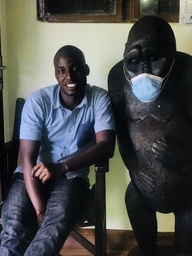
Growing up in a rural village in northern Uganda, I first understood health as something that happened only in clinics and hospitals. Public health, to the community, was about people and nothing more. That early perception would later be challenged in ways I never expected.
As I advanced in my public health studies and career, my perspective shifted further when I encountered the work of Dr. Gladys Kalema-Zikusoka and Conservation Through Public Health (CTPH). For the first time, I saw a story where wildlife, livestock, people, and forests were inseparably linked, and where protecting gorillas directly contributed to community well-being. At first, I saw this as a compelling theory, but I doubted its practicality. Could humans, animals, and ecosystems truly be connected in action? This curiosity became the driving force behind my career and academic growth.
In 2021, I joined CTPH and stepped into Uganda’s conservation landscapes—Bwindi Impenetrable National Park, Queen Elizabeth, Murchison Falls, Kidepo, and Mount Elgon, extending into the DRC, where communities live daily at the intersection of wildlife, poverty, disease, and opportunity. Many believed that gorillas and other wildlife “brought diseases,” or that conservation was only for rangers and scientists.
Slowly, through trust-building and community-led learning, things began to change. CTPH’s Village Health and Conservation Teams (VHCTs) transformed ordinary community members into One Health champions. Reformed poachers became advocates for gorilla health. Women’s groups led biosecurity initiatives. Youth supported wildlife monitoring. Local leaders began openly discussing zoonotic disease prevention.
The turning point came when communities started saying, “Gorilla and wildlife health is our health too—we protect what protects us.”
This affirmed that One Health truly exists and works, inspiring me to deepen both my professional practice and academic journey. I pursued a Master of Public Health (MPH) at Lira University with my research focus on One Health, a Postgraduate Certificate in Global Health at the Human–Animal–Ecosystem Interface (University of Geneva), and additional certifications to expand my knowledge and impact. Today, I see health through a wider, interconnected lens, where humans, animals, and ecosystems coexist in dynamic balance.
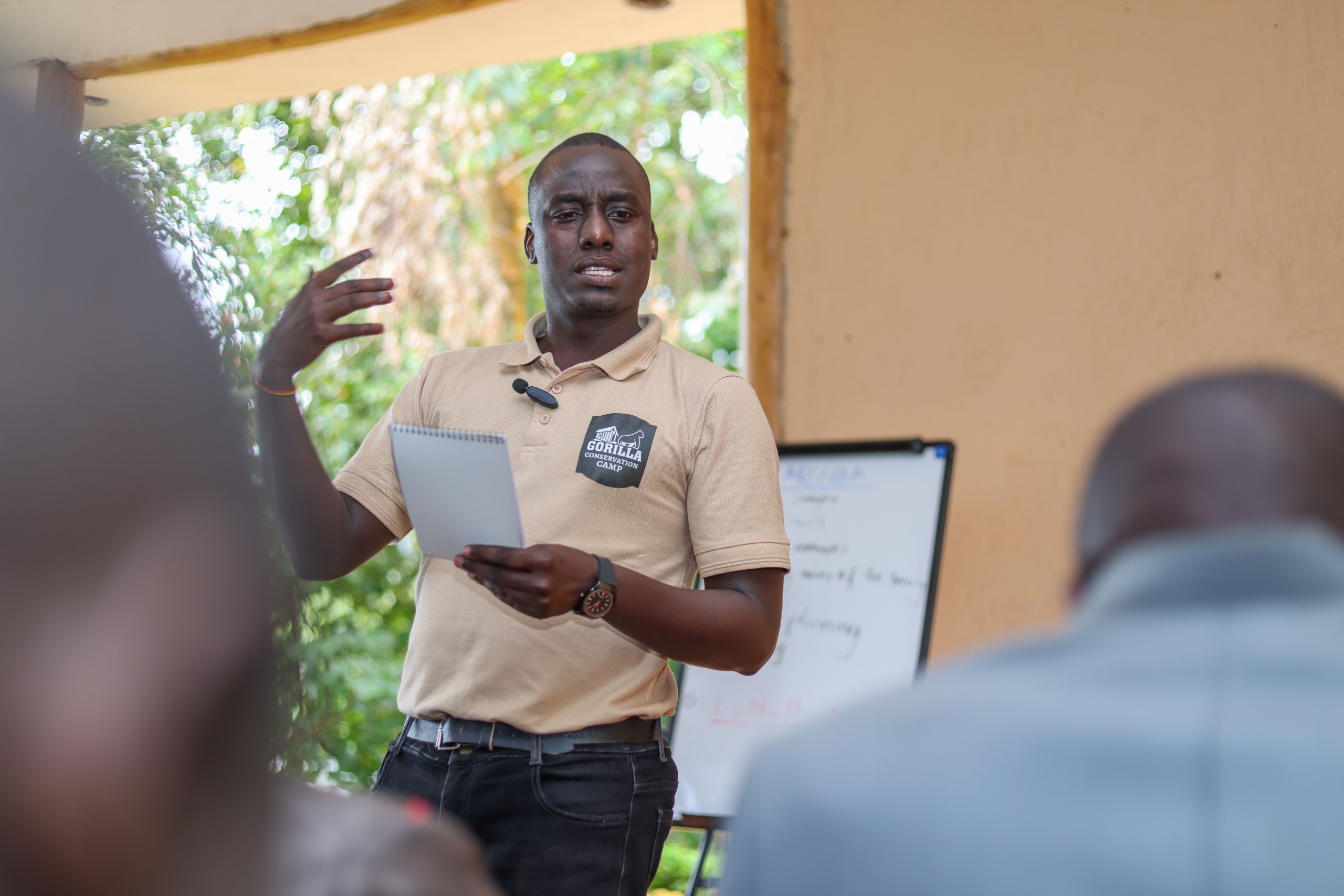
I now coordinate and lead integrated programs that connect human, wildlife, and ecosystem health through zoonotic disease surveillance, Biosecurity and WASH training, Wildlife and great ape health monitoring, Community systems strengthening, Behavior change communication, and Livelihoods–conservation integration
My work spans everything from field-based wildlife health and conservation to designing community-owned health systems that reduce disease transmission between humans, livestock, and wildlife. Academically and scientifically, I continue to contribute to the field through peer-reviewed publications in journals such as Global Public Health, MedRxiv, and CABI One Health, and through institutional reports, including the IUCN 2024 Inter-Sectoral Health–Conservation Collaboration Report and Uganda’s 2021 National Multi-Sectoral One Health Assessment.
This journey has taken me from rural beginnings to global platforms: from training health volunteers in Kisoro, Kanungu, and other communities bordering protected areas to presenting at the World One Health Congress; mentoring young professionals through the International Students One Health Alliance (ISOHA); contributing to the One Health Sustainability Partnership Between EU-AFRICA For Food Security-NESTLER EU-Africa plenary workshops; and serving on international technical committees and advisory groups.
Yet the heart of the story remains unchanged: Strengthening conservation begins with strengthening communities. One Health is not a theory—it is people, relationships, and shared responsibility.
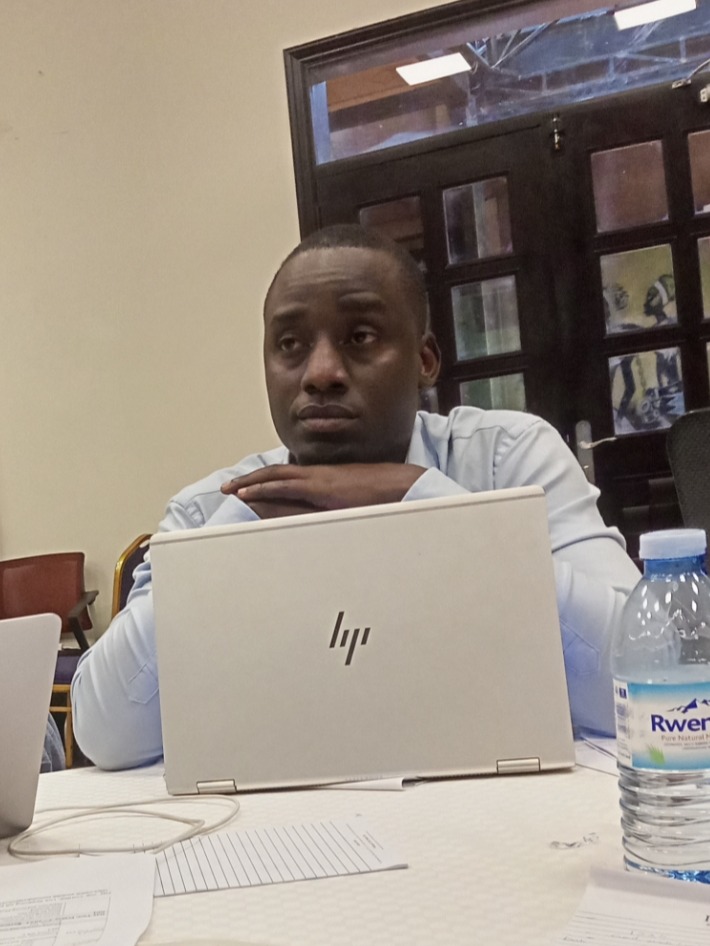
I’m a Ugandan public health and One Health specialist connecting human, wildlife, and ecosystem health. My journey began in a rural village, where health was only seen in clinics. Working with Conservation Through Public Health (CTPH) taught me how communities, wildlife, and ecosystems are inseparably linked.
I lead programs across Uganda’s protected areas with Village Health and Conservation Teams, youth, women’s groups, and reformed poachers to implement disease surveillance, biosecurity, and community-led conservation solutions. I hold an MPH and a postgraduate certificate in Global Health (Human-Animal-Ecosystem Interface, University of Geneva), contribute to peer-reviewed publications, and present at global forums, including the World One Health Congress.
I believe community ownership is not an add-on—it’s the intervention. One Health is not a theory; it’s people, relationships, and shared responsibility.