Lessons from Kitui County: Why Localized Knowledge is Key to ASAL Climate Resilience
Hello WildHub Community,
When we discuss climate change globally, the conversation often revolves around abstract carbon targets and high-level policy frameworks. However, looking at it from Kitui County, Kenya an Arid and Semi-Arid Land climate change is not a future projection.
The Reality on the Ground
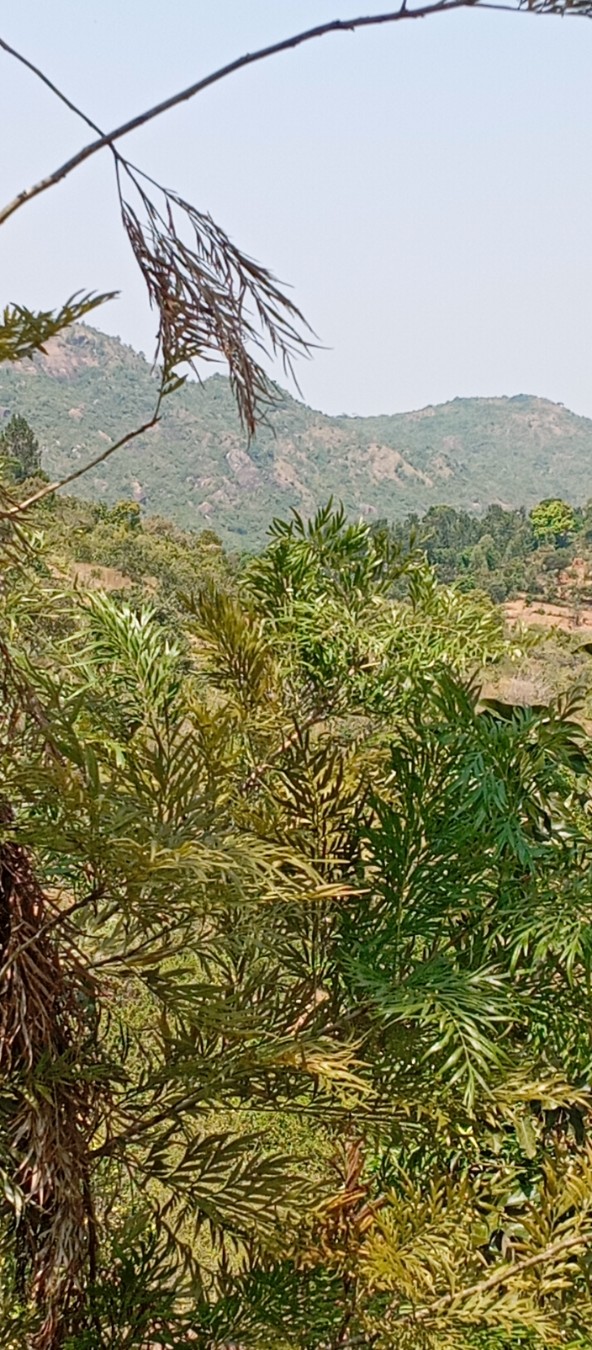
In ASAL regions like Kitui, water scarcity directly impacts smallholder farming and livestock keeping. When the short rains fluctuate, it immediately threatens community food security. The landscape, while resilient, bears the marks of these changing seasonal patterns, forcing local ecosystems and farmers to adapt quickly to survive.
Yet, instead of giving up, local communities consistently find ways to adapt. From the construction of sand dams that naturally filter and store water in dry riverbeds, to grass-roots tree planting initiatives, local residents often hold the practical blueprints for their own survival.
The Lesson: Co-Designing with ASAL Communities
The major lesson for the wider conservation and climate sector is that outside organizations must adapt to local knowledge, not the other way around.
True climate resilience happens when international groups stop treating ASAL communities as mere beneficiaries of aid and start treating them as expert co-designers. For instance, combining modern meteorology with traditional local climate indicators gives farmers the practical, reliable tools they actually need to survive changing seasons.
My Key Takeaways for the Climate Sector
1. Invest in Soil and Water Infrastructure: Prioritize low-tech, highly effective community infrastructure like sand dams and localized tree nurseries.
2. Empower Youth and Schools: Projects that engage the next generation in environmental stewardship have much higher long-term survival rates.
3. Fund Local Leadership: Ensure climate adaptation financing directly reaches grass-roots community groups who understand the terrain.
I would love to hear from other practitioners working in arid climates: What indigenous or localized adaptation strategies have you seen work best in your region?