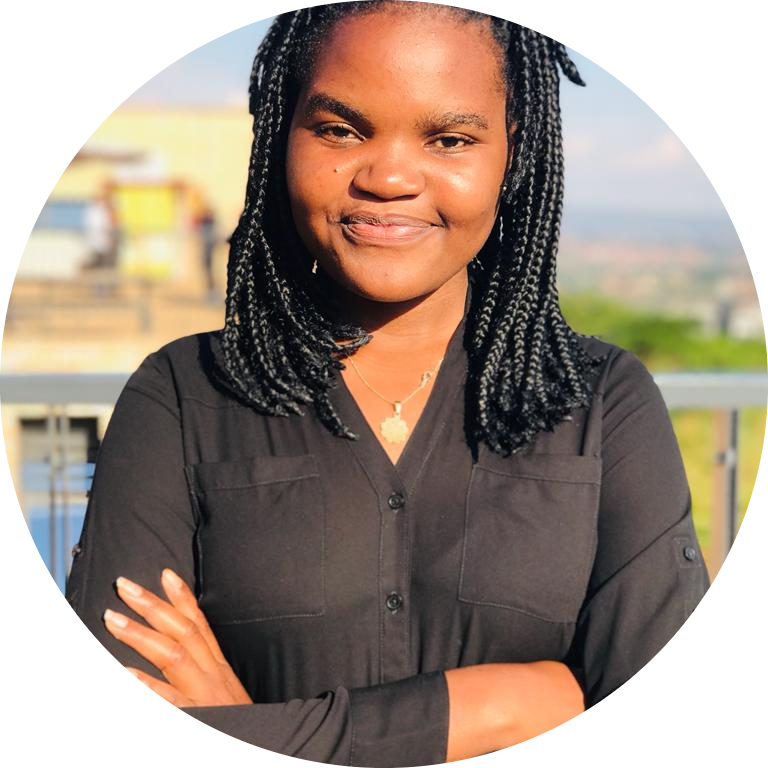
Sikhangele Sibanda (She/Her)
Research assistant , Fauna and Flora Zimbabwe Trust
- Member directory
- Zimbabwe

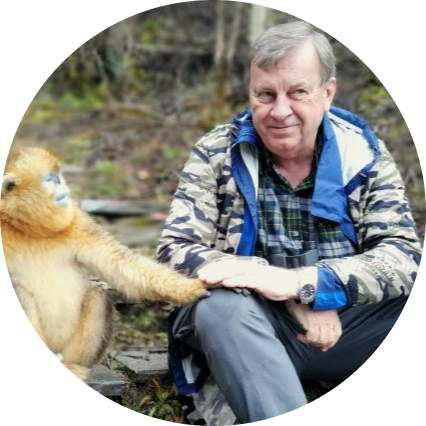
Jim Barborak is Senior Adviser of the Center for Protected Area Management at Colorado State University, an outreach arm of the Warner College of Natural Resources at CSU. His B.S. and M.S. in natural resources are from Ohio State University, and he took additional coursework mid-career at the Yale School of Forestry and Environmental Studies. His specialties include protected areas and corridor planning and management; wildlife management; conservation finance, policy and governance; capacity building; and ecotourism. He began his career working for county government in his native Ohio, and then joined the US Peace Corps as a Volunteer and was assigned to work with the Honduran Wildlife Department. That began an international career now spanning more than 40 years. He has worked for US, Costa Rican and Honduran government conservation agencies, as a consultant to several UN organizations including UNESCO, the UN Development Program and FAO, as a private consultant, and for universities. He has worked in nearly 30 countries, particularly in Latin America and the Caribbean, but also in Africa and Asia. He is an active member of the World Commission on Protected Areas and serves on several of its specialist groups, including those on Tourism, Conservation Finance, Capacity Building, and Indigenous Peoples, Local Communities and Equity. He is a native English speaker, fluent in Spanish, and speaks conversational Portuguese. Throughout his career, Jim has worked on efforts to plan and develop increased opportunities for public enjoyment of protected areas, through tourism, recreation, and environmental education programs. At the same time, he has been actively involved in efforts to increase the stream of benefits to local communities and indigenous populations living in and around protected areas, through their direct involvement in tourism and through other mechanisms to create employment and improve livelihoods in conservation units, the buffer zones that ring them, and the corridors that connect them.

Edy Hendras Wahyono
Conservation Education, Nature Conservation Education Foundation (YAPEKA)
Saya Edy Hendras, sebelumnya sebagaai peneliti mengenai primata terutama oranguta, dan sudah menulis tentang buku panduan lapangan untuk primataa Indonesia.
Kami mempunyai lembaga Yayasan Pendidikan Konservasi alam, yang didirikan sejak tahun 2004. Kegiatan yayasan kami adalah pendidikan lingkungan untuk pelatihan guru, pembuatan buku modul sekolah, buku permainan serta buku-buku yang terkait dengan keagaamaan, misalnya Buku Modul Pendidikan Lingkungan Untuk Pesantren.
Selain itu juga membantu dalam berbagai kegiatan pemberdayaan masyarakat, seperti pengembangan ekowisata, pertanian organik, pembuatan biogas serta peningkatan kapasitas. Semua kegiatan di lakukan baik di teresterial ataupun di laut/marine, yang terkait dengan konservasi kawasan

After a decade of training to be a wildlife conservationist, I founded Lonely Conservationists to help conservationists thrive by providing a platform to be heard, employment pathways and a strong community foundation. As well as running Lonely Conservationists, I teach sustainability incursions and excursions to school students in a classroom, forest and marine park environments.
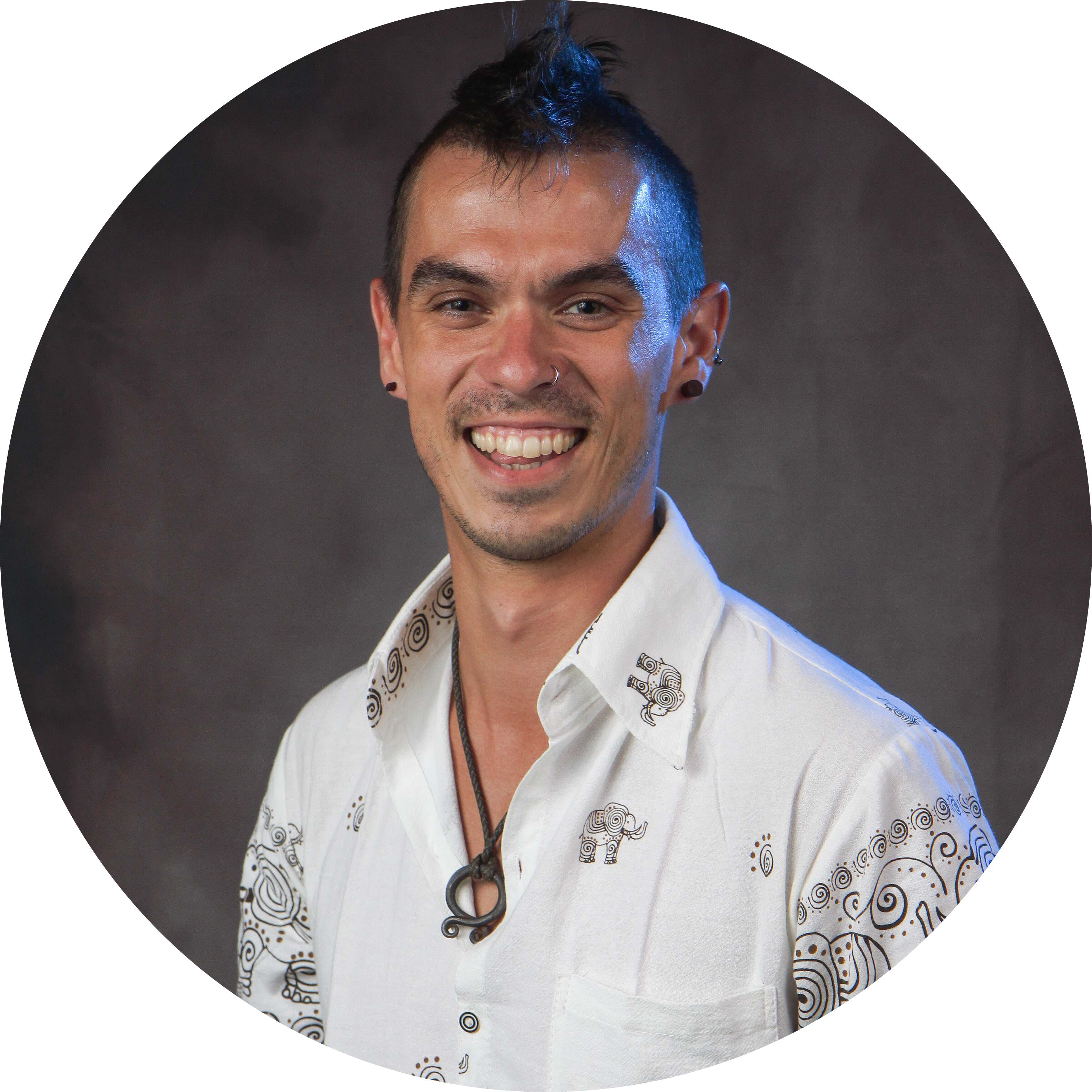
Adam Roberts
Counter-Wildlife Trafficking / Conservation Biologist / Wildlife Photographer, Self Navigating!
Dice alumni, Conservation Biology MSc.
Adam has been a global wildlife conservation practitioner in wildlife trade, a forager, ranger, field guide, and wildlife photographer for over 18 years. He has worked within Cambodia for 8 years with NGOs including the Wildlife Conservation Society, Jahoo, Elephant Valley Project, and Marine Conservation Cambodia. His writing, captures, and photo journalism has been shared by NatGeo, Disney, Traffic, and the IUCN. He focuses his photographic work on the unseen, wildlife trade, and environmental education, giving nature a voice not commonly heard. He hopes that his work inspires a different perspective on our human place within nature as its protectors, not living alongside it, but rather living as one and creating a better world to leave for future generations.

Louisa Richmond-Coggan
Founder & Conservation Consultant, LRC Wildlife Conservation Consulting
Is your organisation's technology decision-making as structured as it needs to be? Conservation organisations face real pressure to adopt technology, often without a clear process for assessing whether it fits their context, capacity, and conservation goals.
The free Conservation Technology Decision Quiz takes five minutes. It scores your approach across three areas: Decision Clarity, Fit and Feasibility, and Delivery and Performance. Results include practical recommendations matched to your score, so you can see where your decision process is strong and what to address first. Start here: Technology Decision Quiz
I work with conservation organisations and funders on structured technology decision-making, the process that determines whether adoption actually works. Twenty-five years in conservation across the Global South. Technology-agnostic, no vendor affiliations.
If your team is navigating a technology decision, evaluating a pilot, or funding organisations that are, I'd welcome a conversation.
BACKGROUND
Dr. Louisa Richmond-Coggan. My career spans field-based ecology, international NGO and policy work, academic leadership, and conservation technology decision-making.
Field career: large carnivore ecology and human-wildlife coexistence research across Eastern and Southern Africa, including as Head of Ecology at the Cheetah Conservation Fund in Namibia. I led Namibia's National Leopard Census, a multi-stakeholder project whose results fed into national and international policy. I built the Carnivore Tracker app, the first of its kind in Namibia.
Institutional career: BirdLife International, UNEP-WCMC, TRAFFIC International, Earthwatch. Academic Dean at the School of Wildlife Conservation at the African Leadership University. Technology and innovation work with IUCN Tech4Nature, including leading three Innovation Challenge Workshops and contributing to the strategic guidance framework on conservation technology adoption.
The Navigating Web 3.0 Guide: A Tool for Conservation came out of that work. It is a decision-support tool that starts with your conservation goals and operational realities, not the technology. 34 guided questions assess which emerging technologies are worth exploring across four areas: data collection and management, resource allocation and financial management, collaboration and communication, and monitoring and evaluation. Now integrated into the IUCN GSAP SKILLS platform. This guide is where the decision-support work started, and it remains the clearest entry point into conservation technology decision-making for teams new to this field.
Research at the International Conservation Technology Conference, Lima in 2026 confirmed what I had been building toward: the gap in conservation technology is not the tools. It is the structured process for deciding whether, which, and how technology fits an organisation's context.
PhD, Nottingham Trent University. MSc Conservation Biology, Durrell Institute. Fellow of the Royal Geographical Society. IUCN WCPA Task Force on Human-Wildlife Coexistence. Member of the Nature Tech Collective and Top Tier Impact.
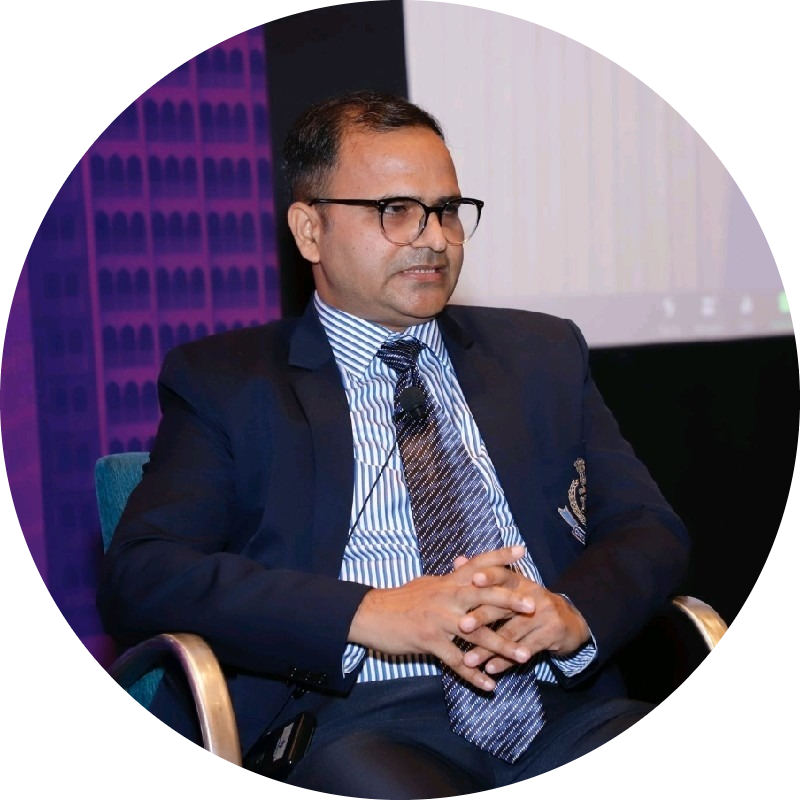
Arvind Kumar Chaurasia
Indian Revenue Service, Central Board of Indirect Taxes & Customs (CBIC)
I am an Indian Revenue Service (Customs & Indirect Taxes) officer with vast experience of law enforcement especially in tackling transnational smuggling including willdife trafficking. Also, as an expert I have been conducting sessions on various aspects of wildlife crimes and its convergence with other serious crimes, legal and enforcement framework to counter it, wildlife cyber crime, OSINT for combating wildlife crime, combating money laundering associated with wildlife crime, CITES, role of Customs in tackling the menace of wildlife crime, Digital Forensics etc. for forest, police, customs and other enforcement agencies' officials.

Affordable, flexible and sociable online learning in technical skills for conservation and open education. Support for virtual and hybrid conferences and events

Outdoors enthusiast, snowboard and kitesurf addict with a background in visual communication. As a fan of outdoor sports, I’ve always been fascinated by nature and the complexities of our ecosystem, it makes me want to do all I can to preserve nature and see it flourish. Hence, in 2018 I've created Motion Aptitude. With our animations and illustrations, we’ve been helping universities and organisations sharing stories and scientific studies related to Environmental Science and other allied disciplines such as Biodiversity, Ecology, Wildlife Conservation and Animal Welfare. We aim to foster a sense of curiosity and interest in the natural world and science, so people can connect more deeply with the environment and the world around them. Our Vision is to help reconnect people of all generation with nature to ensure a sustainable future. Our Mission is to inform and inspire viewers with our compelling animated stories. Are you ready to elevate your communication to the next level? Let's talk ▶️ hello@motionaptitude.com
Highly experienced in supporting policy and decision making through delivering data on marine species, coastal pollution, and water delivery on the local, state, and federal levels. Early in my career I took every opportunity I could to gain experience in marine mammal science from California to Quebec. These opportunities created strong connections eventually guiding me to researching plastic pollution while earning my masters degree. As I finished writing my thesis, I began working with NASA on projects using satellite imagery and big data to investigate drought, this experience immensely strengthened my project management, mapping, and analytical skills. Last year I ventured into conservation writing wanting to build on my science communication skills. I would be happy to feature your project or career journey as a blog post within WildHub, so feel free to reach out to set up a short chat/interview.
Data, databases and apps ( Claris FileMaker ) for nature conservation and sustainability research. Funding expertise as a bonus

I studied Marine Biology in San Diego, California and Wildlife Biology & Conservation in Edinburgh, Scotland. I volunteered, interned, and worked in various capacities at the Monterey Bay Aquarium, Hopkins Marine Station, and on a small whale-watching outfit prior to my MSc, and I now work as a Program Delivery Facilitator at the SMUD Museum of Science and Curiosity in Sacramento, California. My passions lie in informal science education, outreach, and public engagement in the sciences.
I lead Whitley Fund for Nature's grants programme. We support a growing network of over 200 grassroots conservationists globally with access to funding, connections and publicity. Previous to this role, I worked for Galapagos Conservation Trust for over seven years across project management and operations/finance. I hold an MSc in Conservation Science from Imperial College London. I am passionate about habitat restoration, the conservation of endemic species and inspiring the next generation of conservation leaders.
Fátima D. Gigante
Program Coordinator / Coordinator, CoalitionWILD / Women in Nature Network (WiNN)
Interdisciplinary conservation professional. Consultant at the European Forest Institute and coordinator for CoalitionWILD 2022 Global Mentorship Programme. Passionate about the social dimensions of natural resource management, community-based conservation, participatory methodologies and human-wildlife conflicts.