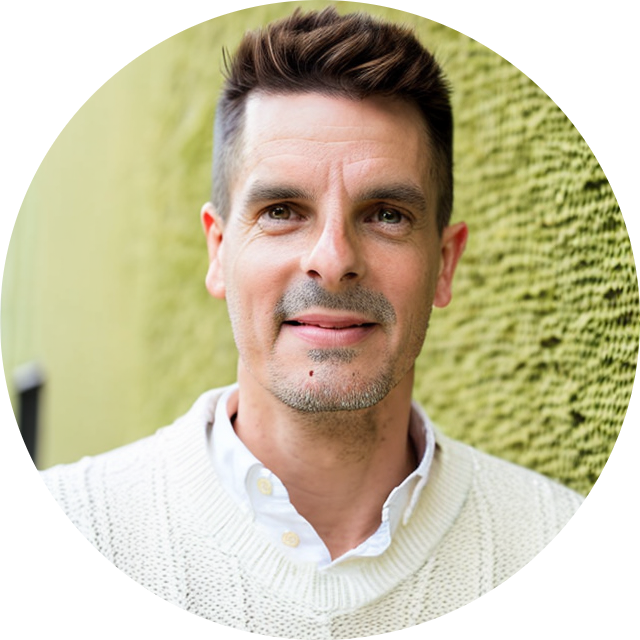
My background is mainly in species conservation, education and capacity exchange. I researched mother-young interactions in gorillas and chimpanzees, in captivity and the wild. After that, I worked for three years in Indonesia, where I developed and implemented youth ambassador and community engagement programmes on local and regional scales. I co-founded WildHub, a community of nature conservation professionals, in 2020 and work as their Community Lead. I am furthermore on the Advisory Board of the Durrell Institute of Conservation and Ecology (DICE) at the University of Kent where I obtained my PhD on capacity development for conservation in 2022.

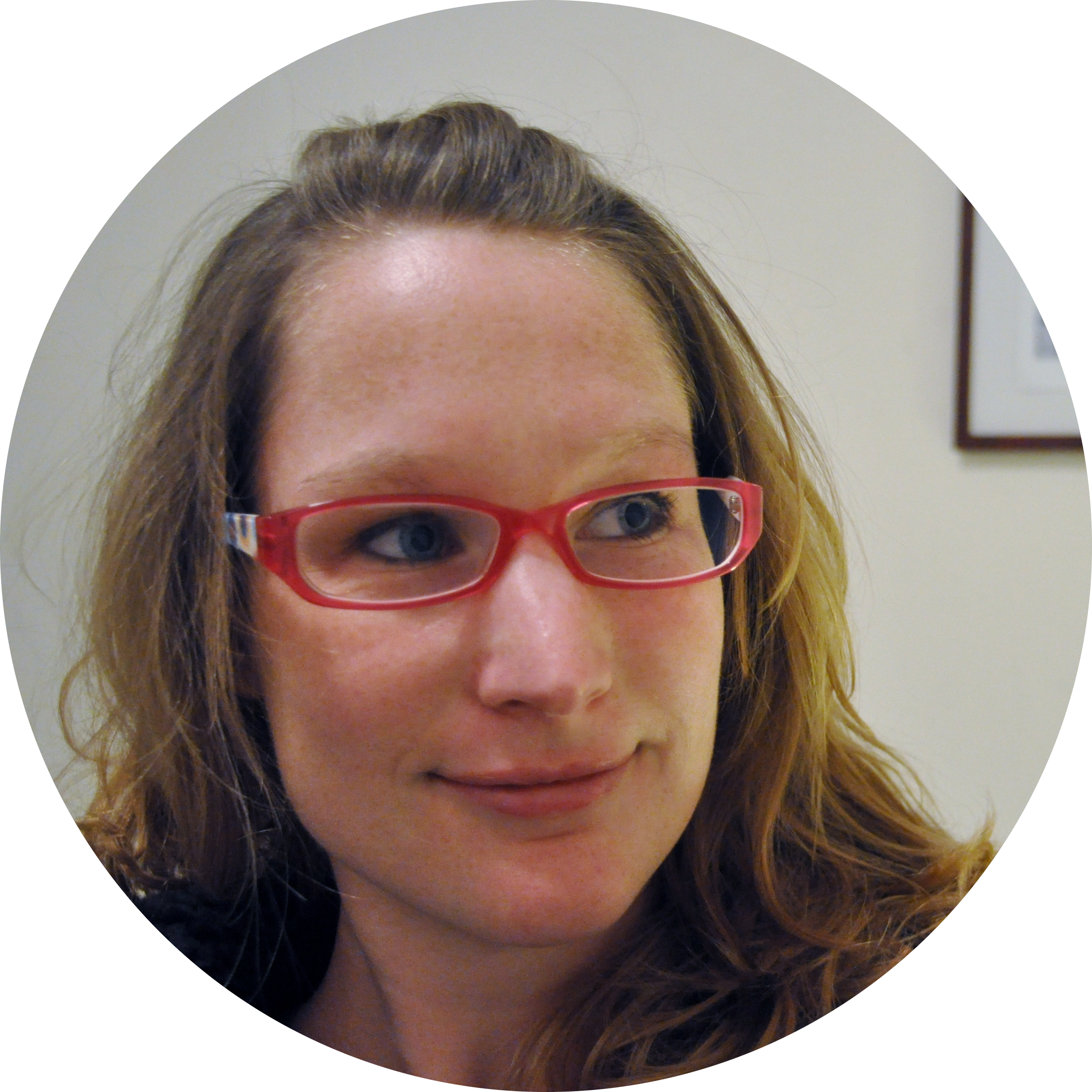
Hello! I'm Léa and I'm a WildLearning Specialist with WildTeam UK. I help create, design and deliver training courses. I love getting to know all the participants and learning from them :)
Previously, I was working with BirdLife International on forest governance issues and in my previous life I worked in the development sector in the United States. Education-wise, I have studied economic development, international relations as well as tropical forestry in the past.
Hope to catch you in a WildHub social!
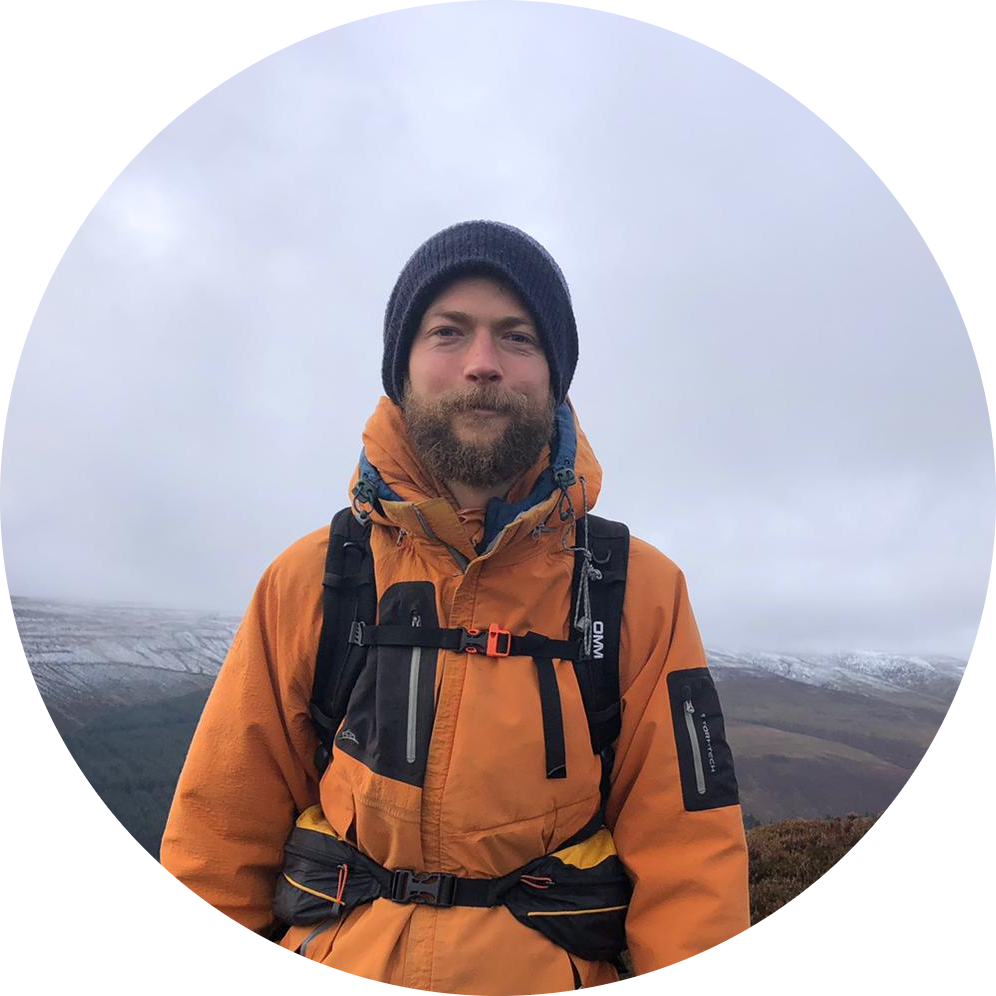
I work for WildTeam UK, helping to deliver training workshops, write conservation best practice manuals and share them as widely as possible. Previously a Writing Fellow working with various conservation organisations across India. Background in research, particularly behavioural ecology. Bird nerd.
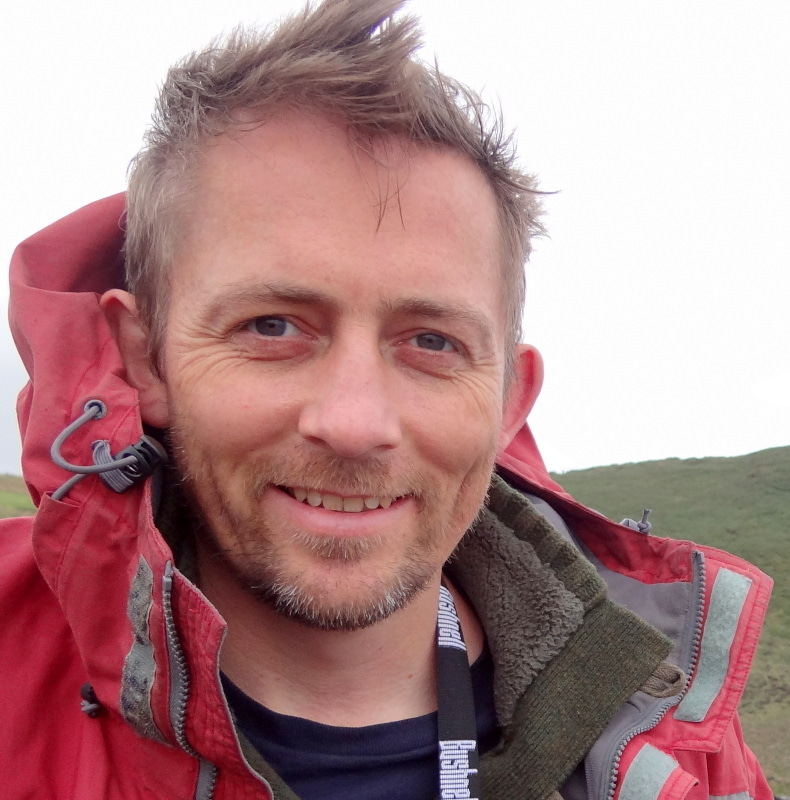
I help run a UK charity that builds the capacity of conservationists to plan, implement, monitor, and report on their work. I also have a fair bit of experience in tiger and sea turtle conservation.

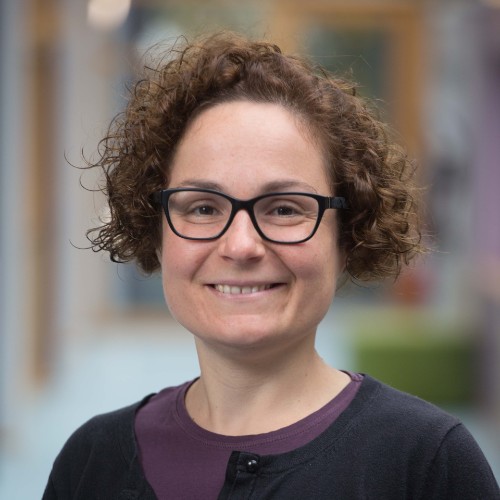

Louisa Richmond-Coggan
Founder & Conservation Consultant, LRC Wildlife Conservation Consulting
Is your organisation's technology decision-making as structured as it needs to be? Conservation organisations face real pressure to adopt technology, often without a clear process for assessing whether it fits their context, capacity, and conservation goals.
The free Conservation Technology Decision Quiz takes five minutes. It scores your approach across three areas: Decision Clarity, Fit and Feasibility, and Delivery and Performance. Results include practical recommendations matched to your score, so you can see where your decision process is strong and what to address first. Start here: Technology Decision Quiz
I work with conservation organisations and funders on structured technology decision-making, the process that determines whether adoption actually works. Twenty-five years in conservation across the Global South. Technology-agnostic, no vendor affiliations.
If your team is navigating a technology decision, evaluating a pilot, or funding organisations that are, I'd welcome a conversation.
BACKGROUND
Dr. Louisa Richmond-Coggan. My career spans field-based ecology, international NGO and policy work, academic leadership, and conservation technology decision-making.
Field career: large carnivore ecology and human-wildlife coexistence research across Eastern and Southern Africa, including as Head of Ecology at the Cheetah Conservation Fund in Namibia. I led Namibia's National Leopard Census, a multi-stakeholder project whose results fed into national and international policy. I built the Carnivore Tracker app, the first of its kind in Namibia.
Institutional career: BirdLife International, UNEP-WCMC, TRAFFIC International, Earthwatch. Academic Dean at the School of Wildlife Conservation at the African Leadership University. Technology and innovation work with IUCN Tech4Nature, including leading three Innovation Challenge Workshops and contributing to the strategic guidance framework on conservation technology adoption.
The Navigating Web 3.0 Guide: A Tool for Conservation came out of that work. It is a decision-support tool that starts with your conservation goals and operational realities, not the technology. 34 guided questions assess which emerging technologies are worth exploring across four areas: data collection and management, resource allocation and financial management, collaboration and communication, and monitoring and evaluation. Now integrated into the IUCN GSAP SKILLS platform. This guide is where the decision-support work started, and it remains the clearest entry point into conservation technology decision-making for teams new to this field.
Research at the International Conservation Technology Conference, Lima in 2026 confirmed what I had been building toward: the gap in conservation technology is not the tools. It is the structured process for deciding whether, which, and how technology fits an organisation's context.
PhD, Nottingham Trent University. MSc Conservation Biology, Durrell Institute. Fellow of the Royal Geographical Society. IUCN WCPA Task Force on Human-Wildlife Coexistence. Member of the Nature Tech Collective and Top Tier Impact.
I'm a biodiversity consultant working mainly in the corporate space. I work with large companies to help them figure out their nature-related impacts, dependancies, risks and opportunities, then use this information to create biodiversity strategies.