Empowering Change: Vimbainashe Chitauro on Conservation Education and Community Engagement
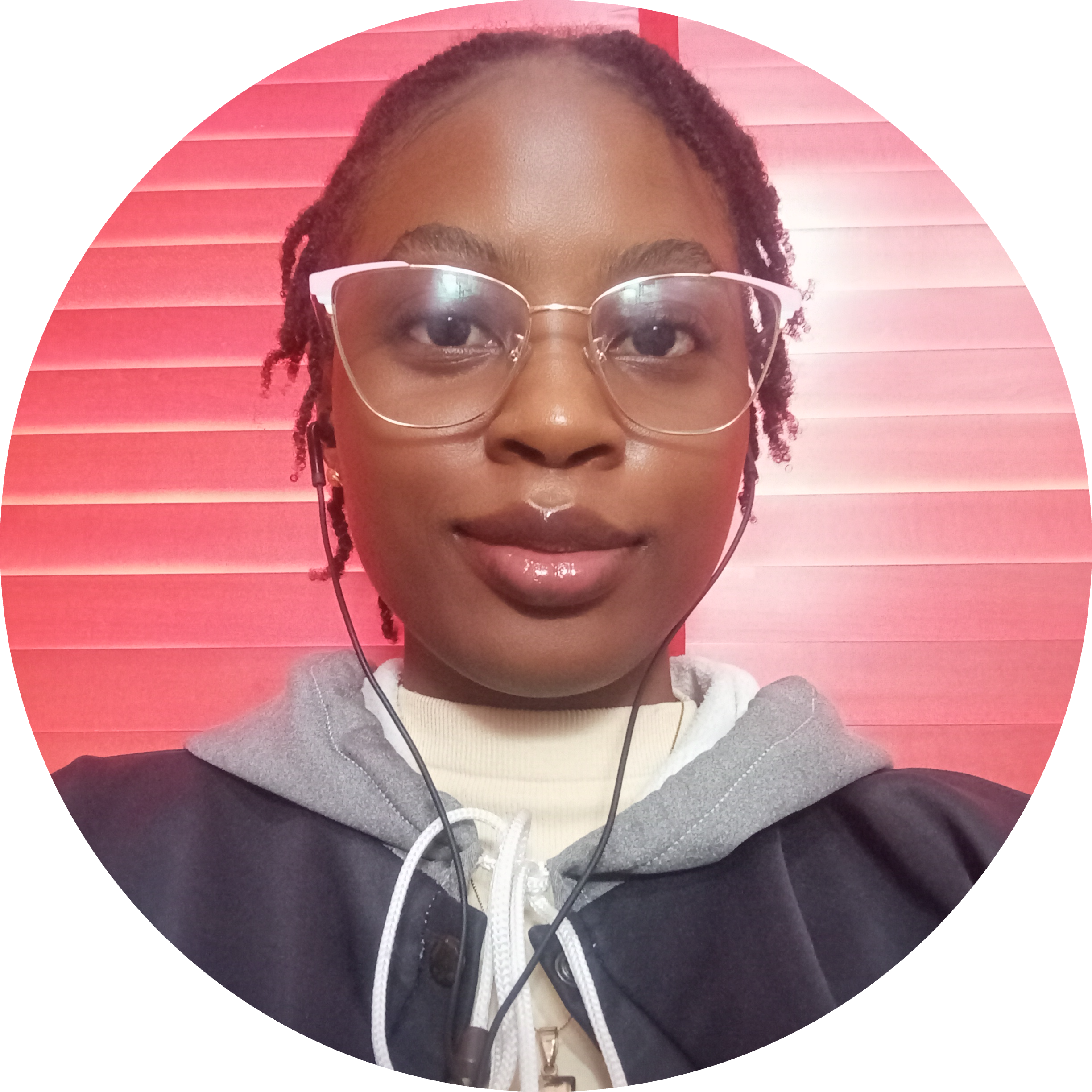
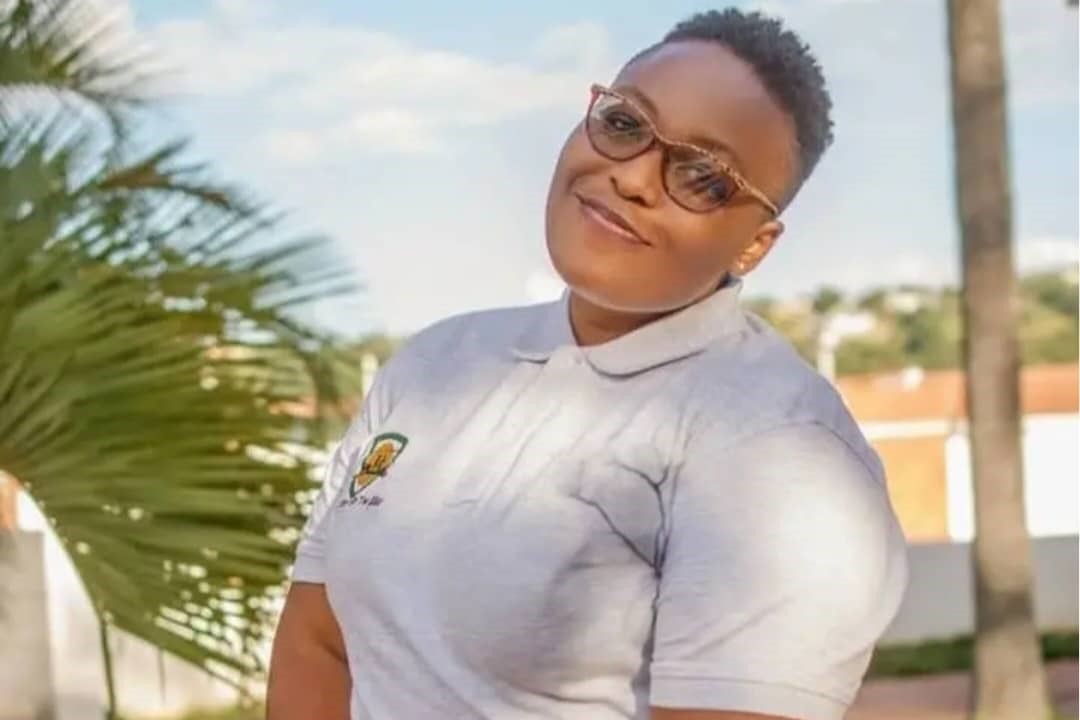
Here is my first article on an interview with Vimbainashe Chitauro from Zimbabwe, a dedicated Conservation Education Specialist with a wealth of experience in wildlife conservation. Vimbainashe Chitauro shared her journey, challenges, and perspectives on effective conservation strategies and community engagement.
Q: Can you tell us about your journey and how you got started in conservation education?
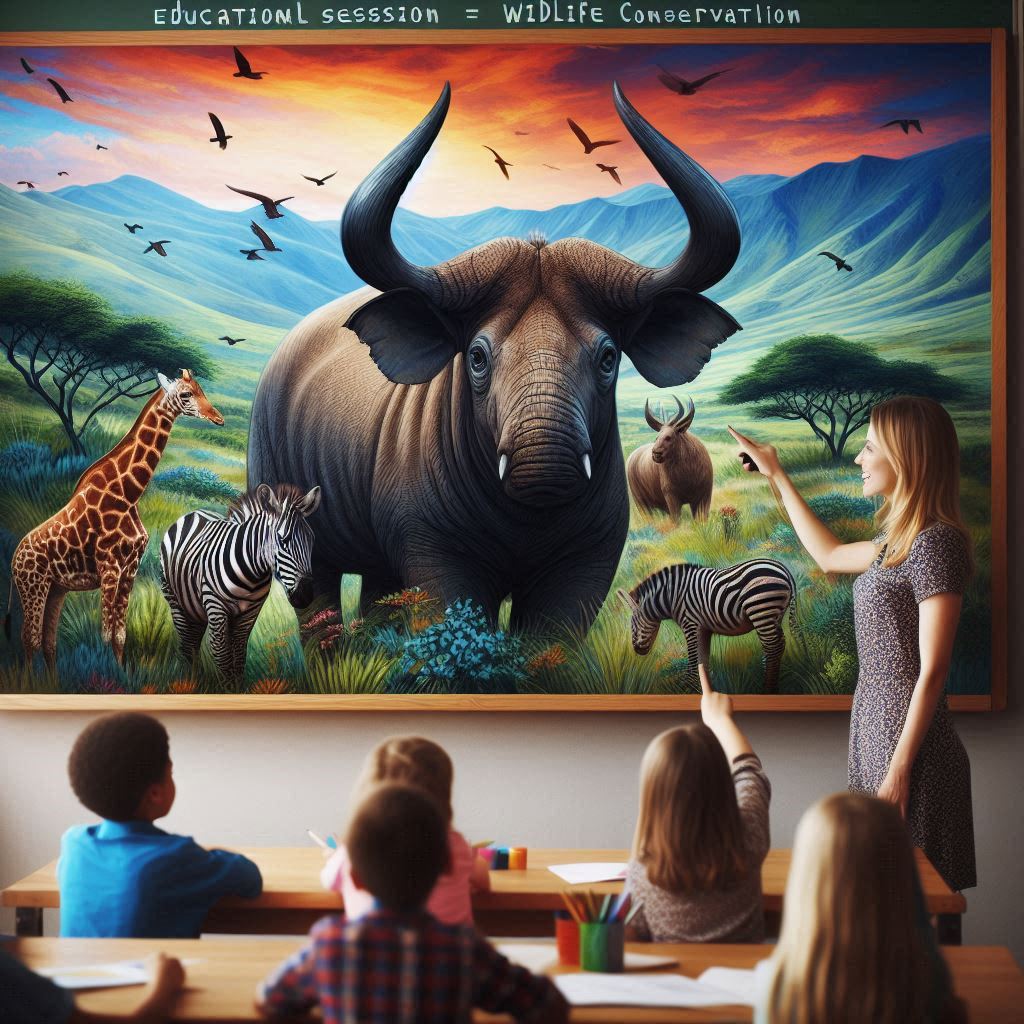
I began my journey in conservation as a graduate intern for the African Wildlife Conservation Fund in Zimbabwe. This experience piqued my interest in conservation education. I then joined Wildlife Conservation Action, where I worked as a conservation education programme manager. During my time there, I created the "Guardians of the Wild" programme, which is still active today. We initiated conservation clubs in schools across Harare, developing curricula to educate urban children about wildlife conservation.
Q: What were some of the key conservation education initiatives you developed at Wildlife Conservation Action, and how have they impacted local communities?
My primary goal was to educate urban children, who often have a limited understanding of wildlife conservation beyond what they see on TV. We aimed to provide them with practical knowledge, like not killing a python if they encountered one. This kind of education is crucial, as urban children often lack firsthand experience with wildlife. At Zambezi Valley Conservation Network, I worked on conservation education and community engagement projects in rural areas, where children also need guidance on living harmoniously with wildlife.
Q: What challenges did you face as a field officer at Zambezi Valley Conservation, and how did you overcome them?
One of the biggest challenges was gender bias. In rural communities, women are often not taken seriously. I had to work extra hard to earn their respect and cooperation. Being young and a woman, I had to constantly prove my competence. However, by demonstrating respect for their culture and values and ensuring the community was involved in every step of project implementation, I was able to build trust and overcome these challenges.
Q: How do you build trust and cooperation with local communities that may be hesitant to work with conservationists?
Respect is paramount. Many communities feel that conservationists value animal lives more than human lives. It's crucial to respect their values and cultures and ensure that our interventions genuinely aim to improve their livelihoods. Fulfillment of promises is also key; communities often feel let down by projects that start with great enthusiasm but are not seen through to completion. Including the community in every decision and regularly engaging with them helps build lasting trust.
Q: How do you balance conservation efforts with the livelihood concerns of local communities?
It's essential to tailor interventions to the specific needs of each community. Education plays a crucial role here. People need to understand why conservation is important and how it benefits them in the long run. My motto is "There is no conservation without education." By educating communities, we ensure they understand and support our initiatives, which leads to more sustainable outcomes.
Q: What strategies have you found effective in sharing conservation messages with communities?
Constant engagement is vital. Regular meetings with community members at every stage of project implementation ensure that they are kept informed and can provide feedback. This continuous dialogue helps address any issues promptly and fosters a sense of ownership among the community members.
Q: How did you overcome the challenges of age and gender bias in conservation, and what advice would you give to young women entering this field?
Standing your ground and showing respect are critical. Demonstrate your competence through your work, and let your results speak for themselves. I was fortunate to work in female-led organisations, which minimised internal challenges related to gender bias. For young women entering the field, my advice is to remain passionate and persistent. Don't let biases deter you. If you're good at what you do, people will eventually recognise and respect your contributions.
Q: Can you share a memorable experience from your conservation work that has shaped your perspective?
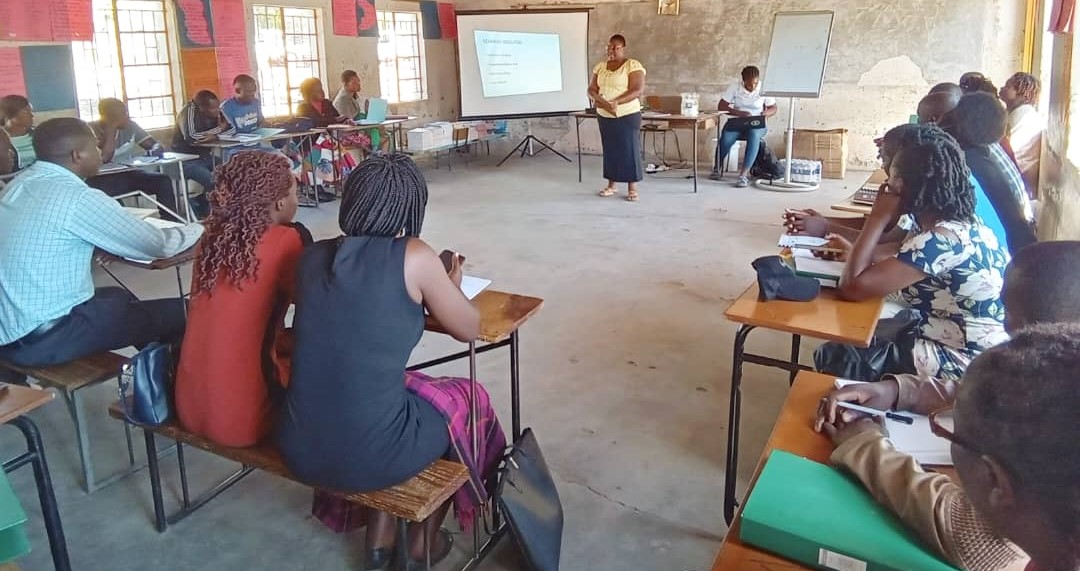
One of my fondest memories is from Muzarabani, where we asked children to recite poems about trees. Hearing them personify trees and speak passionately about their importance was incredibly rewarding. These interactions with children, planting trees, and educating them about wildlife conservation have been some of the most fulfilling aspects of my career. Seeing the respect and trust I earned from older community members was also very gratifying.
Q: What role does passion play in sustaining a career in wildlife conservation?
Passion is everything in this field. Conservation work involves a lot of travel, fieldwork, and often challenging conditions. Without passion, it's easy to get discouraged. Passion drives you to volunteer, gain experience, and persevere through difficult times. It's not about the money; it's about the love for nature and the desire to make a difference. Passion keeps you motivated even when the work is tough and the rewards are not immediately apparent.
Q: What advice would you give to aspiring conservationists, especially in regions with limited opportunities?
Volunteer as much as you can to gain experience and build your CV. Seize every opportunity that comes your way. Passion will keep you going, even when opportunities are scarce. Network with professionals in the field and stay informed about developments in conservation. Remember, it's not about the money, but the impact you can make. Stay passionate and persistent, and eventually, your dedication will pay off.
Q: Any final thoughts or advice for those interested in wildlife conservation?
Conservation is challenging but incredibly rewarding. It's about making a difference for future generations. Stay passionate, respect the communities you work with, and always be ready to learn. Conservation is not just a job; it's a lifelong commitment to preserving our planet's natural heritage.
A huge THANK YOU to @Vimbainashe Eunick for sharing her journey and lessons learned with us!