Scientists discover that this lizard has a sixth sense, a finding that could broaden our knowledge of human hearing loss
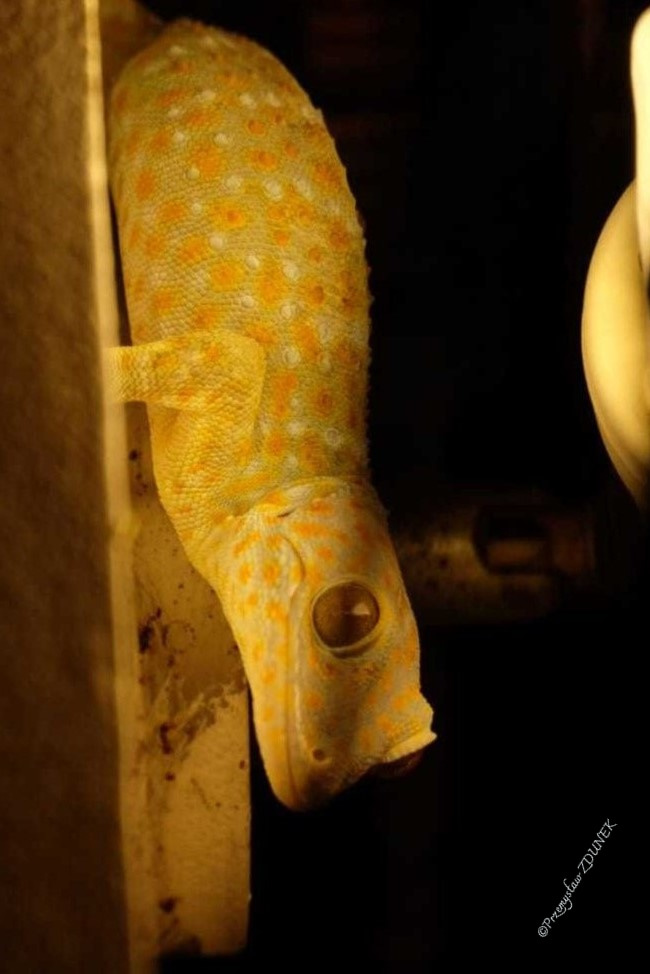
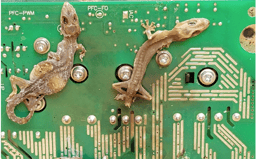
Discovering that gecko were able to detect vibrations from the ground, researchers concluded that they used their inner ear to pick up infrasound (<125 hz), giving them a sixth sense, calling into question the reptiles' inability to hear and communicate with each other.
According to a study published in Current Biology (2024) by biologists at the University of Maryland in the USA, geckos have a strange sixth sense, which could be of interest to humans.
This small reptile from the Gekkonidae family is capable of using its inner ear [a complex structure made up of two major parts: the hearing organ (cochlea) and the balance organ (vestibular system)] not only to maintain balance, but also to pick up certain low-frequency vibrations.
Low-frequency sounds, or infrasound, are below 125 Hz. Natural sources include earthquakes, thunderstorms and volcanoes. There are also man-made sources, including “rail, air and road traffic”. According to the study, the gecko is capable of detecting vibrations in the 50-200 Hz range.
This sensory system enables geckos to detect vibrations through media such as soil or water. This is an important evolutionary clue as to how the auditory system evolved from fish to land animals, including humans.
In addition to this discovery, it also implies that reptiles, supposedly deaf and dumb, would in fact have the ability to communicate with their peers thanks to this ability to hear infrasound and using terrestrial signals.
This sensory pathway is a game-changer. It opens up new perspectives for studying how animals interact with their environment, and may even reveal new insights into hearing and balance disorders in humans.
If you want more information, I encourage you to read the references:
Dawei Han, Catherine E. Carr. Auditory pathway for detection of vibration in the tokay gecko. Current Biology, 2024
More interesting facts from the world of herpetology on my new page:
https://www.facebook.com/profile.php?id=61573408584356
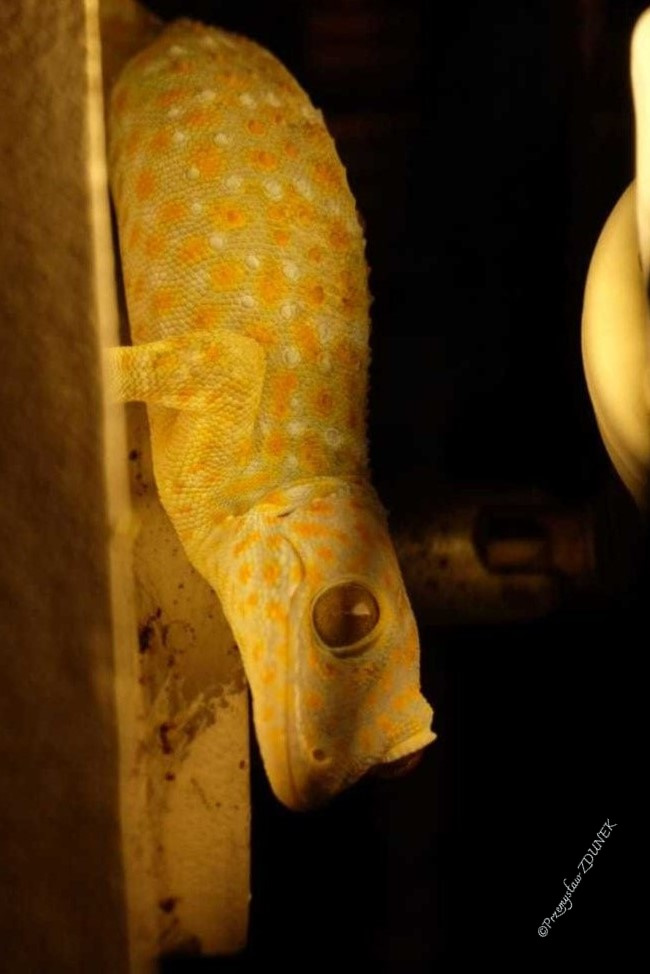
#tokay #tokaygecko #gecko #lizards #sauria #nature #herpetology