Pedro Miguel Gomes de Freitas
Conservation Biologist Looking For Opportunities, Unemployed
- Member directory
- United Kingdom
My background is mainly in species conservation, education and capacity exchange. I researched mother-young interactions in gorillas and chimpanzees, in captivity and the wild. After that, I worked for three years in Indonesia, where I developed and implemented youth ambassador and community engagement programmes on local and regional scales. I co-founded WildHub, a community of nature conservation professionals, in 2020 and work as their Community Lead. I am furthermore on the Advisory Board of the Durrell Institute of Conservation and Ecology (DICE) at the University of Kent where I obtained my PhD on capacity development for conservation in 2022.
I'm a biodiversity consultant working mainly in the corporate space. I work with large companies to help them figure out their nature-related impacts, dependancies, risks and opportunities, then use this information to create biodiversity strategies.
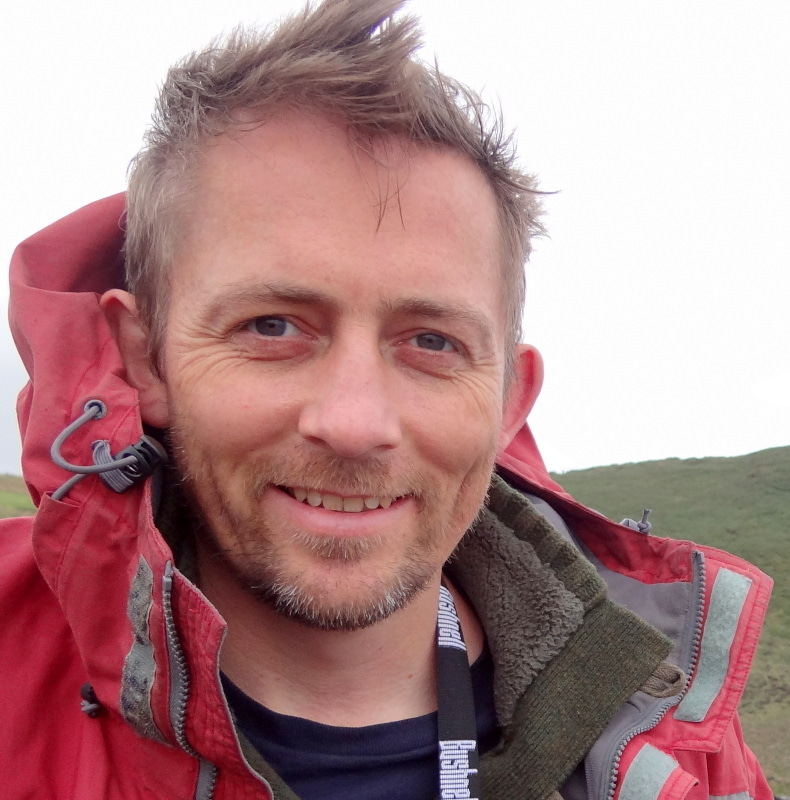
I help run a UK charity that builds the capacity of conservationists to plan, implement, monitor, and report on their work. I also have a fair bit of experience in tiger and sea turtle conservation.

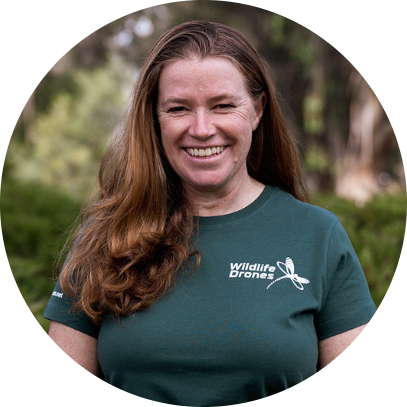
For over 20 years, Dr Debbie Saunders has worked as a wildlife biologist, specialising in threatened species conservation management and worked with diverse teams of talented people to develop the world’s most advanced drone radio-telemetry solution – resulting in the establishment of Wildlife Drones.
As a passionate founder, CEO and Chief Remote Pilot of this award-winning deep tech company, Dr Saunders gets to empower wildlife biologists and land managers to achieve greater insights and conservation impact all around the world by cost-effectively collecting more data, more often with less effort.
How can Wildlife Drones help you? - Track up to 40 animals simultaneously and in real-time - Survey difficult terrains like rugged mountains and swamp areas easily - Save time, effort and money so you can focus on what really matters - Collect more data, more often with less effort
She has received an ACT Innovation Award as well as an ACT Government Innovation Connect grant for her creative business solutions for challenging research problems.
Debbie believes that drones are a highly valuable and flexible tool that provide unprecedented opportunities for new insights into the world’s most complex and fascinating natural ecosystems.

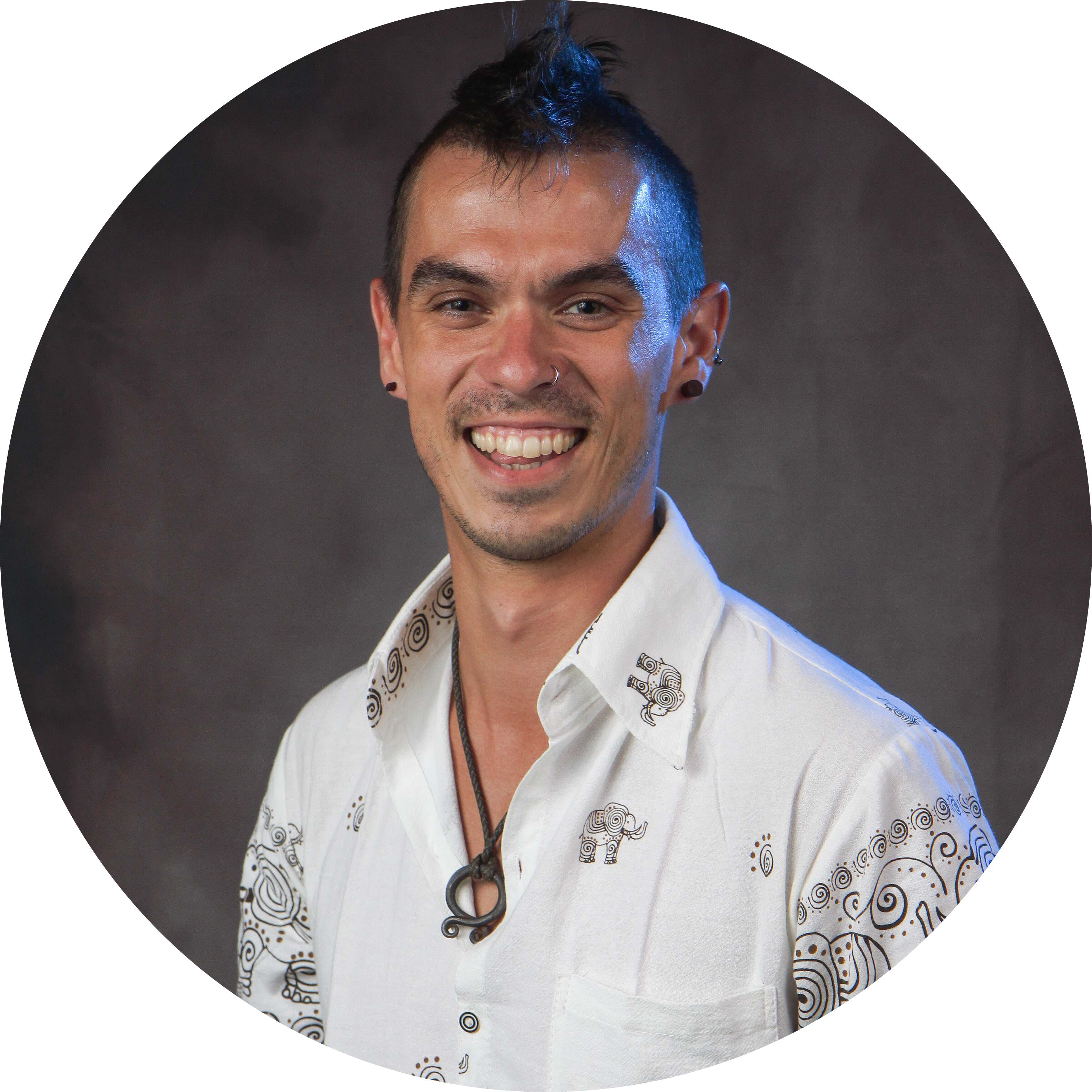
Adam Roberts
Counter-Wildlife Trafficking / Conservation Biologist / Wildlife Photographer, Self Navigating!
Dice alumni, Conservation Biology MSc.
Adam has been a global wildlife conservation practitioner in wildlife trade, a forager, ranger, field guide, and wildlife photographer for over 18 years. He has worked within Cambodia for 8 years with NGOs including the Wildlife Conservation Society, Jahoo, Elephant Valley Project, and Marine Conservation Cambodia. His writing, captures, and photo journalism has been shared by NatGeo, Disney, Traffic, and the IUCN. He focuses his photographic work on the unseen, wildlife trade, and environmental education, giving nature a voice not commonly heard. He hopes that his work inspires a different perspective on our human place within nature as its protectors, not living alongside it, but rather living as one and creating a better world to leave for future generations.
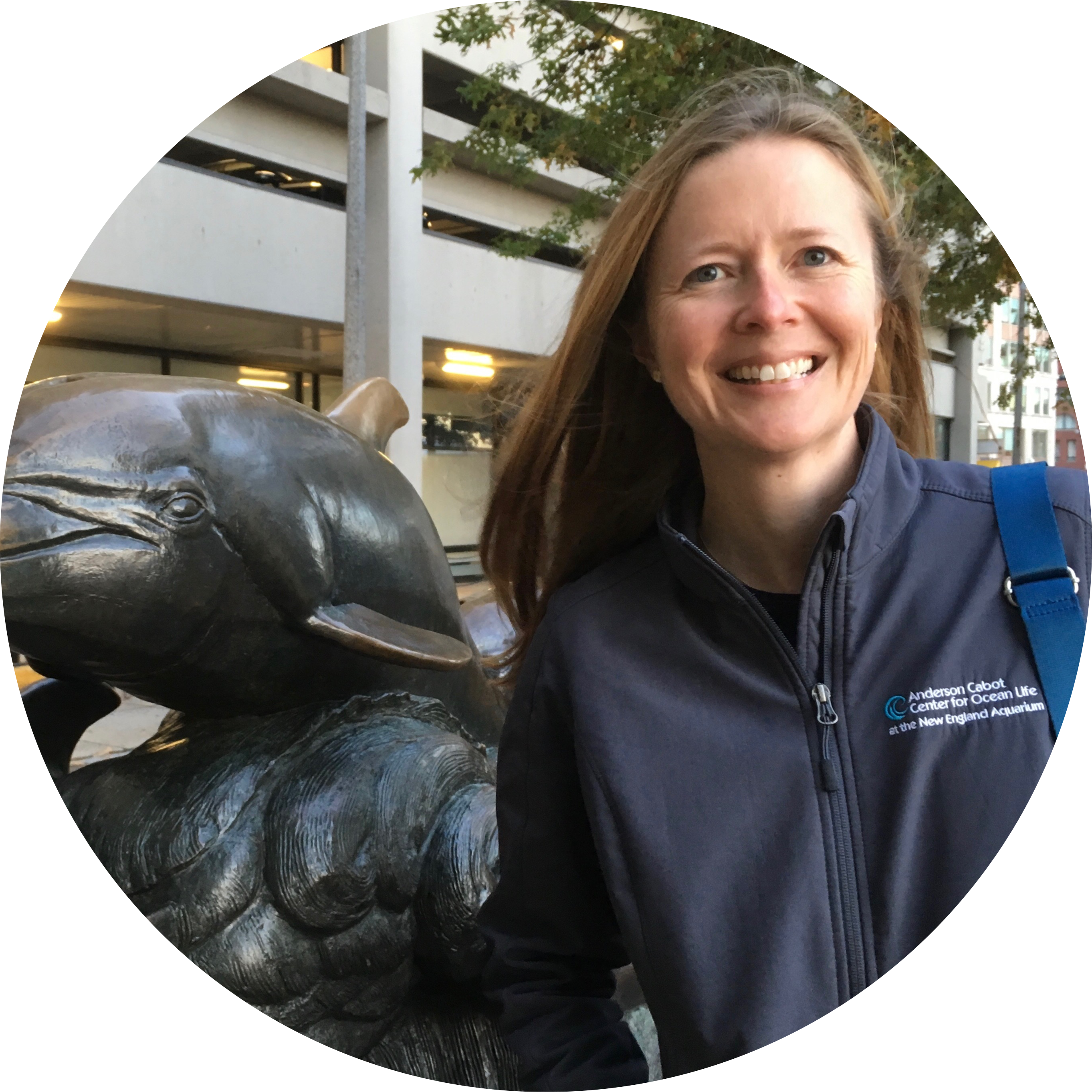
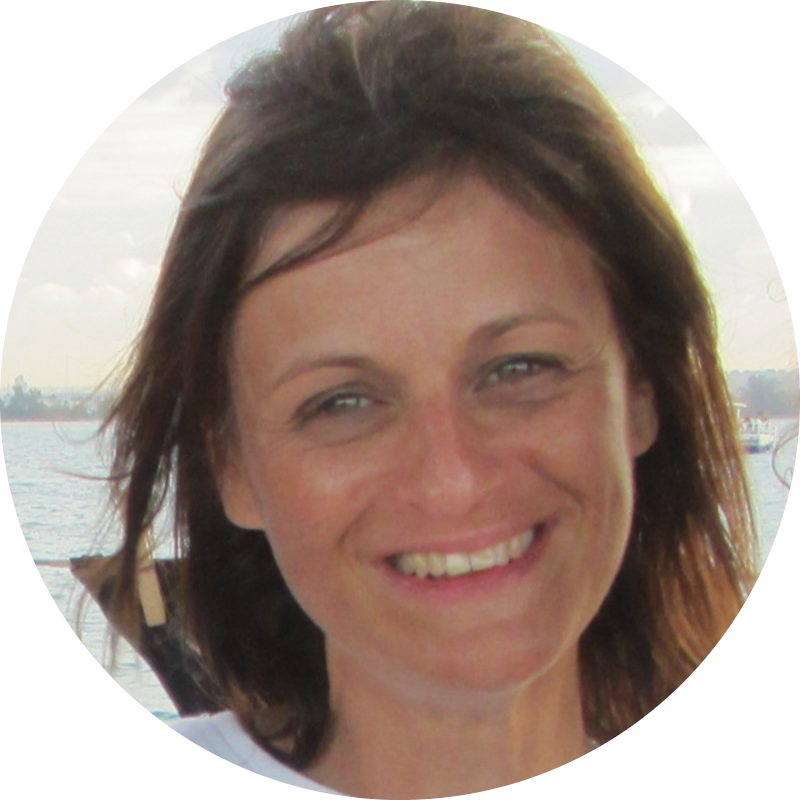

I have been working for the last 3 years with World Wide Fund for Nature (WWF)- India in the eastern Himalayas. My interests and research fall in an interdisciplinary field of ecology and social sciences. My interests are particularly in community based conservation approaches, understanding social-ecological systems and the role of Traditional ecological knowledge in conservation.
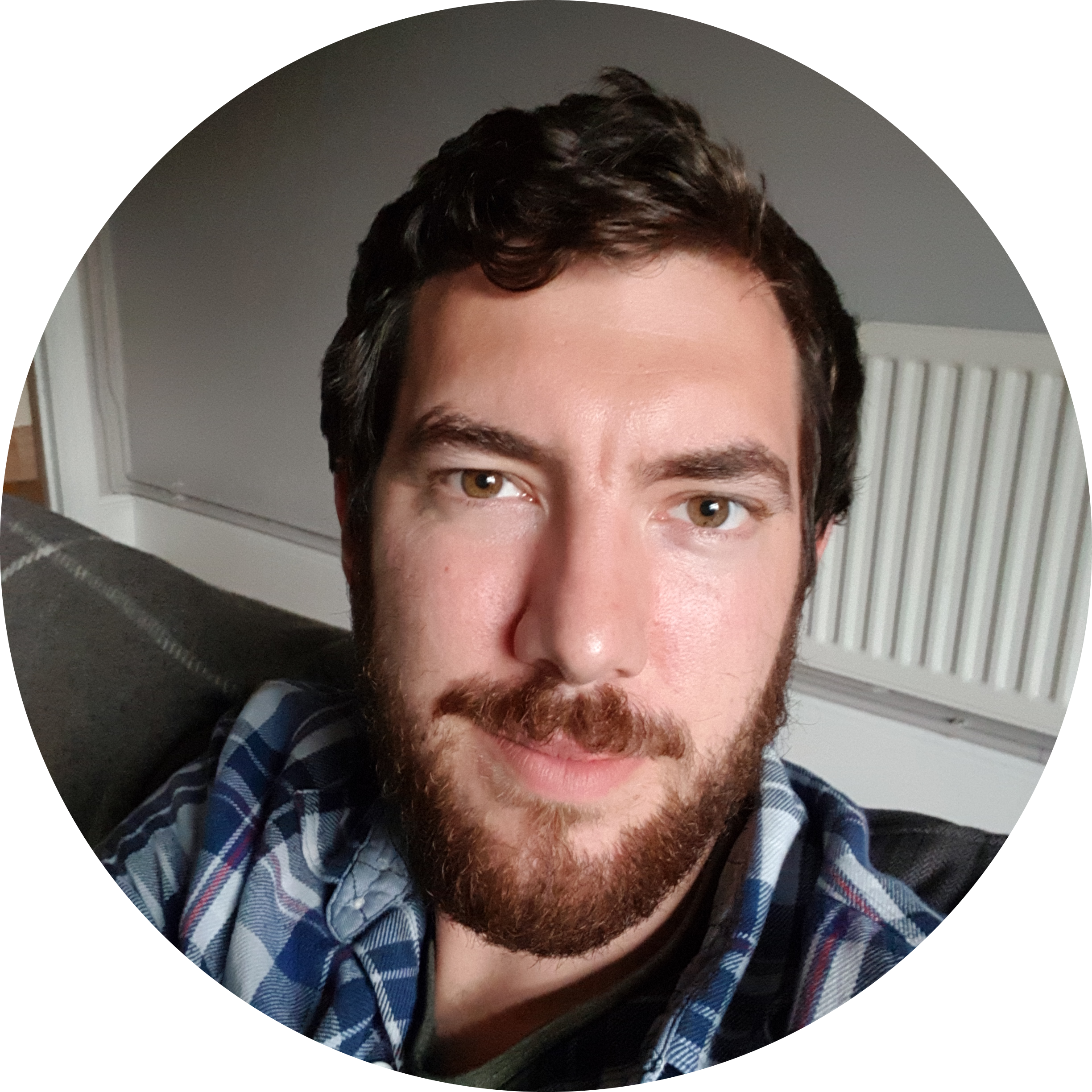


I`m ecologist, specialized in ornothology. In the last 10 years I`ve been working in several bird conservation projects in SE Europe, mostly in Bulgaria. My current job is focused on Red-breasted Goose comservation.
Studying BSc Applied Terrestrial and Marine Ecology and completing an internship with the Georgiev Primatology Lab, during which I am creating a comparative database for primate aggression and territoriality.