What is needed for a successful beekeeping business 🐝
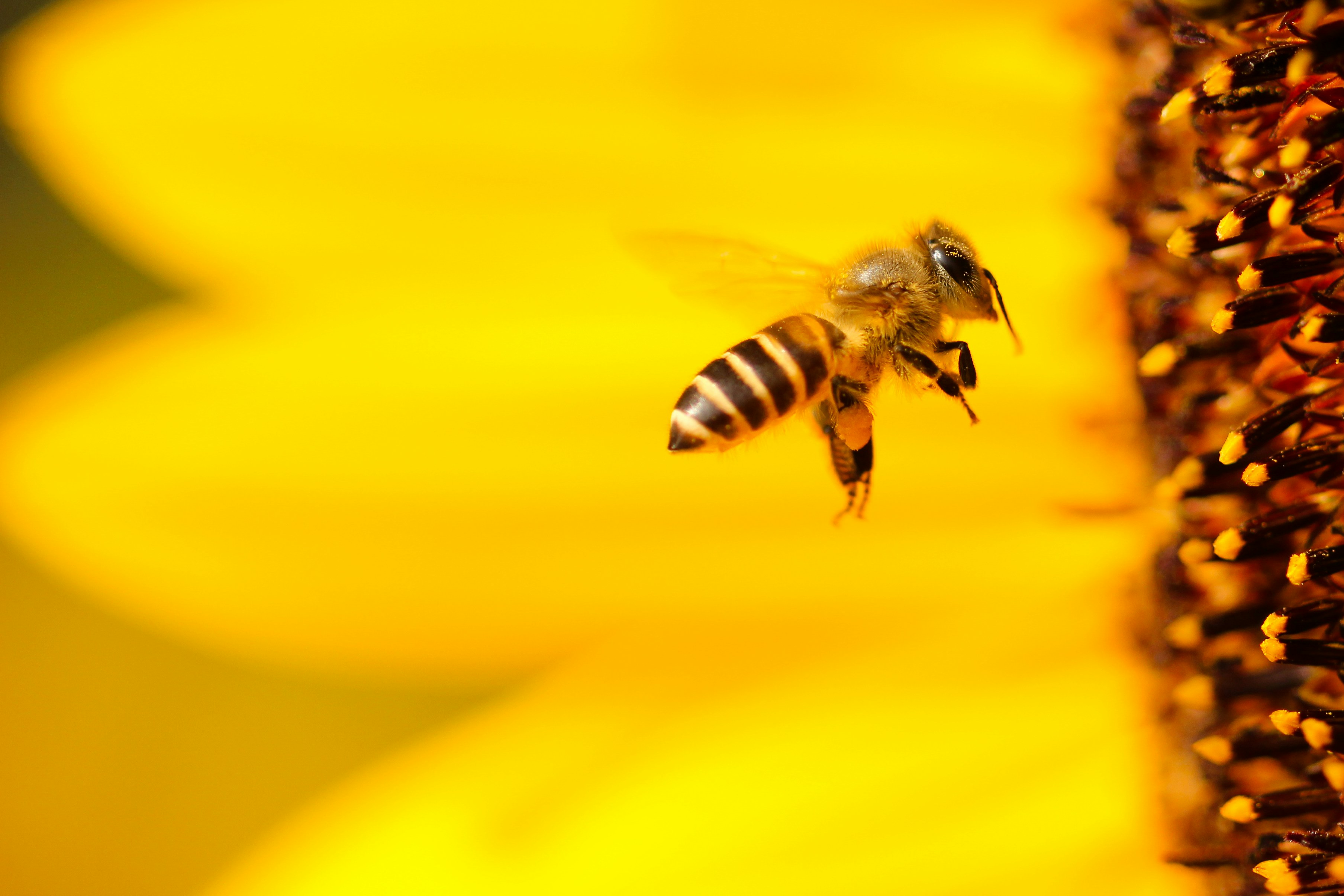


1.) Primarily, adequate land area free of human exploitation, such as logging, bush burning, and illegal occupation.
2.) a suitable habitat with enough flowering plants growing there for more preferably provenesses, such as Tetrapleura tetraptera, which flowers profusely in its season, Pentaclethra macrophylla, and many other indigenous species, I am talking about flowering plants that flower all year.In the absence of these native trees, the coconut plant can thrive since it flowers all year.As a result, all of these flowering plants in a well-protected ecosystem will provide a safe haven for bees to thrive. You must secure the property and verify that there are no pollutants in the region.
3.)since bees go to water, you can provide the necessary environment, in fact cultivating domestic animals on that area since the bee's activities would be influenced at the end of the day.Bees love waste, including animal waste such as urine and dung. Many people are unaware that bees enjoy eating rotting materials as well. If you have these and good water bodies, you can artificially create them, and the bees will flock there to drink and thrive.
4.) You will need proper boxes, such as the Langstroth imported bee hive, but you may also do this with native materials such as our earthen pot. You can also contact a carpenter to construct or fabricate boxes similar to the Langstroth imported commercially.
Once you have all of these in place, please ensure that chemical pollution, such as agro-chemicals, insecticides, and other discharges like gas flaring, bush burning, and other things that irritate and drive away bees, are avoided.
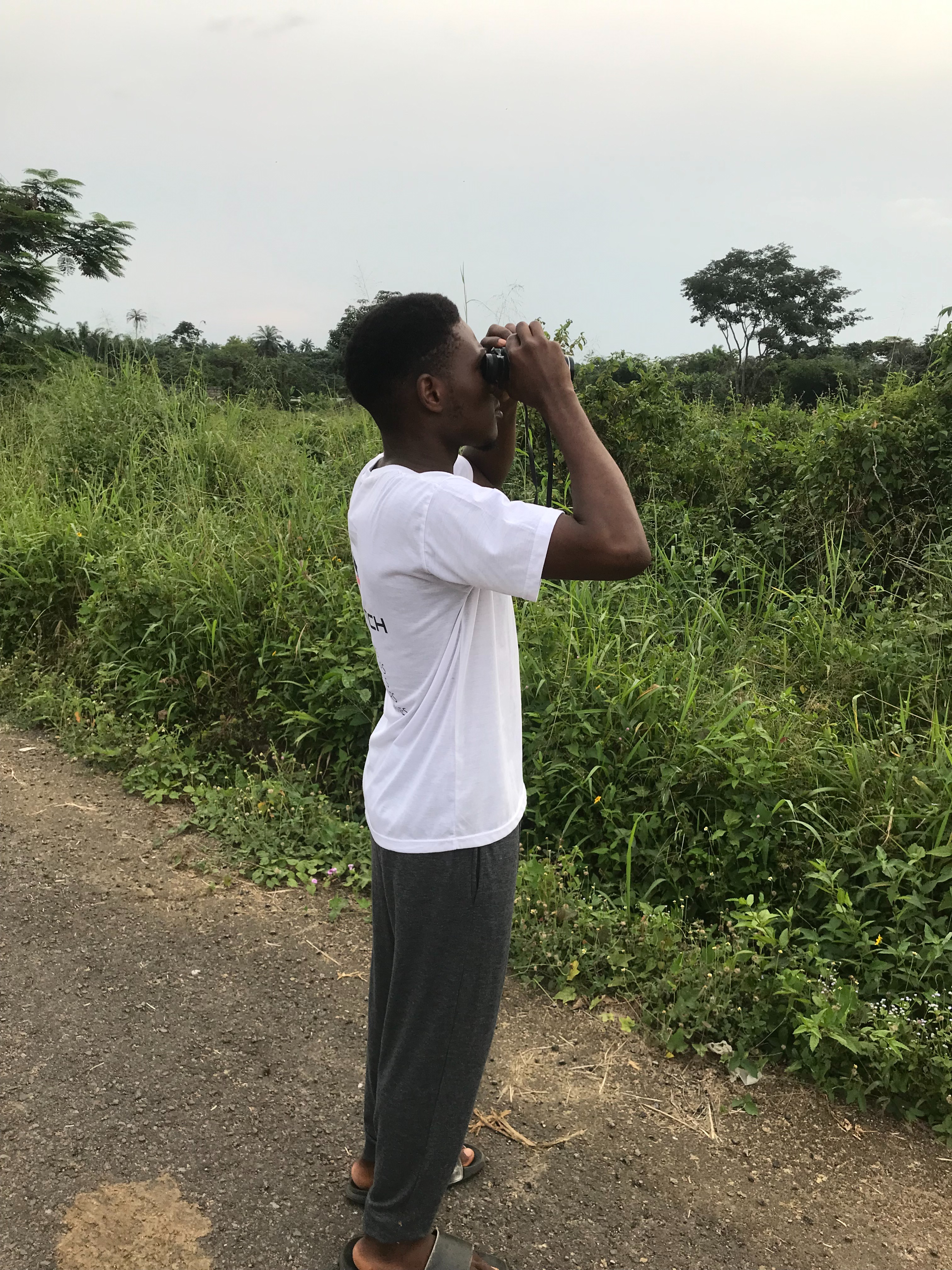
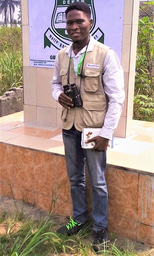
I am a graduate of Forestry and Environmental Management from Michael Okpara University of Agriculture, Umudike, Abia State, Nigeria, with a strong interest in wildlife conservation, biodiversity, ornithology, forestry, and environmental sustainability. I am passionate about understanding and protecting natural ecosystems and hope to build a career that combines field-based conservation, ecological research, environmental management, and community engagement.
My academic training provided me with foundational knowledge and practical experience in areas including forest management, wildlife ecology, biodiversity conservation, nursery management, seed technology, plantation establishment, environmental management, and ecological field surveys. These experiences have strengthened my interest in applying scientific knowledge to real-world environmental and conservation challenges.
I have gained additional practical exposure through participation in conservation and biodiversity initiatives, including the Nigerian Bird Atlas Project (NiBAP) under the A.P. Leventis Ornithological Research Institute (APLORI). I have also volunteered with the Biodiversity Preservation Center (BPC), Uyo, contributing to biodiversity awareness, environmental education, and conservation-related activities.
I am particularly interested in ornithology, wildlife monitoring, ecological research, habitat conservation, and technology in environmental management. My training in remote sensing and snakebite management has strengthened my field research and environmental monitoring skills. I also actively document biodiversity through wildlife observation, photography, plant cultivation, and bird monitoring and contribute to iNaturalist, where I continue to learn through citizen science and collaboration with naturalists globally.
I am open to cooperation, research, internships, fellowships, scholarships, training, and more academic possibilities as I start my career. Working with researchers, conservation groups, non-governmental organizations, academic institutions, and other groups that promote environmental sustainability and biodiversity conservation excites me.
I am currently looking for possibilities to obtain more experience, contribute to meaningful conservation work, further my professional development, and become a competent wildlife and environmental conservation specialist. 🦁🐍🦅🌳
Feel free to connect with me via the following platforms:
Twitter: Happiness Eniang
Facebook: Happiness Eniang