Highly experienced in supporting policy and decision making through delivering data on marine species, coastal pollution, and water delivery on the local, state, and federal levels. Early in my career I took every opportunity I could to gain experience in marine mammal science from California to Quebec. These opportunities created strong connections eventually guiding me to researching plastic pollution while earning my masters degree. As I finished writing my thesis, I began working with NASA on projects using satellite imagery and big data to investigate drought, this experience immensely strengthened my project management, mapping, and analytical skills. Last year I ventured into conservation writing wanting to build on my science communication skills. I would be happy to feature your project or career journey as a blog post within WildHub, so feel free to reach out to set up a short chat/interview.
Hi all! I am currently Fauna & Flora Internationals (FFIs) Senior Programme Manager for Conservation Capacity and Leadership. I have a lovely broad remit, but at its heart my job is to support FFI staff and partners strengthen skills in establishing, managing and supporting FFIs conservation work. I do this in lots of ways- designing and running training events, supporting the application of new skills/learning to peoples work, setting up mentoring relationships and peer to peer learning groups, organising exchange visits, work shadowing, master classes etc. We have a big focus on knowledge management in FFI, so don't just focus on how to bring in new knowledge and learning into our organisation, but how to share and apply all the incredible knowledge and skills our 400 strong team already have
I have an MSc in Environmental Technology and PhD in Anthropology from UCL where I specialised in human-environment interactions, with a stint as a Teaching Fellow in Human Ecology (maternity cover). Prior to joining FFI, I spent a number of years working in the Central African Republic to assess and improve the integration of conservation and development in the Dzanga-Sangha region, and following gorillas up and down volcanoes in Rwanda with the Dian Fossey Gorilla Fund International. Before joining FFI's Conservation Capacity team in 2013, I spent 5 years in FFI’s Africa team, co-ordinating and managing projects in Liberia, West Africa.
I also run the conservation workshop and networking platform '& another thing'. See details of our free upcoming workshops and events here - https://andanotherplace.wixsite.com/home
Amanda Mendonça Ferreira de Andrade e Silva
Wildlife Veterinarian, Savannah Medicina Veterinária
I am a problem solving and executive life coach accredited with the World Institute for Action Learning and the International Coach Federation. I have over 25 years of workplace experience in environmental science and management. I coach for the beauty of life, wonder of diversity and rewards of exploring.
Nguyen Van Kien
principal researcher, Vietnam National plant genebank - plant resources center (prc)
My work is serving plant genetic resources conservation and use intervention for food and agriculture development (PGRFA) in Vietnam. We design, develop, carry out platform and strategy, programs on PGRFA and relevant areas, including consultancy, training activities. Currently, we are trying to focus on diversity and evolution works of crop and wild crop relatives (CWRs)in the contexts of climate changes, nutrition and health styles and ecosystem services payments and environments as well as values series of culture, spirit and religions that plant genetic resources contribute to sustainable human social development against future challenges. I hope that we could exchange experience, idea and innovation to contribute in developing a better world. We are looking forward to hearing your feedback, support and cooperation soon
Affordable, flexible and sociable online learning in technical skills for conservation and open education. Support for virtual and hybrid conferences and events

Louisa Richmond-Coggan
Founder & Conservation Consultant, LRC Wildlife Conservation Consulting
Is your organisation's technology decision-making as structured as it needs to be? Conservation organisations face real pressure to adopt technology, often without a clear process for assessing whether it fits their context, capacity, and conservation goals.
The free Conservation Technology Decision Quiz takes five minutes. It scores your approach across three areas: Decision Clarity, Fit and Feasibility, and Delivery and Performance. Results include practical recommendations matched to your score, so you can see where your decision process is strong and what to address first. Start here: Technology Decision Quiz
I work with conservation organisations and funders on structured technology decision-making, the process that determines whether adoption actually works. Twenty-five years in conservation across the Global South. Technology-agnostic, no vendor affiliations.
If your team is navigating a technology decision, evaluating a pilot, or funding organisations that are, I'd welcome a conversation.
BACKGROUND
Dr. Louisa Richmond-Coggan. My career spans field-based ecology, international NGO and policy work, academic leadership, and conservation technology decision-making.
Field career: large carnivore ecology and human-wildlife coexistence research across Eastern and Southern Africa, including as Head of Ecology at the Cheetah Conservation Fund in Namibia. I led Namibia's National Leopard Census, a multi-stakeholder project whose results fed into national and international policy. I built the Carnivore Tracker app, the first of its kind in Namibia.
Institutional career: BirdLife International, UNEP-WCMC, TRAFFIC International, Earthwatch. Academic Dean at the School of Wildlife Conservation at the African Leadership University. Technology and innovation work with IUCN Tech4Nature, including leading three Innovation Challenge Workshops and contributing to the strategic guidance framework on conservation technology adoption.
The Navigating Web 3.0 Guide: A Tool for Conservation came out of that work. It is a decision-support tool that starts with your conservation goals and operational realities, not the technology. 34 guided questions assess which emerging technologies are worth exploring across four areas: data collection and management, resource allocation and financial management, collaboration and communication, and monitoring and evaluation. Now integrated into the IUCN GSAP SKILLS platform. This guide is where the decision-support work started, and it remains the clearest entry point into conservation technology decision-making for teams new to this field.
Research at the International Conservation Technology Conference, Lima in 2026 confirmed what I had been building toward: the gap in conservation technology is not the tools. It is the structured process for deciding whether, which, and how technology fits an organisation's context.
PhD, Nottingham Trent University. MSc Conservation Biology, Durrell Institute. Fellow of the Royal Geographical Society. IUCN WCPA Task Force on Human-Wildlife Coexistence. Member of the Nature Tech Collective and Top Tier Impact.
I have worked in field biology since 2013 with a focus on avian research, specifically wetland and coastal habitats. Most recently, I worked with Audubon Great Lakes to bring urban migratory bird monitoring to Grange Insurance Audubon Center. For several years, I worked with shorebirds and wading birds in Florida as the Avian Biologist with Rookery Bay Reserve. I have also presented multiple lectures for festivals or training courses such as the Florida Master Naturalist course and Rookery Bay's Festival of Birds. I currently reside in Central Ohio while staying active in national or international conservation programs such as Zoo Miami's Florida Flamingo Working Group to research American flamingo ecology or ResearchWild Inc's international internship research program.
Fátima D. Gigante
Program Coordinator / Coordinator, CoalitionWILD / Women in Nature Network (WiNN)
Interdisciplinary conservation professional. Consultant at the European Forest Institute and coordinator for CoalitionWILD 2022 Global Mentorship Programme. Passionate about the social dimensions of natural resource management, community-based conservation, participatory methodologies and human-wildlife conflicts.
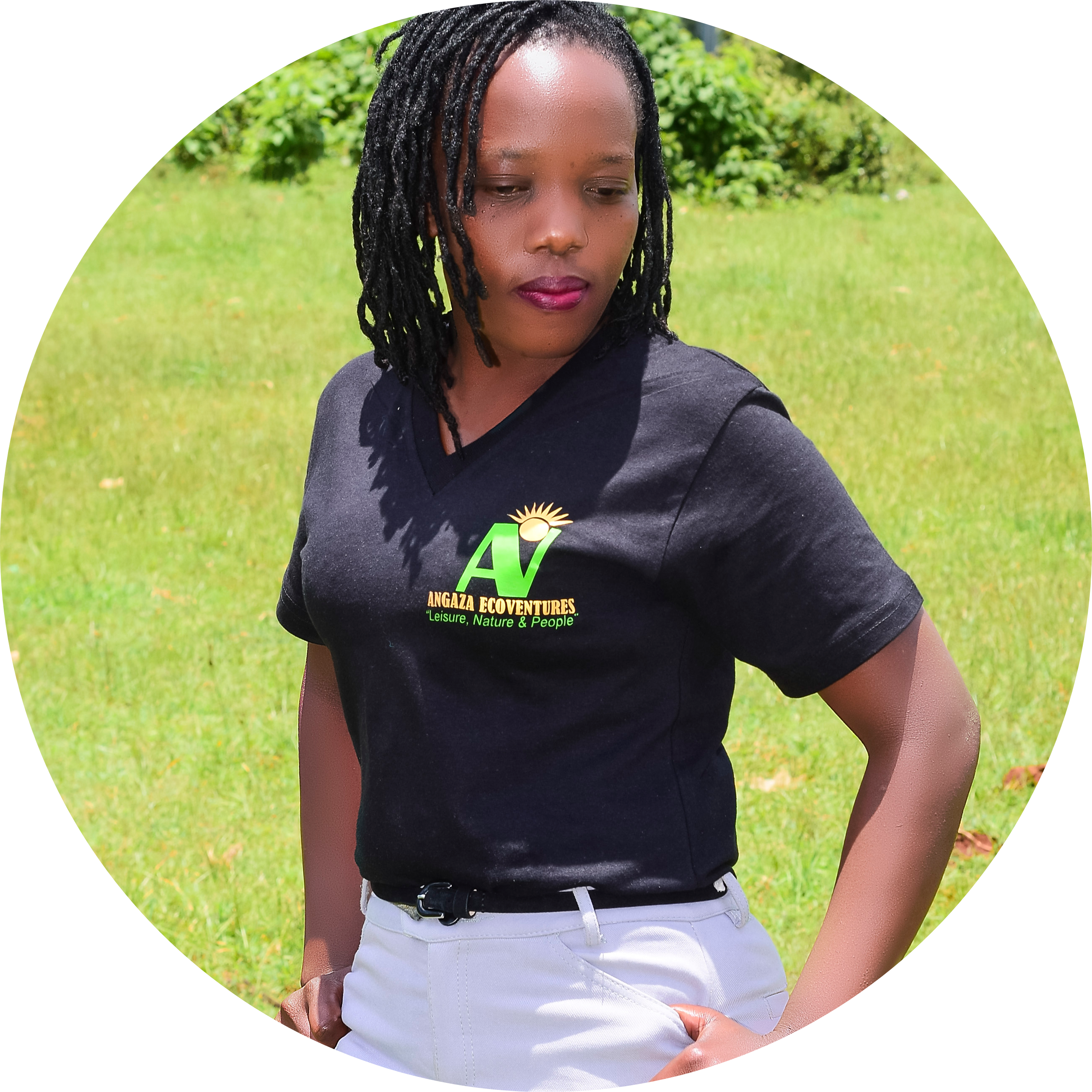
I am a wildlife ecologist based in Kenya specialized in community involvement in conservation practices.
José Luiz Esteves works professionally through EXPONENTIALIS
Learning and Education Projects and INTELIBUSINESS, a Social
Responsibility and Corporate Sustainability Consulting venture, created in Belo Horizonte in 2006. He has relevant experience in different Triple Helix organizations in Brazil, in management positions. Professional with knowledge of the business environment, social
responsibility / third sector, and education in Brazil and Latin America,
especially in the aspects of institutional management, market intelligence, network development, has a degree in social communication and public administration. He obtained his specialization, masters, and a doctorate in these areas, and the international diploma GUDS / Urban Management and
Sustainable Development (by the World Bank / UN-ECLAC / MINURVI /
Italian Coop) In 2001. Has a solid background in Social Program
Management, Strategic Planning, BSC, Participatory Appraisal, Project
Logical Framework, Resource Mobilization, and Fundraising (by The Resource Alliance) held in Brazil and abroad.
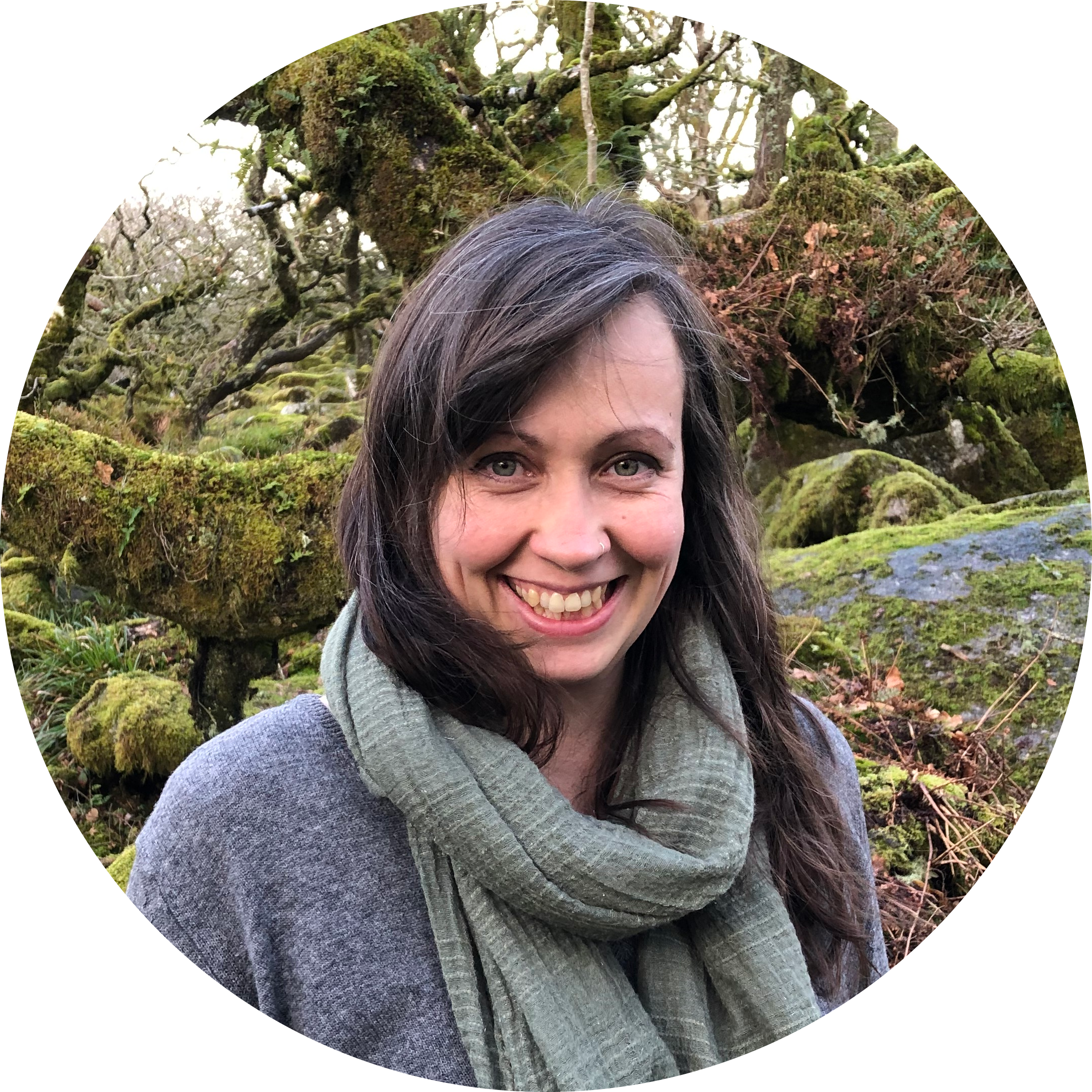
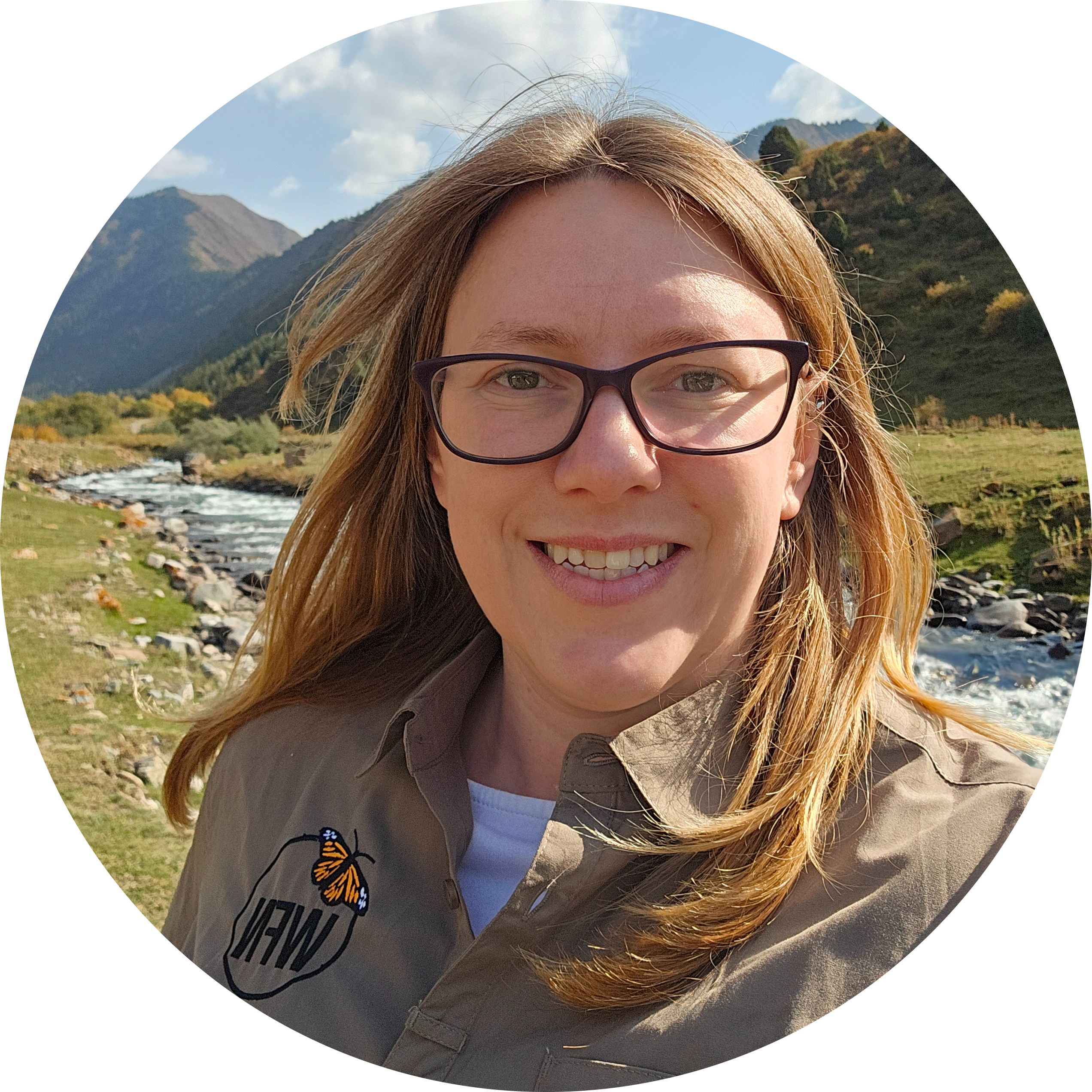
I lead Whitley Fund for Nature's grants programme. We support a growing network of over 200 grassroots conservationists globally with access to funding, connections and publicity. Previous to this role, I worked for Galapagos Conservation Trust for over seven years across project management and operations/finance. I hold an MSc in Conservation Science from Imperial College London. I am passionate about habitat restoration, the conservation of endemic species and inspiring the next generation of conservation leaders.
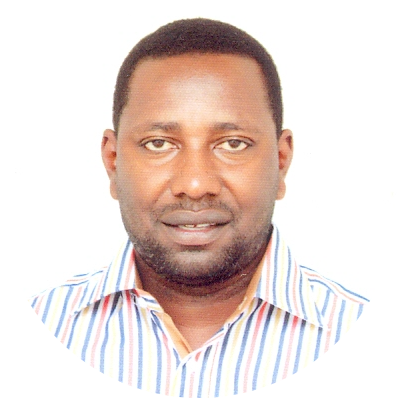
David Kabambo is the founder and Executive Director of Peace for Conservation (PFC ) and holds a B. A. degree in Social Work, a Postgraduate Diploma in Wildlife Management, and is presently working towards a Master’s degree in Natural Resource Management and Assessment.
David has a particular skill-set in supporting the transformation of people’s understanding and viewpoints regarding the benefits of conservation. He has had real impacts at the grassroots level, working with bush meat poachers, for alternative livelihoods such as wildlife conservation educators. He has developed and implemented a highly successful employment schemes whereby former poachers a recruited as community conservation educator, they visit at schools and local communities to advocate wildlife conservation, the wider benefits to Tanzania’s national income (for example eco-tourism) and provide real-life testimonials regarding the negative impacts of the bush-meat trade.
Since 2016, David has donated 47 tricycles to disabled person greatly increasing their comfort and ability to lead normal lives. He has set himself a goal of donating 100 tricycles by 2025. He is keen that local disabled person do not miss out on experiencing local wildlife, such as the magical ‘Big Five’ and has arranged dedicated tours to the Serengeti. National park .He also feels that these persons living close to protected areas in the Serengeti ecosystem have a vital and active role as ambassadors for wildlife conservation.
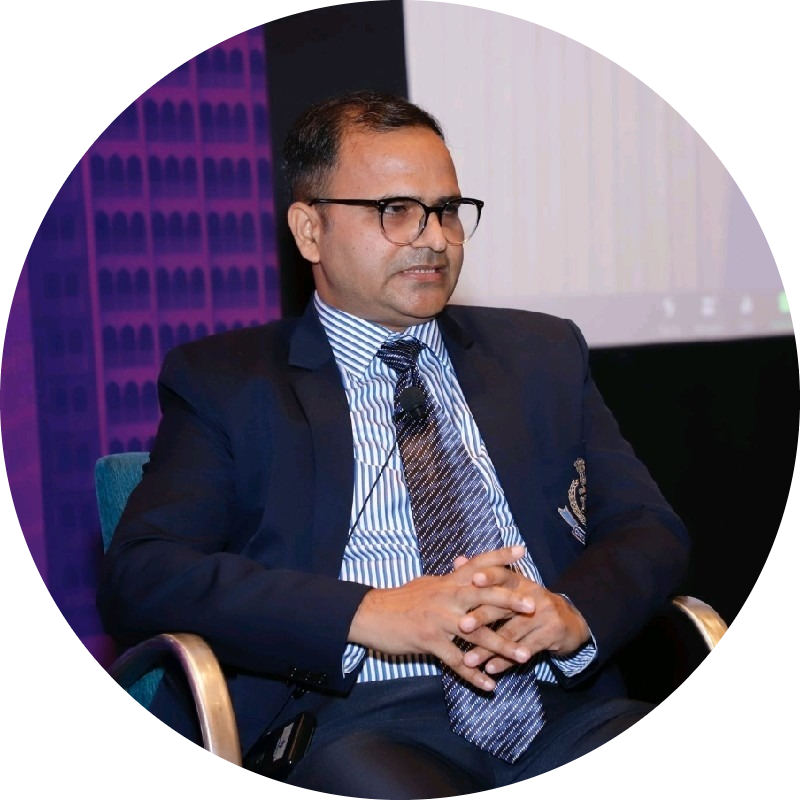
Arvind Kumar Chaurasia
Indian Revenue Service, Central Board of Indirect Taxes & Customs (CBIC)
I am an Indian Revenue Service (Customs & Indirect Taxes) officer with vast experience of law enforcement especially in tackling transnational smuggling including willdife trafficking. Also, as an expert I have been conducting sessions on various aspects of wildlife crimes and its convergence with other serious crimes, legal and enforcement framework to counter it, wildlife cyber crime, OSINT for combating wildlife crime, combating money laundering associated with wildlife crime, CITES, role of Customs in tackling the menace of wildlife crime, Digital Forensics etc. for forest, police, customs and other enforcement agencies' officials.
Alan J. Hesse
Senior Behaviour Change Specialist (TRAFFIC); also independent author-illustrator and climate educator.., TRAFFIC International
My conservation career started in 1992 when I helped set up and joined a University expedition to the Bolivian Amazon. What started out as a 3-month experience ended up being a life-changing inflection point that set my professional and personal course to the present day. My conservation experience was built bottom-up and hands-on, and includes field data collection and logistics, grassroots organization leadership and project management, community engagement and capacity building, M&E, training and behavior change, and lately climate education through authorship of graphic novels and other resources. My conservation career includes positions as a senior staff member and a principal investigator at the Bolivian BirdLife Partner Armonía, field investigator in the Gran Chaco with WCS Bolivia, field logistics officer for Conservation International's RAP expeditions, and Programme Manager and Senior Manager of M&E at Rare. I currently work as Senior Behaviour Change Specialist with TRAFFIC International, applying behavioural science approaches to support TRAFFIC's work across wildlife supply chains globally.