Conservation Creator: David Kabambo



David Kabambo is the Founder and Executive Director of Peace for Conservation (PFC), a non-profit NGO based in Tanzania East Africa that operates at both a grassroots and national level. PFC's goals are to conserve wildlife, improve community health and alleviate poverty. David holds a B. A. degree in Social Work, a Postgraduate Diploma in Wildlife Management, and is presently working towards a Master’s degree in Natural Resource Management and Assessment.
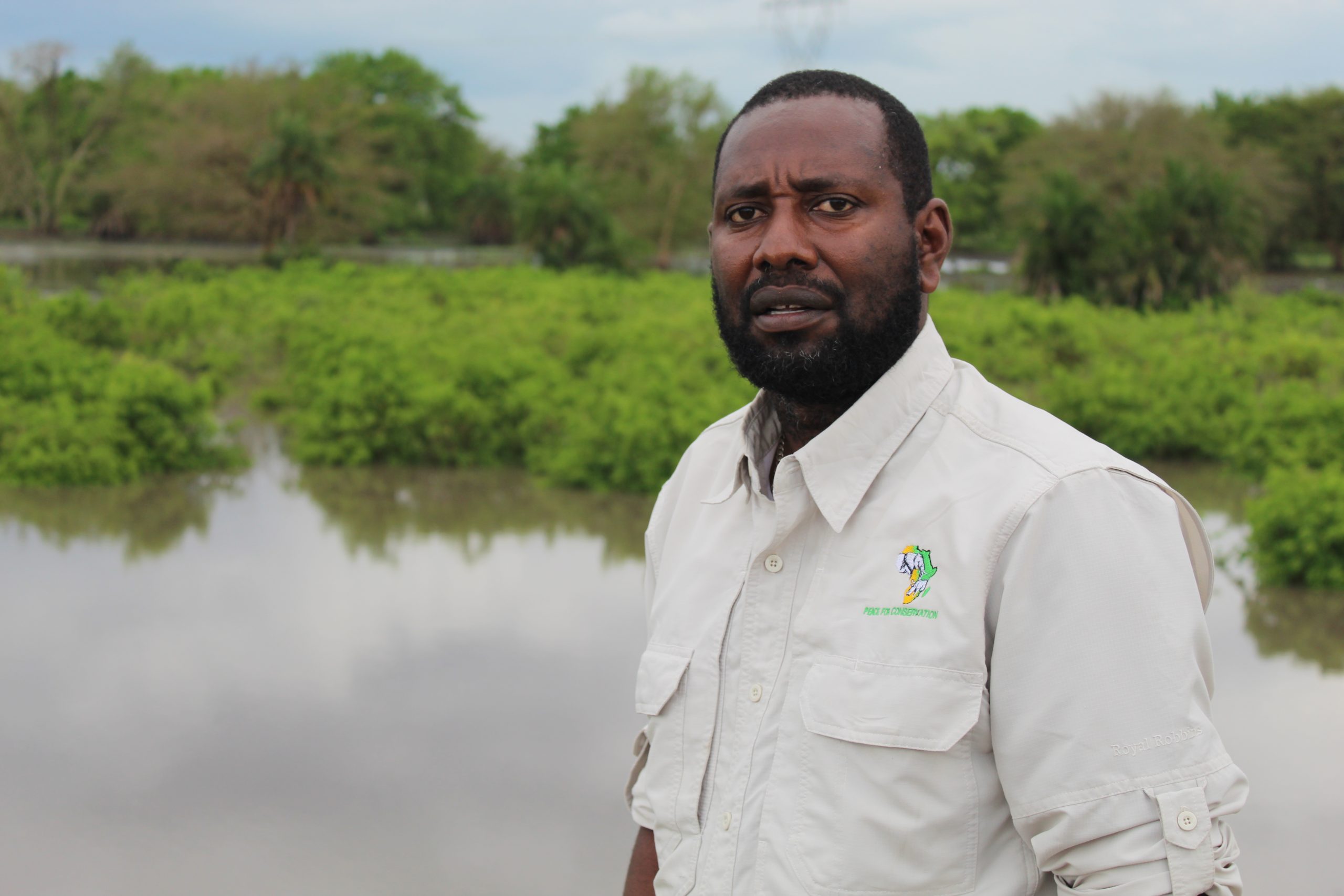 |
David joined the WildHub community in February 2022. Straight away, he started sharing his innovative work around PFC's Tanzania Wheel Chair Project, which includes gatherings for wheelchair and tricycle users to visit National Parks and view wildlife. David kept our community up-to-date with the work of his organisation, including their annual anti-poaching event, "Dance for Conservation", held outside the Serengeti National Park in the community near Lamadi. |
This event builds on traditional dance as an integral part of the Sukuma tribe's community life and culture. The dances performed aim to share messaging around environmental issues, including the call to stop wildlife poaching.
As part of their Conservation curriculum and youth mentorship, Peace for Conservation also facilitates opportunities for youth to interview key players in conservation. These opportunities provide a creative space for youth to tell their story and vision for a sustainable, environmentally and socially just future, though writing, photography, and video. David shared several interviews which Miss Janet Mkami conducted, including her conversations with ex-poachers, and park rangers, and with the Deputy Minister of Natural Resource and Tourism in Tanzania, Mary Masanja, about the role of African women in Environmental & wildlife conservation. In sharing all these resources and lessons learned based on this work experiences, David has actively contributed to our community's goal of exchanging information to help other conservationists in their work.
| Through this post, I would like to celebrate David’ contribution to WildHub and his achievement of becoming a WildHub Key Creator, please add a note of support/ congrats below this post in the comment section. I also connected with David to ask him about this journey as a new WildHub member. Read below which advice he shared for other members who would like to become a WildHub Core Community Member. |  |
Thirza: “What benefits have you found from being a WildHub member?”
David: "The benefits I found on this platform was to network with different people and discuss conservation issues across the globe. Another benefit I experienced was sharing videos with the goal to empower youth to tell their own wildlife conservation and social stories through media."
Thirza: “What helped you to contribute content on a regular basis and therefore helped you become a WildHub Core Community Member?”
David: "I am highly motivated to share my conservation (education) experience and challenges I encounter with other conservationists. This motivation helped me share content on a regular basis with our global WildHub community."
Thirza: “Which barriers have you experienced to contributing content to WildHub on a regular basis?”
There are no barriers that I experienced; we need to promote the platform across the global conservation community and invite other people. By including people from within academia and NGOs who are linked to the conservation field we can obtain a wide breadth of knowledge from different perspectives." (David Kabambo, Founder & Executive Director, Peace for Conservation, Tanzania).
Thirza: “What advice would you give to other members who would like to become a WildHub Core Community Member?”
David: "To use a different methods to delivering conservation information, conservation challenges and how to overcome such challenges. In general, working as a team is a key to achieve a goal. Our organisation uses different methods such as dance for conservation, comedy for conservation and soccer for conservation to deliver conservation information to different groups of people."
Have you benefited from David’s lessons learned and resources? Follow him on WildHub (profile here) and add how his contributions have made a difference to you in the comment section below. For more information on Peace for Conservation's project, check their website here.
My background is mainly in species conservation, education and capacity exchange. I researched mother-young interactions in gorillas and chimpanzees, in captivity and the wild. After that, I worked for three years in Indonesia, where I developed and implemented youth ambassador and community engagement programmes on local and regional scales. I co-founded WildHub, a community of nature conservation professionals, in 2020 and work as their Community Lead. I am furthermore on the Advisory Board of the Durrell Institute of Conservation and Ecology (DICE) at the University of Kent where I obtained my PhD on capacity development for conservation in 2022.